
Hong Kong Steel Container House
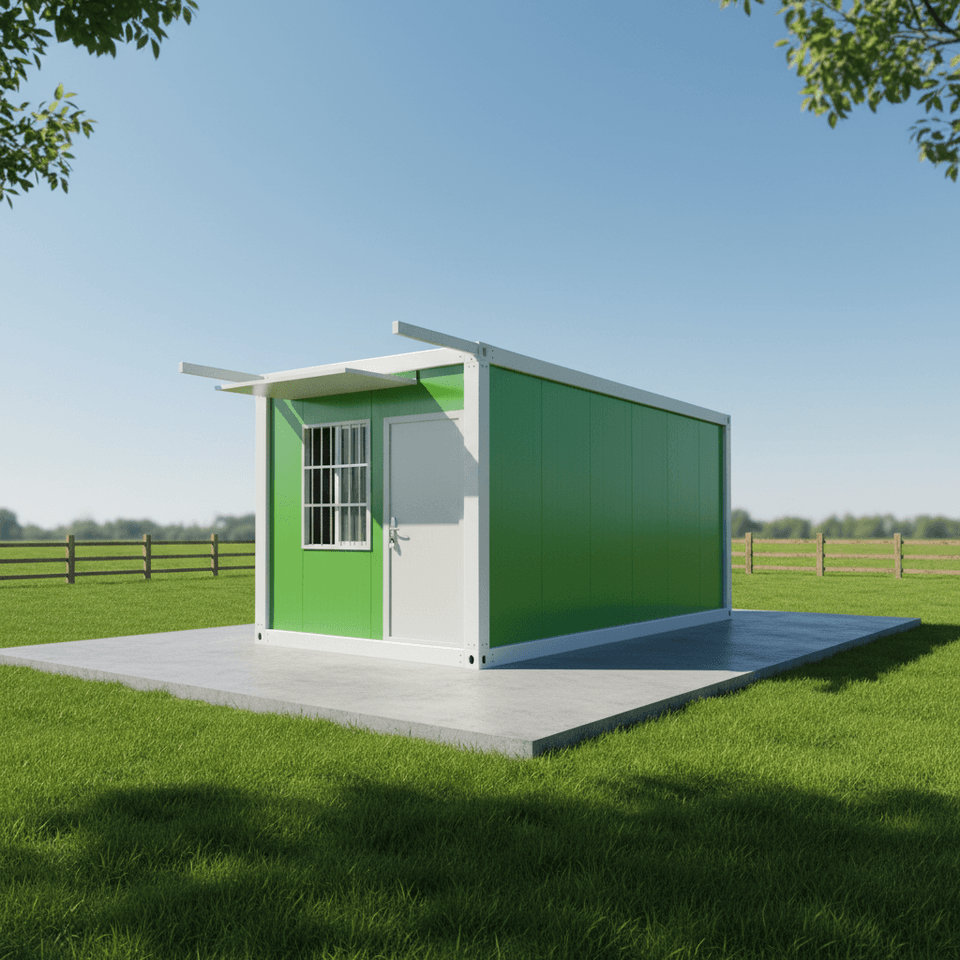
The Hong Kong steel container house is a temporary or transitional building constructed with a steel structure as the main body, combined with various functional modules, and using factory prefabrication and on-site rapid assembly methods. It features environmental protection, high efficiency, and flexibility, and is widely used in areas such as public housing transitions, commercial offices, and isolation facilities.
I. Core Structure and Materials
The Hong Kong steel container house takes a steel structural frame as its main body and combines systems such as thermal insulation, water and electricity, fire protection, sound insulation, and energy conservation to form an integrated building module. In terms of materials, galvanized steel or weathering steel are mostly used, which are more corrosion-resistant than ordinary steel. Some high-end products use thickened sandwich panels to enhance thermal insulation performance. For example, the CIMC modular building system integrates structural, electromechanical, decoration, and smart systems, with over 90% of the processes completed in the factory to ensure stable quality.
II. Functions and Application Scenarios
Transitional Housing
The Hong Kong government promotes the application of steel container houses in the public housing sector through the "Modular Integrated Construction (MiC) method." For example, the Simple Public Housing SS M518 Project undertaken by China Construction Science and Engineering Corporation adopts a full-steel structural modular high-rise system, providing approximately 2,100 residential units equipped with open kitchens, independent bathrooms, and other facilities to meet the needs of grassroots families. CIMC Group's Ma On Shan Lok Wo Sha Lei Project in Hong Kong is configured with 436 transitional housing units, expected to benefit 1,200 citizens.Commercial and Office Use
Due to their rapid deployment and mobility, steel container houses are used in commercial streets, convenience stores, scenic area offices, and other scenarios. For example, the Dongguan-Shenzhen-Hong Kong container house shop project offers a 7-day replacement and 48-hour delivery service, suitable for temporary commercial needs.Emergency Isolation Facilities
During the pandemic, enterprises such as Guangdong Hailong Construction Technology produced 300 steel structural modules per day through modular production lines to quickly build community isolation facilities. Projects in Kai Tak and Chuk Kwan Wan plots were designed according to permanent building standards and can be converted into transitional housing after the pandemic.
III. Technological Advantages and Policy Support
High Efficiency and Environmental Protection
The factory prefabrication model shortens the construction time by 50% and reduces construction waste by more than 50%, aligning with Hong Kong's sustainable development goals. For example, CIMC modular buildings transport modules via sea-land combined transportation and can be occupied immediately after on-site hoisting, significantly improving efficiency.Policy Promotion
The Hong Kong government has established the Construction Industry Innovation and Technology Fund to encourage the application of modular buildings. The Buildings Department has set up a pre-approval mechanism to strictly regulate the structure, design, and production processes of suppliers to ensure quality and safety.
IV. Market and Pricing
The price of Hong Kong steel container houses is influenced by materials, size, and functions. For example, container houses with air conditioning are more expensive, and galvanized steel materials are more costly than ordinary steel. The market offers transparent quotation services and can customize details according to needs to avoid additional charges.



