Hong Kong Public Mobile Toilets
Hong Kong public mobile toilets offer various advantages, features, and configuration requirements for specific scenarios.

I. Structural and Material Advantages
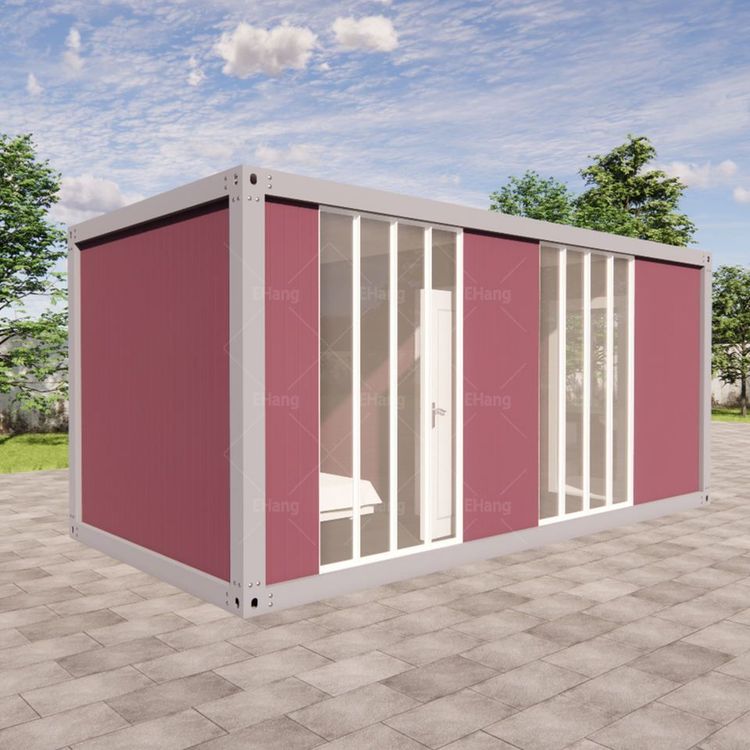
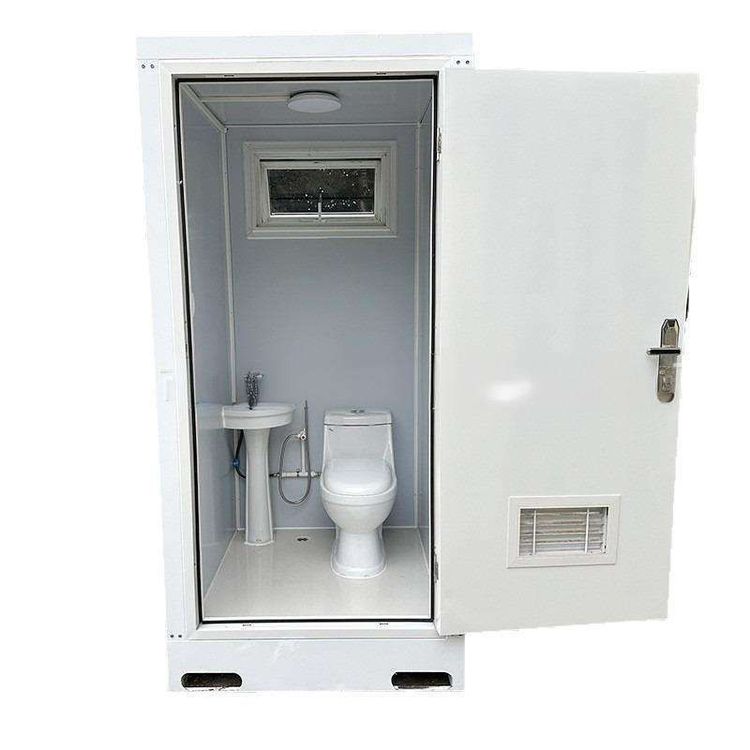
Hong Kong mobile toilets utilize a steel-welded frame structure, reinforced at the bottom with channel steel or I-beams, and square steel columns to ensure overall stability. The wall materials are diverse, including color-coated steel plates, fiberglass-reinforced plastics, stainless steel, and metal carved panels, balancing durability and aesthetics. The outer roof employs high-quality waterproof materials, while the inner roof offers options like PVC ceiling panels or aluminum alloy扣板 (扣板 can be translated as 'buckle panels' or 'snap-in panels' for clarity, but here we keep the term as it's a specific product name). The floor provides options of concrete slabs and hard flooring to suit different environmental needs.
II. Functional and Configuration Features
- High mobility: Avoids resource waste caused by house demolitions, suitable for temporary events or long-term flexible deployments.
- Flexible disposal methods: Depending on environmental constraints, options include water-flush direct discharge or waterless packaging for sewage disposal, reducing reliance on infrastructure.
- High space efficiency: Significantly smaller footprint compared to traditional toilets, ideal for areas with limited land resources.
- Customizable configurations: The ventilation system supports natural ventilation, exhaust fans, or hollow direct discharge; the power supply is equipped with energy-saving lights, concealed wiring, and multiple types of sockets; maintenance is simple, with a normal service life of 8-10 years, reusable after painting, and a after-sales service that resolves issues within 3 days.
III. Barrier-Free Configurations for Major Events
In scenarios like the Paralympic Games, mobile toilets must meet special needs:
- Barrier-free access: Spacious interiors allow wheelchairs to move freely, equipped with handrails and emergency call buttons.
- Hygiene and safety: High frequency of cleaning and disinfection, with non-slip floor designs to reduce accident risks.
- Scientific distribution: Plan the quantity and location based on regional demands to avoid queues and improve usage efficiency.
IV. Future Development Trends
Mobile toilets will upgrade towards intelligence, such as monitoring usage status through sensors, dispatching cleaning staff in real-time, and optimizing maintenance processes. Additionally, Hong Kong continues to invest in improving public toilet facilities, such as increasing female toilet stalls, providing free toilet paper, designing humanized details (like orchid decorations on sinks, publicizing hygiene standards), with some public toilets even becoming tourist attractions.