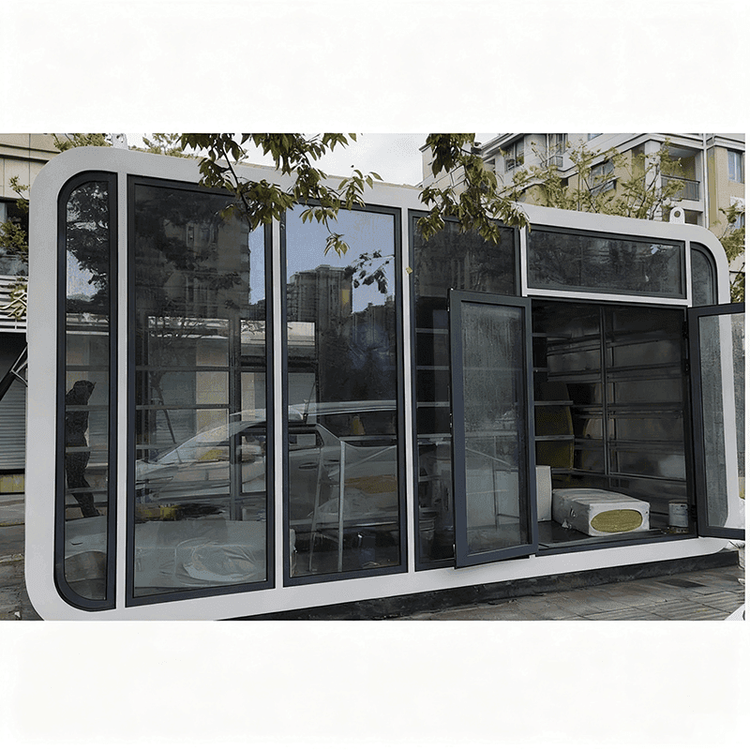
Homemade Mobile Camping Toilet Tent
A homemade mobile camping toilet tent can be achieved through either simple construction or the direct use of a lightweight ready-made product. Here are the specific methods:

I. Simple Construction Method (Using Natural Materials)
Frame Construction Select two sturdy branches or camping poles with a diameter of 3-5 cm. Insert them crosswise into the ground to form an 'X'-shaped support, with the intersection point about 1.5 meters above the ground (adjustable according to the user's height). At a point 30 cm above the intersection, horizontally bind a crossbar with a diameter of 2-3 cm as the top support. If the ground is soft, insert the poles deeper or secure the bottom with stones to ensure stability.
Enclosure Setup Use a large waterproof tarp or rainproof cloth with an area of no less than 3 square meters (preferably made of polyethylene with a thickness of ≥0.2 mm). Bind the four corners of the cloth to the four ends of the support frame to form a four-sided enclosure. The bottom should be pressed down with stones or heavy objects to prevent air leakage or the cloth from being blown upwards. For enhanced privacy, a dark light-blocking cloth can be hung on the inside of the main cloth.
Internal Configuration Place a portable bucket with a lid (recommended capacity of 10-15 liters). Pre-line the bucket with double-layer garbage bags and sprinkle in a 2-3 cm layer of cat litter or specialized decomposition powder (such as bio-enzyme deodorizer). After each use, immediately sprinkle in 1-2 scoops of decomposition powder and close the lid tightly to control odors through a combination of physical adsorption and microbial decomposition.
II. Ready-Made Lightweight Tent Method (Recommended for Beginners)
Tent Selection Purchase a toilet tent specifically designed for camping. Prioritize models with breathable windows, a waterproof bottom layer (PU coating ≥2000mm), and built-in hooks (for hanging portable toilets or toilet bags). The folded size should be less than 50cm×30cm×20cm and weigh no more than 3kg for easy portability.
Internal Arrangement After unfolding the tent, place a foldable toilet (such as a plastic toilet with a sealing ring) or a disposable toilet bag (containing absorbent gel) in the center of the tent. If using a toilet bag, pair it with a rigid base (such as a foldable plastic board) to prevent rupture. A small deodorizing bag (containing activated carbon or bamboo charcoal) can be hung inside the tent for further air purification.
Usage Guidelines Solid waste should be sealed in double-layer garbage bags and stored separately. Liquid waste is recommended to be collected using a specialized urine bag (containing a coagulant). After each use, wipe the toilet surface with disinfectant wipes. The tent door should be kept half-open for ventilation, but avoid direct exposure to strong winds.
Precautions:
- The simple construction method requires regular inspection of the support frame's stability. Reinforce or dismantle it in windy weather.
- Decomposition powder should be replenished according to usage frequency, with increased amounts needed in humid environments.
- The ready-made tent should be kept away from sharp objects and thoroughly dried before storage to prevent mildew.