
Homemade Antique Wooden Mobile Toilet
The homemade antique wooden mobile toilet requires the integration of structural functional design and classical craftsmanship, achieving a unified approach to environmental protection, mobility, and aesthetics through modular design.
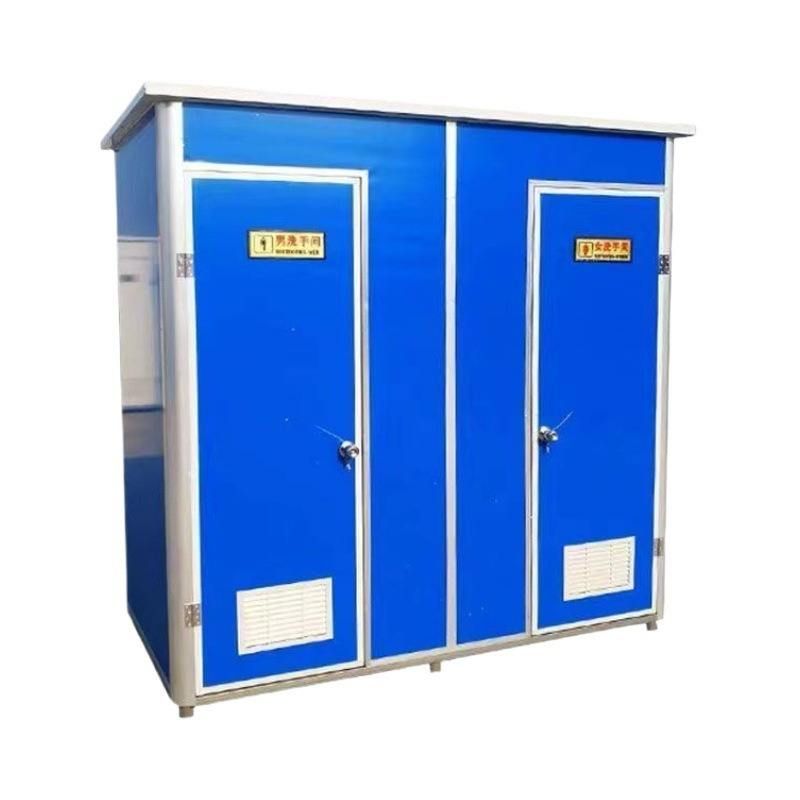
1. Basic Structure and Mobility Design
The main frame of the toilet is constructed using a wooden plank拼接 (spliced) structure, with the floor, walls, partitions, and ceiling all made up of multiple spliced wooden planks to ensure structural stability and ease of assembly and disassembly. High-load-bearing casters are installed at the bottom, paired with adjustable-height towing arms to enable manual or mechanical towing for mobility, catering to the needs of tourist attractions, temporary gatherings, and other scenarios. Additionally, mortise-and-tenon joints or metal connectors are used at the spliced joints to enhance overall resistance to deformation and extend service life.
2. Integrated Environmentally Friendly Sewage Disposal System
The sewage disposal system must balance water conservation and hygiene, referencing a dual-mode design of "residue storage tank + flushing/foaming liquid". The residue storage tank employs a sealed and leak-proof structure, with built-in biodegradable bacteria to accelerate fecal decomposition and reduce odors; the flushing system can be connected to a small water tank, with water volume controlled by a foot pump or sensor device; the foaming liquid system covers the toilet surface with foam to isolate odors and reduce flushing water volume. For a completely waterless solution, a packing-type toilet can be substituted, using biodegradable plastic bags for fecal collection.
3. Solar Power Supply System Configuration
A solar power supply module is integrated to address power needs in off-grid scenarios. Solar panels are installed on the sloped ceiling, with the tilt angle optimized according to local latitude to enhance power generation efficiency; deep-cycle lead-acid batteries or lithium batteries are selected for energy storage to supply power for nighttime lighting, exhaust fans, and other devices; an inverter converts direct current to alternating current, compatible with conventional appliances. The system is equipped with a power monitoring device to prevent over-discharge, while USB ports are reserved for charging mobile phones and other devices.
4. Antique Craftsmanship and Detail Design
Classical elements are incorporated into the appearance and functional modules:
- Toilet Design: Drawing inspiration from vintage wooden toilets, thick solid wood (such as oak or teak) is selected and manually hollowed out for the toilet bowl, with a carbonized finish or application of eco-friendly wood wax oil to present an antique texture; decorative patterns can be carved along the edges of the toilet bowl to enhance artistry.
- Decorative Details: "Fish scale" or "meander" decorative strips are used at the spliced joints of the wall wooden planks, with wooden carved eaves added along the ceiling edges; louvered wooden grilles are installed on doors and windows for ventilation while maintaining a classical style.
- Functional Accessories: The toilet stool is designed according to ergonomic height (approximately 40-45cm) and equipped with anti-slip foot pads; the door lock features a copper vintage pull handle, with hidden hinges to maintain a clean appearance.
5. Safety and Maintenance Considerations
The structure must comply with building safety regulations, with floor load-bearing capacity not less than 300kg/m² and wall wooden plank thickness not less than 15mm; a waterproof layer is added to the top to prevent rainwater leakage; fire extinguishers and emergency lights are installed inside. Routine maintenance involves regular cleaning of the residue storage tank, inspection of the solar system wiring, and application of anti-corrosion paint to the wooden surfaces every six months to extend service life.



