
Mobile Toilet at Home - Translation
If referring to mobile toilet facilities, it generally means sanitary equipment that can be moved as a whole and used independently. If referring to toilet relocation, it means the operation of changing the installation position of the toilet.
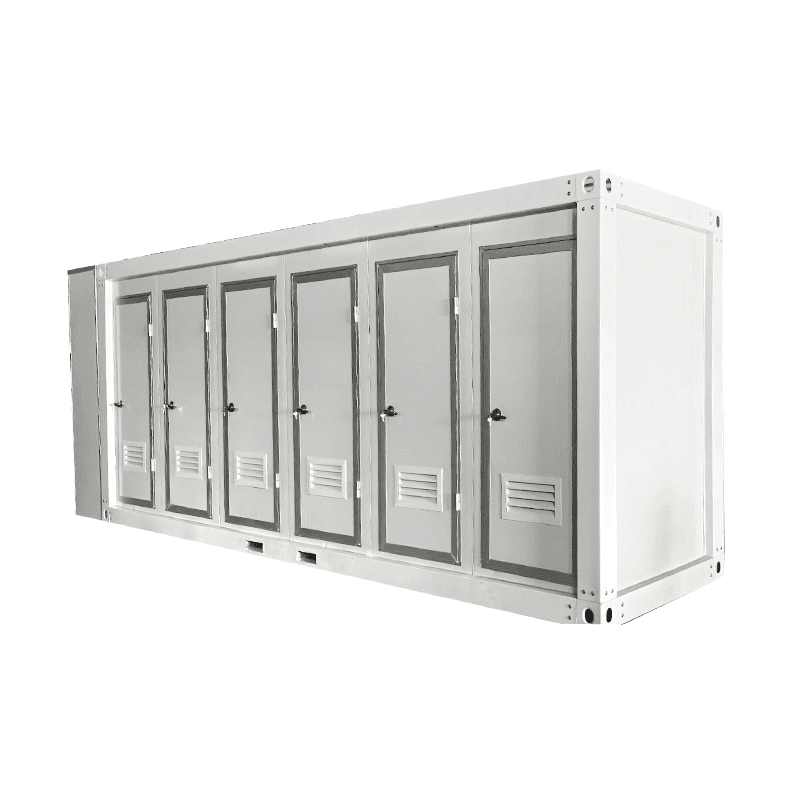
Mobile Toilet Facilities
A mobile independent restroom is a sanitary facility that can be moved as a whole and used independently, equipped with or accompanied by simple storage and treatment devices. Common types include storage-type, circulating water-flushing type, dry-type, or composting type, etc. The outer shell is commonly made of fiberglass-reinforced plastic, and the frame is mostly made of steel or aluminum alloy. The internal structure generally includes a toilet, a sink (some simple types may not have one), a storage box, ventilation devices, and necessary lighting. This type of facility is suitable for temporary events, construction sites, outdoor areas, etc., offering flexibility and convenience.
In addition, there are mobile toilet commode chairs, which adopt thickened and reinforced steel tube frames and are equipped with anti-slip silicone foot pads at the bottom. The tested load-bearing capacity can reach over 150 kilograms. They mainly solve the problems of difficulty in squatting down and getting up for the elderly, pregnant women, and those with temporary mobility impairments during toilet use, and are suitable for home or rehabilitation settings.
Toilet Relocation
Toilet relocation refers to the operation of changing the original installation position of the toilet, usually for the purpose of optimizing space layout, improving usability, or adapting to a new decoration style. The main methods include:
- Using a toilet offset connector: Suitable for short-distance adjustments, usually not exceeding 10 centimeters. The offset connector achieves position change by extending the drainage pipe, but it may affect drainage efficiency and increase the risk of blockage.
- Raising the floor: By raising the floor, the drainage pipe is re-laid, suitable for situations where a relatively large relocation distance is required. It is necessary to ensure a reasonable pipe slope to avoid poor drainage.
- Converting to a wall-mounted toilet: The drainage pipe is hidden inside the wall, saving space and looking aesthetically pleasing, but the construction cost is relatively high.
- Making a new hole in the floor slab: Suitable for buildings on the ground floor or those allowed to be renovated, requiring professional construction and ensuring structural safety.
Construction precautions: During relocation, it is necessary to strictly ensure the slope and tightness of the drainage pipe to avoid backflow or leakage of sewage. After construction, the waterproof layer must be redone, and the waterproof effect must be verified through a closed-water test. Improper operation may lead to pipe blockage, water leakage, and even trigger disputes with neighbors, so it is recommended to be carried out by professionals.



