
Home Mobile Toilet Shower Installation
The installation of home mobile toilet showers requires stricter conditions, with a particular focus on the requirements for the floor, water and electricity systems, and drainage systems. Here are the specific installation points:
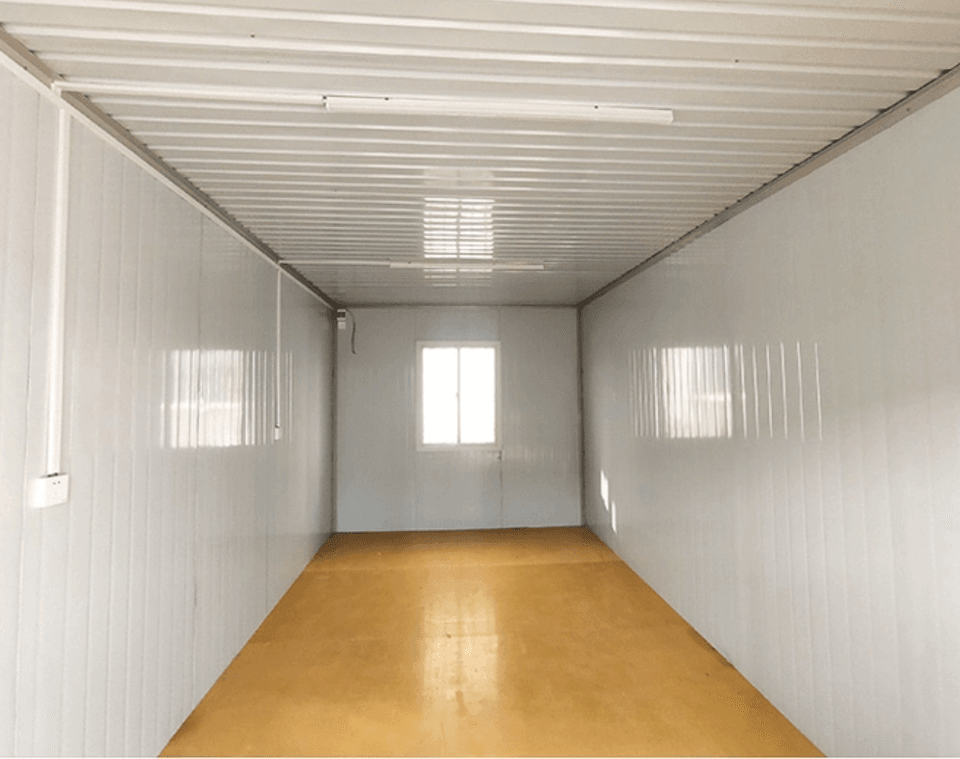
1. Floor Foundation Requirements
Mobile shower rooms have much higher requirements for floor flatness and hardness compared to ordinary mobile toilets. While ordinary toilets can be placed directly on muddy or ordinary ground, shower rooms must be installed on absolutely flat and hardened surfaces (such as concrete floors). If the ground is sloped or has a soft base, it can cause the equipment to tilt and become damaged, as well as result in water accumulation in the shower area, affecting safety and the lifespan of the equipment.
2. Water and Electricity System Configuration
- Water Supply Requirements: Cold and hot water dual pipes must be connected, and the water pressure must be stable with sufficient flow. The thin water pipes used in ordinary toilets cannot meet the needs of showers. It is necessary to plan independent water supply pipes in advance to avoid insufficient water pressure causing poor water flow.
- Electrical Requirements: Shower rooms need to power high-power electrical appliances (such as instant electric water heaters with a power of over 8kW). They must be equipped with dedicated high-power cables (it is recommended to use copper wires with a cross-sectional area of 4 square millimeters or more) and be directly connected to an independent circuit breaker. Ordinary power strips or low-power circuits pose risks of overheating and short circuits and are strictly prohibited.
- Dry-Wet Separation Design: The soap water and hair produced in shower rooms can easily clog pipes. A dry-wet separation drainage system should be adopted. Feces and shower water should be treated separately to avoid mixed discharge causing pipe blockage. It is recommended to install an independent sewage collection device or connect to the municipal sewage pipe network.
3. Equipment Integration and Installation Examples
Some professional mobile shower rooms (such as Laobing Convenience Shower Rooms) offer integrated solutions, including facilities such as water heaters, bathroom heaters, washbasins, and beauty mirrors. These types of equipment usually adopt a modular design. During installation, they should be assembled in the order specified in the instructions, with a focus on checking:
- Whether the cold and hot water connections of the water heater and showerhead are sealed;
- Whether the grounding protection of electrical appliances such as bathroom heaters is reliable;
- Whether the connection between the washbasin drain pipe and the drainage system is tight to avoid leakage.
4. Safety Precautions
After installation, a comprehensive test should be carried out:
- Turn on all water-using equipment and check for water accumulation on the floor;
- Run the water heater for more than 10 minutes to monitor the circuit temperature and water pressure stability;
- Confirm that the drainage system is smooth and there is no odor.
If equipment tilting, water leakage, or electrical abnormalities are found, the equipment should be immediately stopped from being used and professional personnel should be contacted for maintenance.
You may also like

Portable Toilet Eco-Friendly: MOQ, Samples & Quotation Guide
Read More
Top Portable Toilet Color Steel Manufacturers: How to Choose a Factory Partner
Read MorePortable Toilet Picture: Types, Features & Buying Tips
Read More