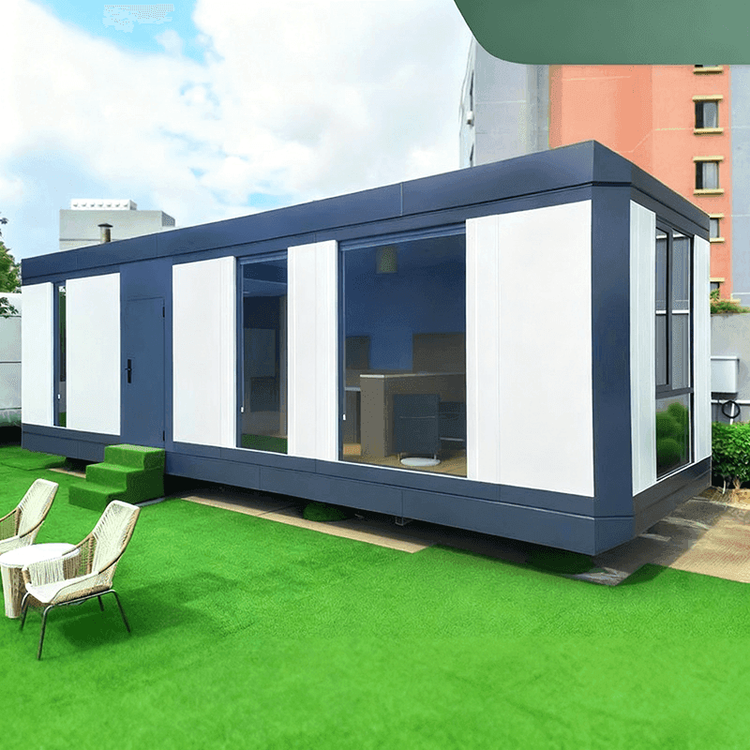
Holike Portable Toilet
Holike has no direct connection with portable toilets. The following provides a detailed explanation from three aspects: brand positioning, business scope, and industry attributes.

Significant Differences in Brand Positioning
As a leading brand in China's overall furniture industry, Holike's core positioning is to provide high-quality home solutions. Since its inception, the brand has consistently focused on optimizing family living spaces, meeting consumers' demands for personalized home furnishings through customized services. In contrast, portable toilets belong to the field of public sanitation facilities, primarily serving temporary or long-term toilet needs in public places. There is an essential difference in brand positioning between the two. Holike's brand image lacks intersection with the functional attributes of portable toilets, failing to form a basis for business association.
No Overlap in Business Scope
Holike's main businesses include customized furniture, customized wardrobes, and whole-house customization services. Its product range encompasses home products such as cabinets, wooden doors, and wall panels, all centered around the interior space of homes. Its production process involves board processing, hardware fitting installation, and other steps, which are entirely different from the manufacturing processes of portable toilets (such as steel structure welding and sewage treatment system integration). Additionally, Holike's sales channels mainly consist of home furnishing stores and online e-commerce platforms, targeting family users. In contrast, the purchasers of portable toilets are usually governments, scenic area management entities, or event organizers, with no overlap in customer groups and sales models between the two.
Vastly Different Industry Attributes
From an industry classification perspective, Holike belongs to the furniture manufacturing industry, significantly influenced by real estate cycles and consumption upgrade trends. Portable toilets, on the other hand, fall under the category of environmental protection equipment or public facilities, with their development driven by factors such as urbanization and the scale of the tourism industry. There are differences between the two in terms of their positions in the industrial chain, technical standards, and regulatory requirements. For example, portable toilets need to comply with standards such as the "Design Standards for Urban Public Toilets," while furniture products must meet standards like the "Limits of Harmful Substances in Interior Decorative and Renovation Materials," indicating significant industry barriers.
In conclusion, Holike has no direct connection with portable toilets in terms of brand positioning, business scope, and industry attributes. Currently, there is no evidence to suggest that Holike is involved in the design, production, or sales of portable toilets.