
Hohhot Mobile Toilet Renovation
The renovation of mobile toilets in Hohhot involves multiple aspects such as technological upgrades, material optimization, local climate adaptability design, and key points in the renovation process.
Technological Upgrades
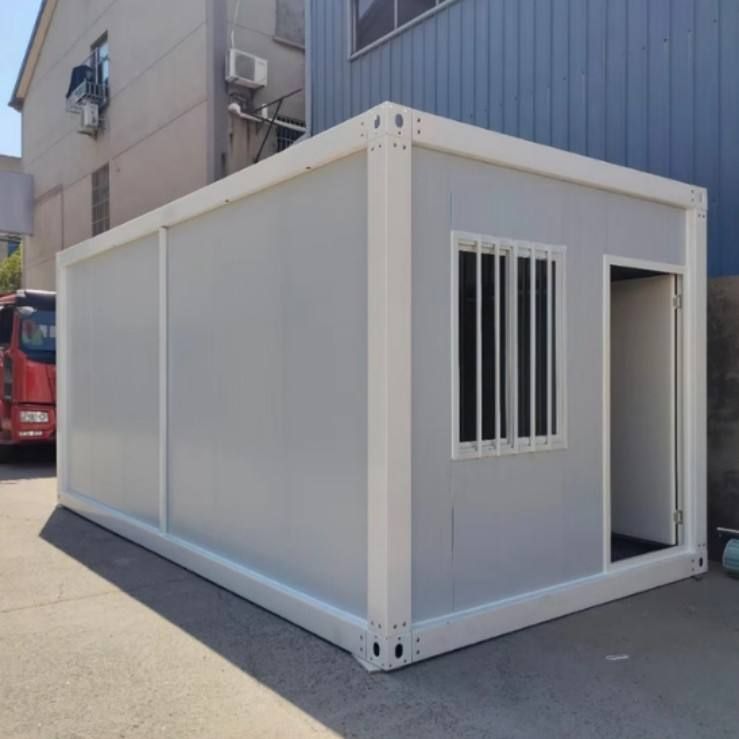
Modern temporary mobile toilets adopt modular prefabricated designs, with standardized factory-based prefabrication and rapid on-site hoisting and assembly, significantly shortening the deployment cycle. New models are equipped with diverse eco-friendly treatment systems, such as microbial degradation, foam sealing, dry waste storage, and water-saving flushing modes, suitable for outdoor scenarios in northern regions with water scarcity and no sewer networks. The application of water-saving flushing systems and waste resource treatment technologies reduces reliance on external water sources and sewer networks; remote monitoring systems enable real-time acquisition of facility usage status and maintenance needs, enhancing management efficiency.
Material Optimization
The main body of the equipment uses high-density anti-corrosion panels and thickened insulation structures, featuring wind, freeze, sun, and leak resistance, capable of handling complex weather conditions. It is less prone to freeze damage and cracking in low-temperature environments, ensuring long-term stability. For example, Xinhe Integrated Housing uses a high-strength steel frame for its main body, with superior wind and earthquake resistance compared to conventional color steel panel houses; modules can be quickly disassembled and reused, reducing losses during secondary relocations; interior and exterior wall materials balance insulation and noise reduction, suitable for different climates.
Local Climate Adaptability Design
In Hohhot, where winter temperatures are low and prolonged, mobile toilets need to be equipped with insulation layers and anti-freeze devices, with storage tanks made of low-temperature-resistant materials and drainage pipes fitted with electric tracing systems to prevent freezing. In summer, enhanced ventilation design prevents poor internal air circulation. Some models are equipped with solar power systems to adapt to local climate conditions.
Key Points in the Renovation Process
Renovation should consider sewage system configuration, material grade, price transparency, delivery process, and after-sales mechanisms. Demand diagnosis should clarify usage scenarios to determine sewage system configuration and material grade; pricing should be transparent, listing all cost items; the delivery process includes factory pre-assembly quality inspection and on-site re-measurement; the after-sales mechanism should specify regular inspection cycles and component replacement timelines.



