
Hohhot Construction Site Portable Toilets
Choosing portable toilets for construction sites in Hohhot requires a comprehensive consideration of core factors such as materials, structure, assembly time, and operational response, and matching supplier solutions based on specific needs.
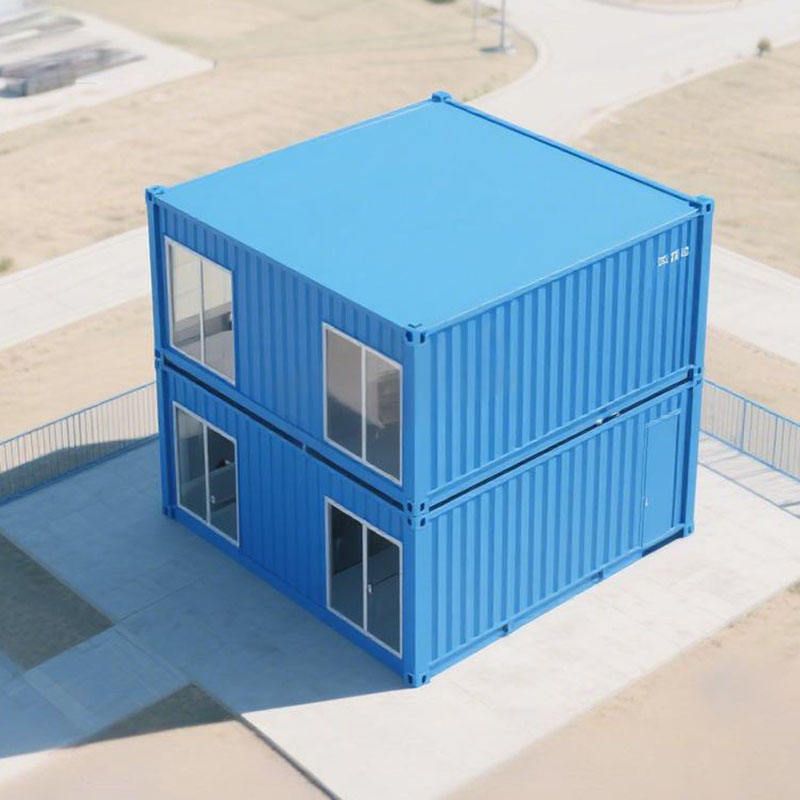
1. Environmental Protection, Fire Resistance, and Corrosion Resistance Requirements for Materials Portable toilets for construction sites should prioritize the use of materials that meet environmental protection standards, such as color-coated steel plates and metal carved panels, ensuring no release of harmful gases. At the same time, the materials need to meet fire-resistant standards (e.g., Class A non-combustible) and possess corrosion-resistant properties to adapt to the complex environment of construction sites. For example, the HT021-3 model from Cangzhou Hengtai Environmental Sanitation Equipment Co., Ltd. adopts a lightweight steel structure with materials including color-coated steel plates and metal carved panels, effectively resisting corrosion and high temperatures, with an applicable temperature range of -50°C to 50°C, suitable for construction sites under extreme climatic conditions.
2. Wind and Earthquake Resistance and Stability of the Structure A high-strength steel structure is key to ensuring the stability of portable toilets. Inner Mongolia Xinhe Integrated Housing Technology Co., Ltd. forms a modular box structure through standardized panel production lines and high-strength steel structure design, effectively resisting wind impact and earthquake effects, especially suitable for short-term, high-intensity turnover construction site scenarios. Its closed-loop production model (modular box production and on-site assembly) further enhances the overall structural integrity and reduces the risk of collapse.
3. Assembly Time and Construction Efficiency Construction sites have tight schedules, and the assembly time of portable toilets needs to be controllable. Inner Mongolia Xinhe reduces the on-site assembly time to half of that of traditional methods through modular design, significantly shortening the construction time and minimizing interference with construction site operations. Cangzhou Hengtai, on the other hand, provides customized services and can flexibly adjust the assembly plan according to the scale and needs of the construction site, balancing efficiency and adaptability.
4. Operational Response and Functional Adaptability The speed of post-maintenance response directly affects the user experience. It is necessary to choose suppliers that can quickly provide repair and cleaning services. In addition, the functional design needs to meet the needs of construction sites:
- Thermal Insulation and Moisture Resistance: The modular boxes from Inner Mongolia Xinhe use thermal insulation materials, suitable for cold regions in the north;
- Type Selection: Cangzhou Hengtai supports various types such as microbial ecological toilets and waterless packing toilets, which can solve the sewage disposal problem under conditions without water supply and drainage;
- Pipeline Layout: The internal water supply and drainage pipelines need to comply with civil building codes to avoid odor backflow and leakage, such as using U-shaped traps to block the return of foul odors.
5. Comparison of Supplier Solutions
- Inner Mongolia Xinhe: Suitable for construction sites with short-term, high-turnover needs, requiring rapid assembly and emphasizing thermal insulation and moisture resistance;
- Cangzhou Hengtai: Provides customized services, supports extreme temperature environments and diverse toilet types, with strong flexibility.
When choosing, a comprehensive evaluation should be conducted based on the specific needs of the construction site (such as construction period, climate, and water supply and drainage conditions) to ensure the functionality, safety, and cost-effectiveness of the portable toilets.



