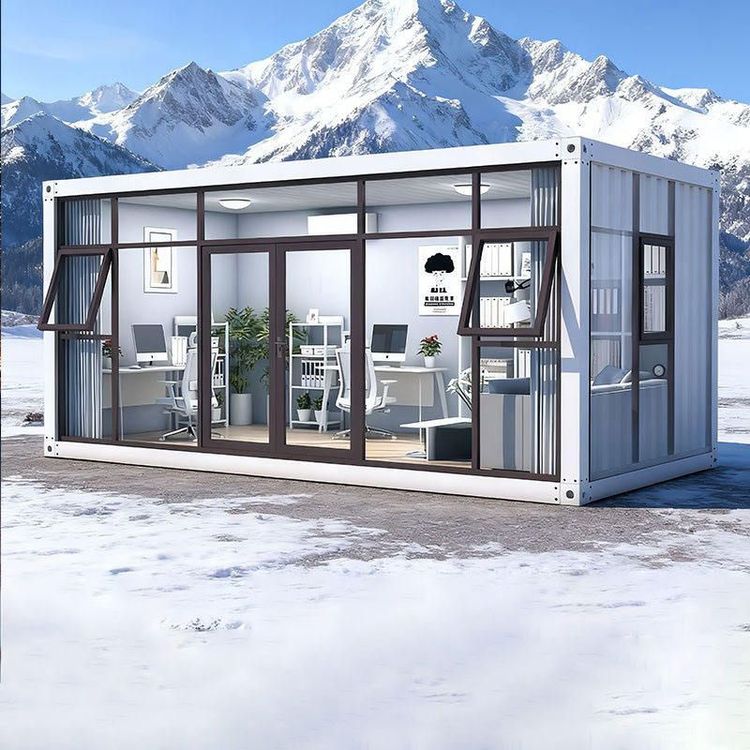
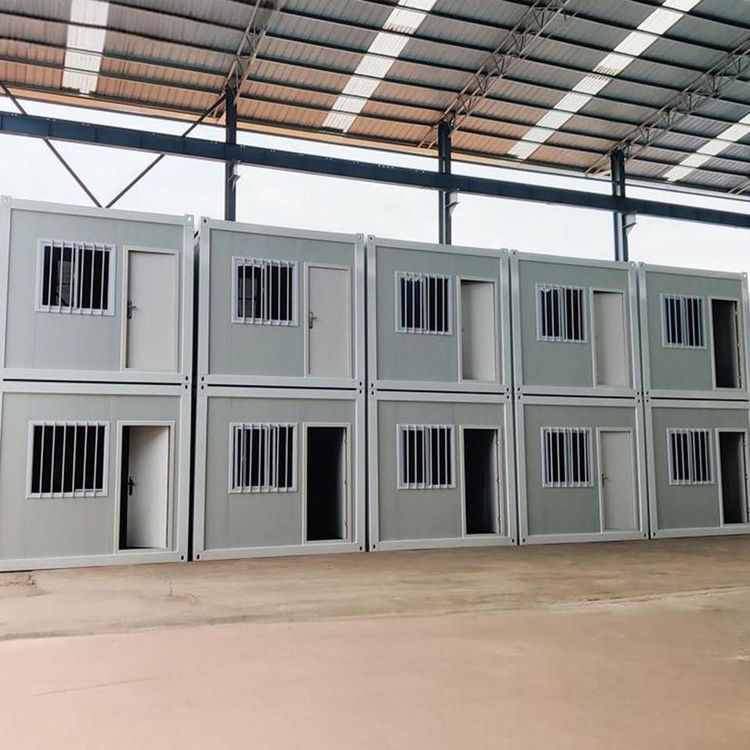
Hohhot-Baotou Mobile Environmental Toilet
The mobile environmental toilets in the Hohhot-Baotou region feature diverse technical paths, with material and process selections emphasizing practicality and adaptability.

Treatment System Types
The treatment systems for mobile public toilets in Baotou are mainly divided into three categories:
- Water-flushing system: Similar to traditional flush toilets, but with the water tank and sewage tank integrated inside the toilet body. High-pressure pneumatic or electric water pumps are used to reduce the amount of water used per flush, making it suitable for areas with good water supply conditions.
- Foam-sealing system: A foam containing special surfactants is applied to the surface of the toilet bowl to reduce water consumption for flushing and block odors. The issue of foam liquid mobility at low winter temperatures needs to be addressed, typically by adding antifreeze or heating devices.
- Microbial degradation system: Specialized microbial communities are used to decompose excreta, producing water vapor, carbon dioxide, and a small amount of inorganic salt residue. Heating devices and stirring systems are required to maintain microbial activity, making it suitable for water-scarce or highly environmentally demanding scenarios.
Material Selection
- Wall structure materials:
- Fiberglass-reinforced plastic (FRP): Quick mold forming, lightweight, and good thermal insulation, suitable for standardized mass production.
- Stainless steel: High structural strength and strong corrosion resistance, suitable for public environments or scenarios where chemical disinfectants are frequently used.
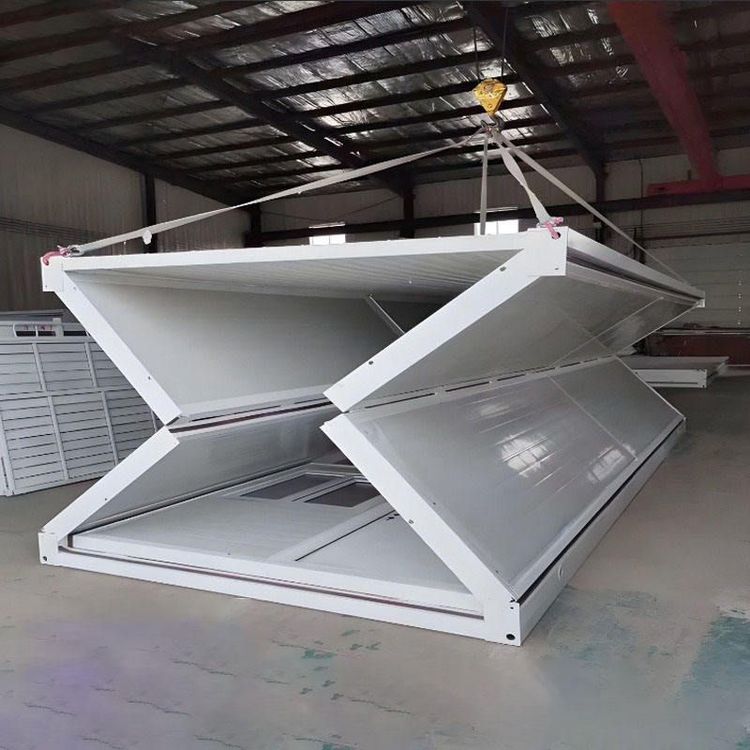
- Frame materials: Cold-formed steel sections are used as the main load-bearing components, with bolt connections facilitating disassembly and transportation. The outer wrapping panels of the frame are mostly FRP or galvanized steel sheets, balancing durability and cost.
Production Process Characteristics
The production of mobile public toilets in Baotou follows a modular principle:
- Factory prefabrication: All components (such as frame welding, panel cutting, pipeline pre-embedding, and electrical wiring laying) are completed in the factory to ensure quality control.
- On-site installation: Modules are connected via quick connectors for water and electricity pipelines. On-site work only involves assembly, foundation fixing, and system debugging, typically taking no more than 4 hours, greatly improving deployment efficiency.
Supplementary Application of Plastic Mobile Toilets
Some manufacturers in Baotou produce plastic mobile toilets, which are easy to clean, lightweight, highly malleable, and occupy a small area, making them suitable for densely populated places such as railway stations, tourist attractions, and commercial streets. Their treatment methods are flexible and can be combined with the above three systems or adopt a simple packaging design to further reduce operation and maintenance costs.