
Mobile Toilets on Highways
There are mainly two types of mobile toilets on highways: emergency urine bags and independent mobile toilet facilities.
Emergency Urine Bags as 'Mobile Toilets'
Emergency urine bags can be regarded as a simple 'mobile toilet' solution on highways. From a design perspective, they offer numerous advantages. Their quality is relatively good, being sturdy and durable enough to withstand a certain amount of external force without breaking. The bag opening features a curved design, which is highly user-friendly and suitable for both men and women, facilitating use by individuals of different genders. The wide opening diameter allows users to complete the process with relative ease in emergency situations, avoiding inconvenience caused by a narrow opening. Inside, there is absorbent sand that can quickly absorb urine, preventing liquid spillage and maintaining relative dryness within the bag. Moreover, they have a large capacity, capable of meeting the needs of one or multiple urinations. Their good sealing performance effectively prevents odor emission and liquid leakage after use, ensuring a relatively clean usage environment. On highways, when drivers or passengers encounter an urgent need to relieve themselves and there are no nearby service areas or public toilets, emergency urine bags can serve as an emergency solution to address immediate needs.
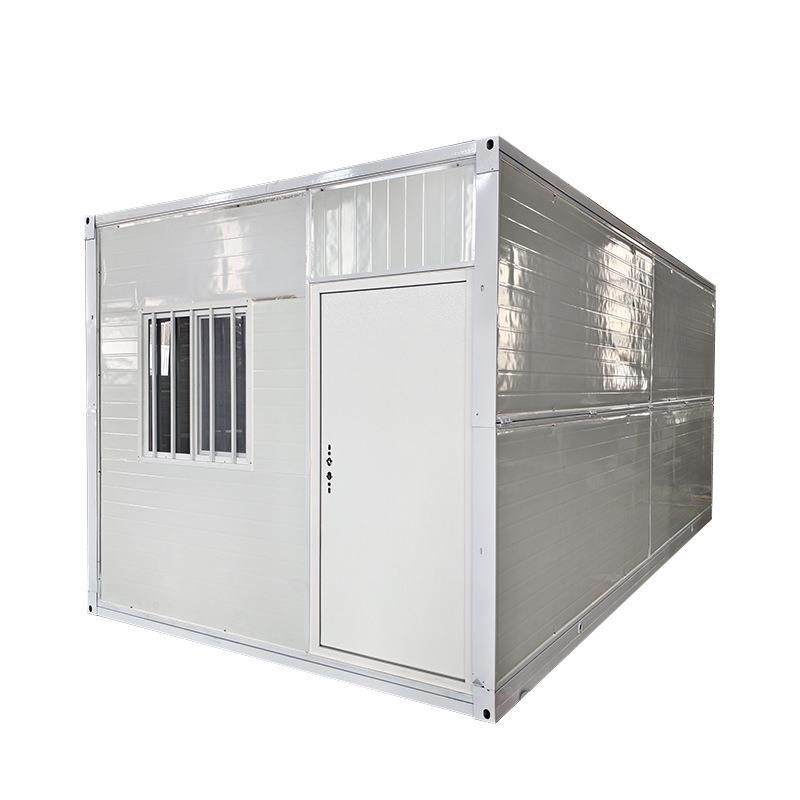
Independent Mobile Toilet Facilities
In addition to emergency urine bags, there are also independent mobile toilet facilities on highways. However, these facilities have encountered some unexpected incidents during use. For example, a woman once entered a mobile toilet at the Baoding Marathon site and, due to worker negligence, was lifted along with the toilet by a crane onto the highway. She was only discovered when the truck reached its destination and unloaded. This incident highlights potential safety hazards in the use and management of mobile toilets. Furthermore, mobile toilets are also used in scenarios such as on Tibetan highways, with companies specifically undertaking related businesses to provide convenient toilet facilities for people traveling in these remote areas. These mobile toilets usually have a certain scale and facilities, offering a relatively comfortable toilet environment. However, they also require professional transportation, installation, and maintenance management to ensure their normal operation and safety in use.



