High-Tech Environmental-Friendly Mobile Toilet
High-tech environmental-friendly mobile toilets are public sanitation facilities that integrate advanced technology with environmental protection concepts, featuring water conservation, durability, and diverse functions.

1. Water-saving technology
These toilets achieve efficient flushing by automatically collecting hand-washing water and adding special agents, requiring only 0.46 liters of water per use, saving over 80% compared to traditional public toilets. Their technical routes include waterless flushing, foam sealing, and water flushing. Foam sealing reduces odor diffusion and water usage by covering waste surfaces with foaming agents, while microbial degradation systems utilize specific bacteria to decompose organic matter, enabling waterless treatment suitable for water-scarce areas or vehicle-mounted scenarios.
2. Material and structural design
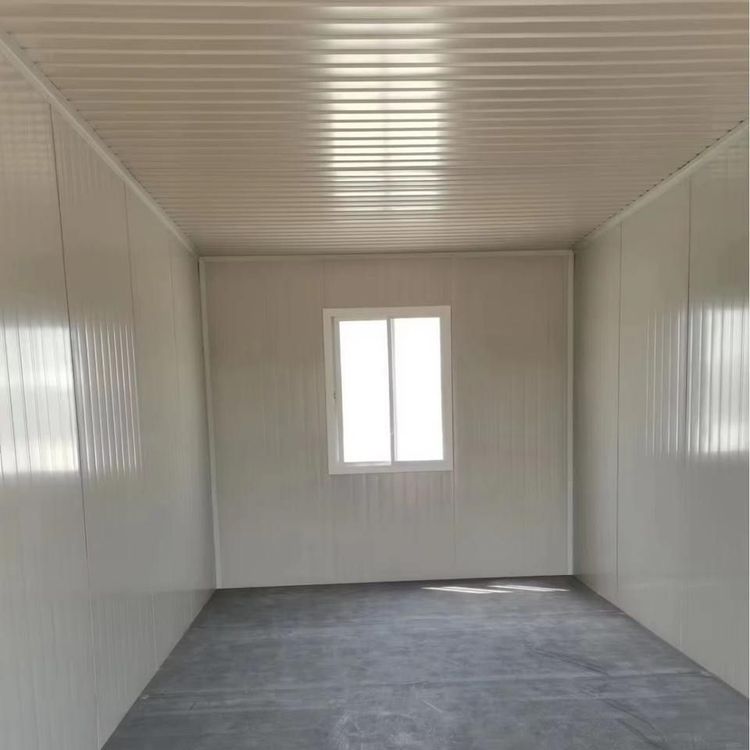
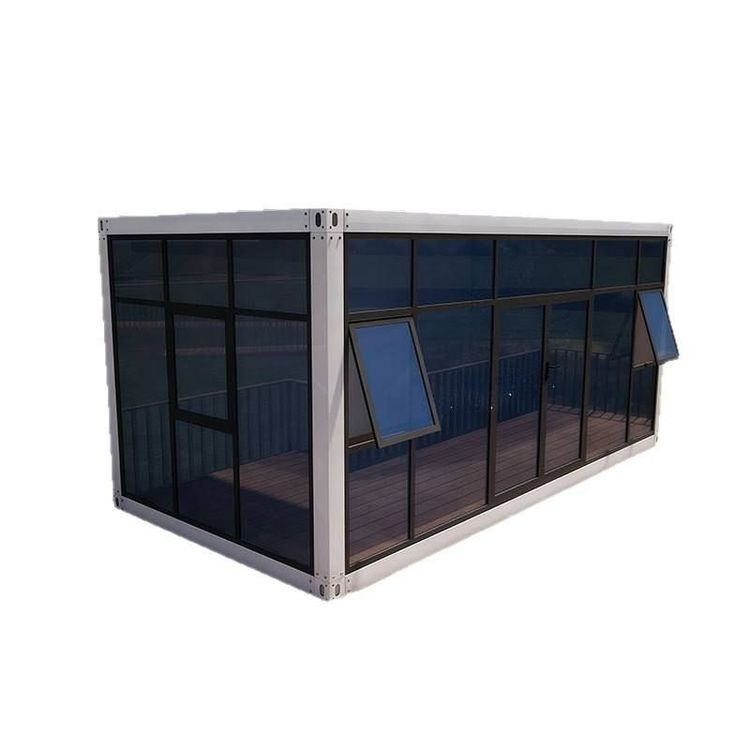
The main frame is welded from national standard steel, with surfaces covered in anti-corrosion and fire-resistant materials like color-coated steel plates or carved panels, offering strong wind and earthquake resistance with a service life exceeding 20 years. Modular design supports rapid assembly and disassembly, with various forms such as trailer-mounted, box-type power distribution cabinet-style, and stainless steel booth-style to adapt to different terrain requirements. For example, trailer-mounted public toilets equipped with independent towing devices can be deployed within one hour, while box-type structures enable quick water and electricity connections through standardized interfaces.
3. Internal configuration and intelligent functions
- Sanitation system: Independent urinal and toilet partitions handle waste separately, with urine channels utilizing gravity flow and fecal channels employing piston-type scraper mechanisms for cleaning, preventing cross-contamination.
- Basic configurations: Non-slip floors, automatic flushing toilets, and ventilation and lighting systems are standard, with some models integrating temperature and humidity sensors to automatically adjust ventilation frequency based on the environment.
- Technological upgrades: High-end models feature smart mirrors (displaying weather and air quality information), breathing lights (changing color based on usage status), and wave-sensing systems (enabling contactless operations for door opening, seat changing, and flushing), enhancing user experience and hygiene levels. During the Winter Olympics, epidemic prevention public toilets were equipped with UV disinfection modules for instant inactivation of waste.
4. Application scenarios and industrial chain
These products are widely deployed in public places such as scenic spots, service areas, and rural areas, with an industrial chain covering over 20 production enterprises in Liaoning, Shanghai, Hebei, and other regions. For example, a Liaoning-based enterprise's microbial degradation toilets have served over 500 villages nationwide, while Shanghai-based companies' vehicle-mounted toilets have become the preferred choice for emergency support at large-scale events. Their mobile deployment capabilities make them crucial in disaster relief and temporary exhibition scenarios.