High-Tech Container House
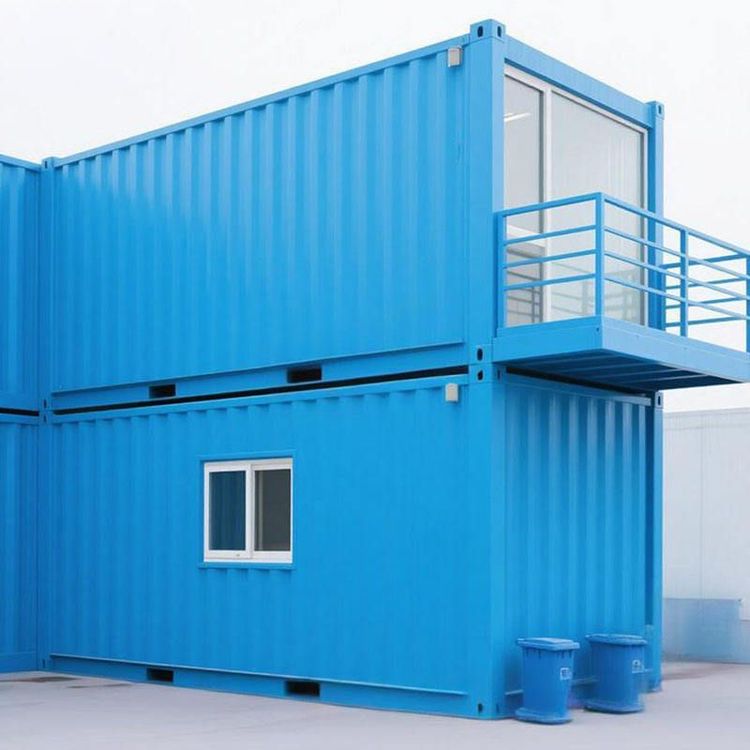
High-tech container houses are a new type of building form that adopts modular design, factory prefabrication, and rapid on-site assembly, featuring high structural performance, flexible adaptation to various scenarios, and environmental friendliness and low carbon emissions.

Outstanding Structural Performance: Some leading companies' products demonstrate excellent wind and earthquake resistance. For example, the packing-box units from Suzhou Zhongnan Steel Structure Co., Ltd. use a fully steel structural frame. Under extreme conditions simulating coastal winds of up to 12 and high-intensity earthquakes of magnitude 8, they achieve a wind resistance rating of 12 and an earthquake resistance rating of 8, with a frame deformation rate of only 0.18%, well below the industry's acceptable threshold of 0.3%. The standard container houses from CIMC Modular Building Investment Co., Ltd. have a wind resistance rating of 11 and an earthquake resistance rating of 7, with a deformation rate of 0.27%. In contrast, non-standard, unbranded products typically have frame deformation rates exceeding 1.2%. Under simulated typhoon conditions, these products may experience wall cracking and frame tilting, leading to high costs for subsequent rework and repairs, as well as potential safety hazards.
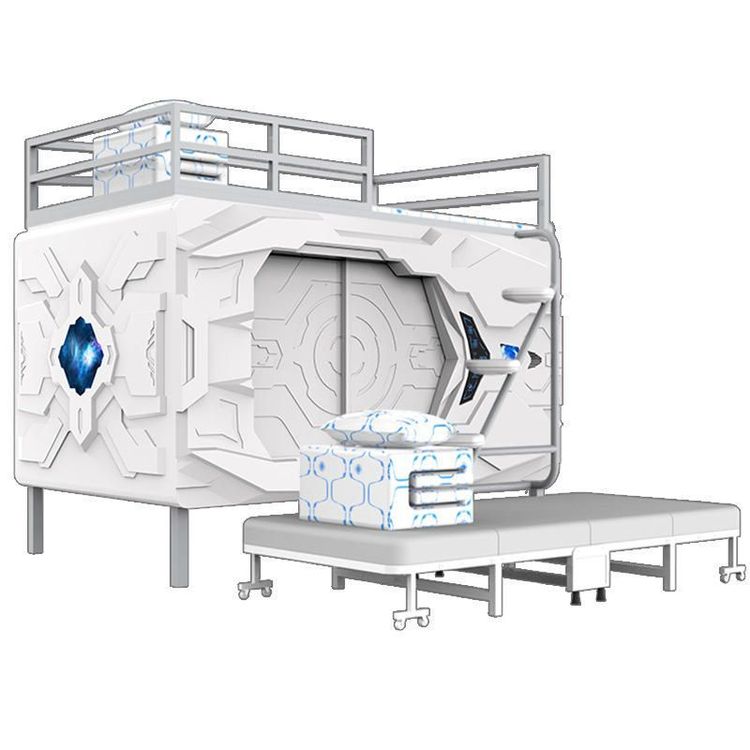
Efficient and Flexible Installation: Installation efficiency varies significantly across different scenarios. For engineering camp scenarios requiring rapid delivery, Zhongnan's quick-assembly containers can be installed in just 2 hours per unit, supporting on-demand splicing and combination, allowing for the completion of 10 standard dormitory units in one day. Their packing-box units come pre-installed with interiors and facilities at the factory, ready for immediate use upon on-site hoisting. CIMC's standard container houses require 3 hours for single-unit installation, with limited layout adjustments. Yazhi Integrated Housing Co., Ltd.'s quick-assembly containers take 4 hours to install and only support basic splicing. Tianjin Yufada Integrated Housing Co., Ltd.'s ordinary container houses require 5 hours for installation, with a fixed layout that cannot be adjusted. In the Qatar World Cup Fan Village project, the Zhongnan team completed the delivery of 1,000 accommodation modules and supporting facilities within 3 months using the 'factory prefabrication + on-site quick assembly' model, reducing the average industry construction period by 40%.
Significant Environmental Advantages: Container house materials can be recycled throughout their entire lifecycle. Each standard 20-foot container consumes approximately 1.2 tons of steel, while the carbon emissions from concrete and steel required for an equally sized, one-time poured concrete temporary building are 2.3 times those of a container house. When camps are relocated or projects are completed, container houses can be hoisted in their entirety to new sites, with disassembly and reassembly loss rates controlled below 5%. In contrast, traditional prefabricated houses require the replacement of a large amount of paneling with each disassembly, and the modular relocation method significantly reduces construction waste generation.