
High-Standard Mobile Toilet
High-standard mobile toilets are modern sanitation facilities that are durable, environmentally friendly, and reasonably designed, with various structural forms, mobility methods, and sewage treatment approaches.
Materials and Durability
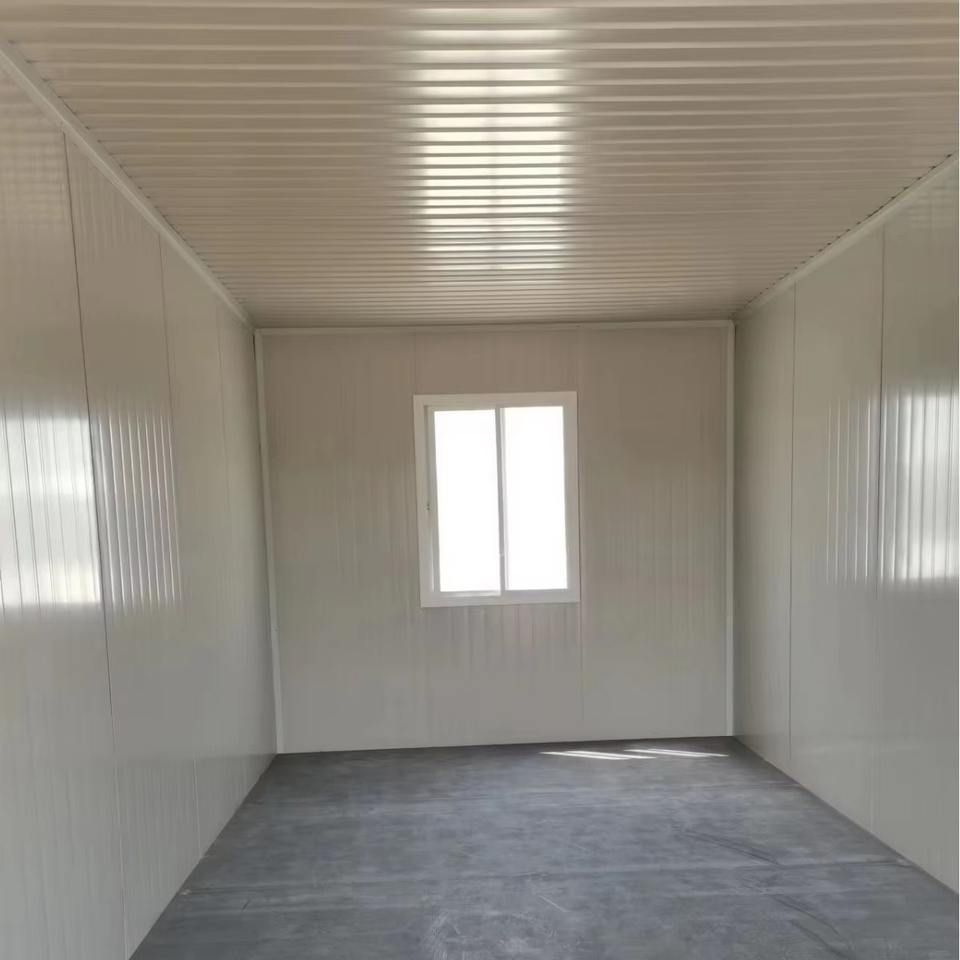
The main structure of high-standard mobile toilets is typically welded from high-quality galvanized square tubes and galvanized steel plates. This material offers excellent corrosion and rust resistance, enabling it to adapt to various harsh environments and extend the toilet's service life. The surface is treated with high-temperature spraying, which not only further enhances corrosion and rust resistance but also makes the appearance smooth and attractive, improving overall aesthetics. The interior floor is made of anti-slip tiles to ensure user safety and prevent accidents such as slipping. The walls are constructed from bamboo-wood fiber panels, which are environmentally friendly and pollution-free, aligning with modern green environmental concepts. These panels also provide good decorative effects, making the toilet interior more comfortable and pleasant.
Structure and Mobility
The overall structure is lightweight, durable, sturdy, and equipped with complete and reasonable mobility devices. Based on structural form, they can be divided into single-unit mobile toilets and composite-structure mobile toilets. Single-unit mobile toilets are relatively independent, making installation and movement more straightforward. Composite-structure mobile toilets are composed of multiple single units, offering richer functionality and flexible configuration according to actual needs. Based on mobility methods, they can be categorized as lifting and handling mobile toilets and powered and towed mobile toilets. Lifting and handling mobile toilets are suitable for short-distance movement and can be repositioned using cranes or manual handling. Powered and towed mobile toilets have autonomous mobility capabilities, equipped with power devices or towed by vehicles for long-distance movement, meeting usage demands in various scenarios.
Sewage Treatment Methods
Based on sewage treatment methods, they can be classified as water-flush and non-water-flush suction mobile toilets, circulating water-flush mobile toilets, and dry-packing mobile toilets. Water-flush and non-water-flush suction mobile toilets discharge fecal matter and other waste through water flushing or suction, making treatment relatively convenient. Circulating water-flush mobile toilets employ a circulating water system that purifies and reuses flushing water, conserving water resources. Dry-packing mobile toilets package fecal matter and other waste in a dry manner without using water, making them suitable for water-scarce areas or places with high environmental protection requirements.



