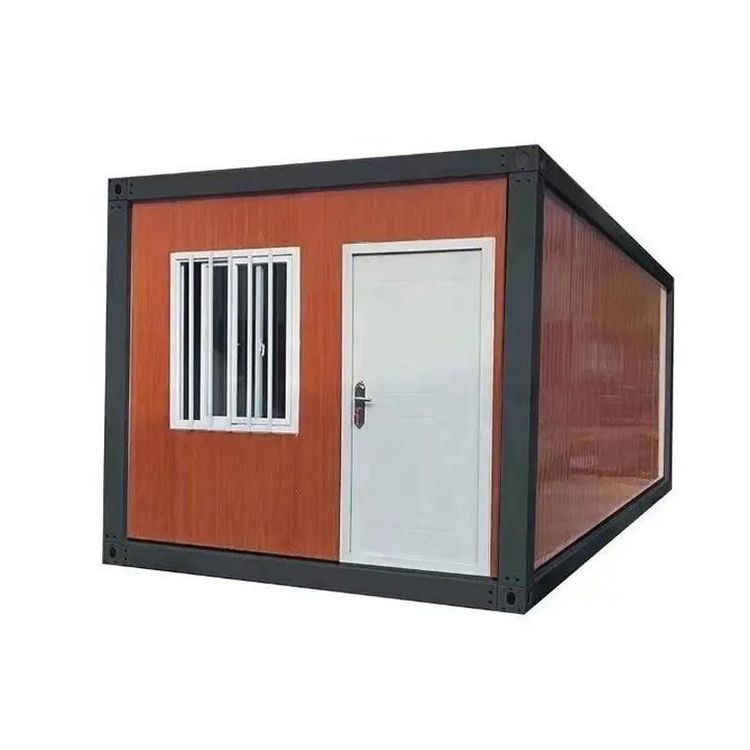
High-end Scenic Spot Mobile Toilet Customization
High-end scenic spot mobile toilet customization services offer diverse and personalized solutions to meet the comprehensive needs of scenic spots for aesthetics, practicality, and functionality.

In terms of materials and structure, high-end customized public toilets often use gray aluminum-plastic panels as exterior materials, paired with steel frame welding techniques. This combination is sturdy, durable, and highly corrosion-resistant, enabling it to adapt to the complex environments of scenic spots. The all-steel structure design not only extends the service life but also supports overall lifting and relocation, facilitating flexible adjustments based on tourist flow distribution or seasonal changes within the scenic spot. For example, the 7-shaped design, with its combination of frosted glass and metal frames, ensures privacy while creating a visually light and airy effect that harmonizes with the natural landscape.
Regarding functional configurations, customization services can include humanized modules such as independent third toilets, barrier-free facilities, and baby care stations. The provision of third toilets complies with the requirements of the "Urban Public Toilet Design Standards," offering dedicated spaces for disabled individuals, the elderly, and families with infants, reflecting the humanistic care of scenic spot services. Additionally, the interior of the toilets can be equipped with smart sensor faucets, constant-temperature hand dryers, and deodorization systems to enhance user comfort. Fecal sewage storage tanks or integrated disposal units ensure environmental compliance, preventing pollution to the scenic spot environment.
Design flexibility is a core advantage of high-end customization. In addition to the 7-shaped design, manufacturers can provide various style options based on the scenic spot's theme, such as antique, modern, or ecological designs, and even use 3D modeling technology to achieve seamless integration with surrounding buildings. For instance, in historical and cultural scenic spots, wooden-textured aluminum-plastic panels with eaves designs can be used, while in nature reserves, stone-like exteriors combined with green vegetation can make the toilets a part of the landscape rather than an eyesore.
The composition and classification of mobile toilets should also be considered in customization. Their basic structure includes modules such as fecal sewage storage tanks, floor slabs, sanitary ware, walls, washing equipment, water tanks, roofs, and mobile devices. They can be classified by structural form into single-unit and connected types; by mobility into lifting and towing types; and by sewage treatment methods into direct discharge, packing, and biodegradation types. Scenic spots can choose appropriate types based on terrain, water availability, and environmental requirements. For example, waterless flushing packing toilets can be used in water-scarce areas, and microbial degradation units can be installed in ecologically sensitive zones.
Through material upgrades, functional expansions, and design innovations, high-end scenic spot mobile toilet customization services have transcended the limitations of traditional public toilets, becoming an important carrier for enhancing scenic spot quality and optimizing tourist experiences.