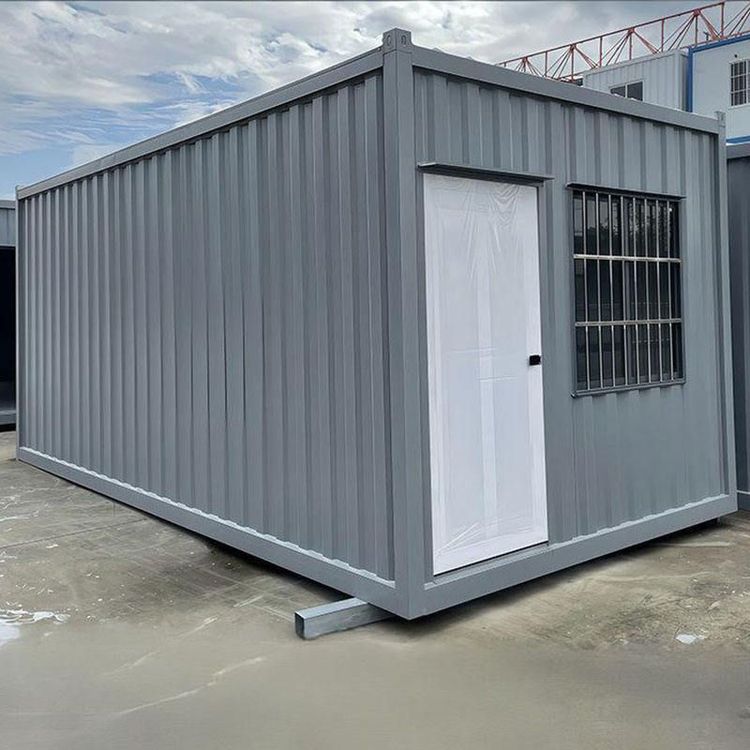
How Heavy Are High-End Mobile Toilets
The weight of high-end mobile toilets typically ranges from 100 kilograms to 3000 kilograms, depending on the material, size, and functional configuration. The following is an analysis from different dimensions:

Material is the core factor affecting weight. The density and structural characteristics of different materials directly determine the basic weight of the toilet. For example, high-end mobile toilets made of plastic, which use lightweight polymer materials, are relatively light, weighing approximately 100-500 kilograms, and are suitable for temporary events or scenarios with low load-bearing requirements. Fiberglass-reinforced plastic (FRP) toilets, formed by compounding resin with glass fibers, combine strength and lightweight properties, with a weight range of 500-1500 kilograms, often used in medium-scale needs such as scenic spots or construction sites. Steel-structured toilets, which use metal frames and panels, have a significantly increased weight, approximately 1000-3000 kilograms, and are mostly used in long-term fixed or high-load-bearing scenarios, such as large exhibitions or emergency rescue bases.
Size and functional configuration further widen the weight difference. Small single-person toilets, with compact structures and fewer accessories, can weigh as low as around 100 kilograms, suitable for rapidly deployable temporary scenarios. In contrast, large multi-person toilets, which need to accommodate multiple independent stalls, ventilation systems, sewage treatment devices, etc., can weigh up to 3000 kilograms or even more. The complexity of functional configurations also significantly affects weight. For example, toilets equipped with intelligent flushing systems, air conditioning, lighting, and other devices will weigh 20%-50% more than basic models.
In practical applications, it is necessary to comprehensively consider needs and costs. When choosing a mobile toilet, it is essential to balance weight and performance based on factors such as the usage scenario, transportation conditions, and installation foundation. For example, in mountainous areas or on rooftops with load-bearing limitations, plastic or FRP materials should be prioritized. In long-term fixed-use scenarios requiring high load-bearing capacity, the stability of steel-structured toilets is more advantageous. Additionally, weight directly affects transportation costs, and overweight toilets may require special transportation vehicles or split designs to reduce the load per trip.