
High-End Foreign Container House
High-end foreign container houses typically feature innovative design, high-quality materials, modular expandability, and premium customization services. The following provides an introduction from the perspectives of design, materials, functionality, and customization:
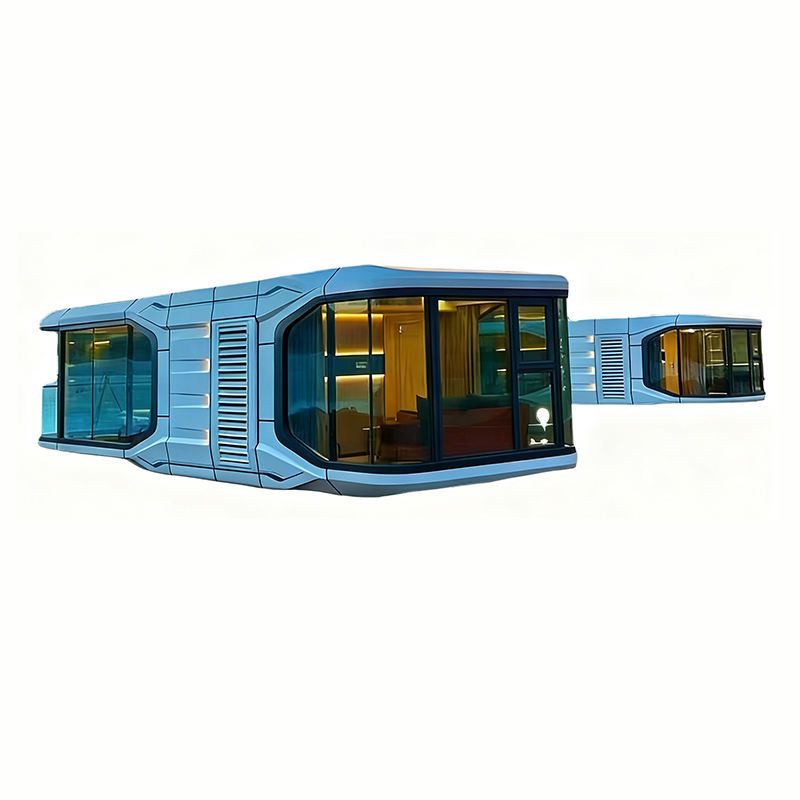
1. Innovative Design and Artistic Integration
High-end container houses break away from traditional industrial aesthetics, achieving artistic transformation through architects' innovative designs. For example, the Carol House in New York, USA, is constructed from 15 stacked containers, forming a 5,000-square-foot multi-story residence. Its angled cuts create a sculptural silhouette, while exposed plywood walls and floating steel stairs highlight industrial beauty. The Stockholm container house in Sweden, stacked with eight containers, is supported by metal columns, allowing it to hover above the ground, minimizing environmental impact. Glass walls introduce natural light, creating a transparent and open space. Such designs not only meet residential needs but also become landmark structures.
2. High-Quality Materials and Durability
High-end container houses utilize high-strength steel structures and eco-friendly materials to ensure structural stability and long-term use. For instance, Chinese suppliers offer 'durable prefabricated container houses' made with sandwich panels and galvanized steel, featuring waterproof, heat-insulating, and fire-resistant properties. Some products incorporate Z-shaped folding designs to enhance transportation efficiency. The Australian Standard Granny Flat employs a lightweight steel frame and expandable structure, adapting to various climates with a lifespan of several decades. Material selection balances functionality and sustainability, such as the Klein-Hangklip Eco Cabin in South Africa, which uses recycled wood for awnings to reduce environmental load.
3. Modular Expandability and Versatility
High-end container houses support flexible combinations and functional expansions to meet diverse needs. For example, 20-foot and 40-foot containers can be joined to create 2-5 bedroom residences, with some models equipped with kitchens, bathrooms, and even temperature-controlled wine cellars. Chinese suppliers offer 'expandable prefabricated container houses' with folding designs for rapid deployment, suitable for villas, apartments, offices, and other scenarios. Modular bars, cafes, and other commercial spaces reduce construction costs through standardized components while maintaining unique designs.
4. Premium Customization Services
High-end container houses provide end-to-end customization services from design to construction. For example, Chinese suppliers accept custom orders starting at 18 square meters, adjusting layouts, materials, and finishes according to client needs. The Carol House, a collaboration between American architecture firm LOT-EK and C-Home, uses angled containers to create private spaces, equipped with luxury amenities like home theaters and walk-in closets. Brazilian architect Marcio Kogan's container house extends living spaces outdoors with sliding doors, blending industrial elements with nature. Customization ensures each house is unique, meeting personalized demands.
5. Environmental Sustainability
High-end container houses emphasize resource recycling and low-carbon construction. For example, the 'Container House' at São Paulo's Casacor exhibition is repurposed from two 40-foot containers, achieving 100% recyclability. The Czech Container Hotel uses waterless toilets and built-in water tanks to reduce reliance on municipal infrastructure. Chinese suppliers offer solar-powered modular houses with photovoltaic panels to lower energy consumption. Such designs align with global green building trends, attracting environmentally conscious consumers.



