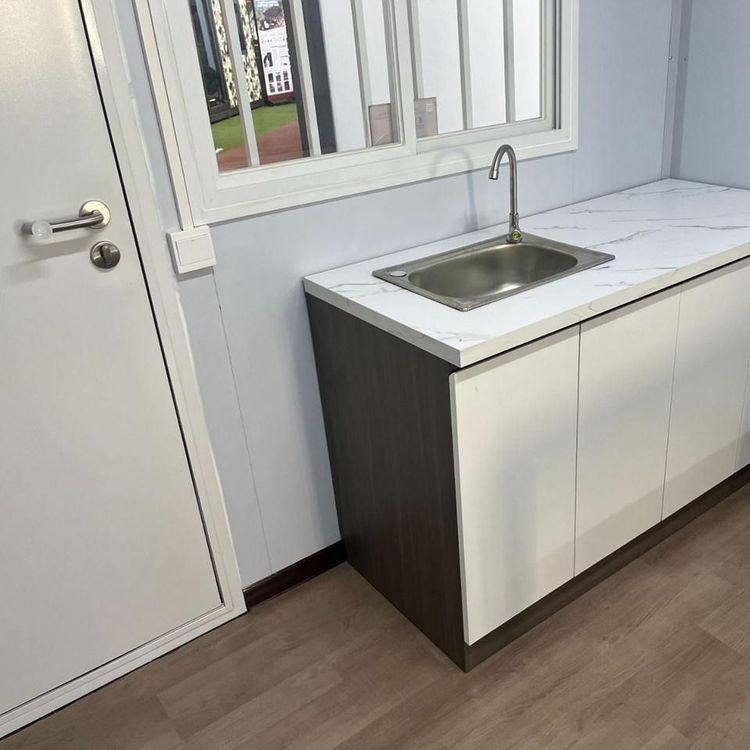
High Durability of Mobile Toilets
The high durability of mobile toilets is primarily reflected in aspects such as materials, design, type adaptation, and optimization of process details.

I. High-Quality Main Structural Materials Ensure Basic Durability The main frames of mobile toilets often use high-strength materials, such as 100×100 galvanized square steel, galvanized square tubes, and galvanized steel plates, which form a stable structure through welding processes. After high-temperature spray coating treatment, these materials develop a dense protective layer on their surfaces, effectively resisting environmental corrosion from moisture, acids, and alkalis, and preventing rust issues. For example, Kunming Rongdong Trading Co., Ltd. applies a weather-resistant polyester coating on the outer surfaces to cope with the intense ultraviolet radiation in plateau environments, further delaying material aging and extending service life.
II. Interior Materials Balance Environmental Protection and Durability The choice of interior decoration materials directly affects long-term usage effects. Anti-slip tiles are commonly used for flooring, meeting safety requirements while reducing maintenance frequency due to their wear-resistant and easy-to-clean properties. For walls, bamboo-wood fiber panels are used; these materials are not only environmentally friendly and pollution-free but also possess moisture-proof and mold-resistant properties, avoiding deformation issues caused by moisture in traditional panels. For example, the interior materials of mobile toilets used in some scenic spots remain flat and smooth with no obvious signs of wear after long-term use.
III. Structural Design and Type Adaptation Enhance Scenario-Based Durability The overall design of mobile toilets focuses on balancing lightweight construction and sturdiness. By controlling height and width and equipping them with complete mobile devices (such as adjustable feet and towing hooks), they are easy to transport and install while adapting to different terrains. For example, fiberglass-reinforced plastic mobile toilets, with their corrosion-resistant and easy-to-clean properties, hold an advantage in long-term deployment scenarios in scenic spots and outdoors. Their overall weight is approximately 180 kilograms, and they can withstand wind speeds of up to Level 8, making them resistant to strong winds. Modular mobile toilets adopt a modular design, with each module having an unfolded area of about 4 square meters and an assembly time reduced to within 30 minutes. The tight connections between modules make them suitable for construction sites with tight schedules or large-scale temporary events, and their quick assembly and disassembly features reduce structural wear caused by frequent movement.
IV. Optimization of Process Details Extends Service Life in Extreme Environments When purchasing, it is essential to focus on examining details such as material thickness and anti-corrosion treatment processes. For example, the mobile toilets from Kunming Rongdong Trading Co., Ltd. have optimized their internal piping systems for plateau environments by increasing pipe diameters and reducing bends, lowering the probability of blockages and reducing the frequency of cleaning from once a month to once a quarter, significantly lowering maintenance costs. Additionally, some products adopt a double-layer insulation structure to prevent pipe freezing in cold regions, further enhancing durability.