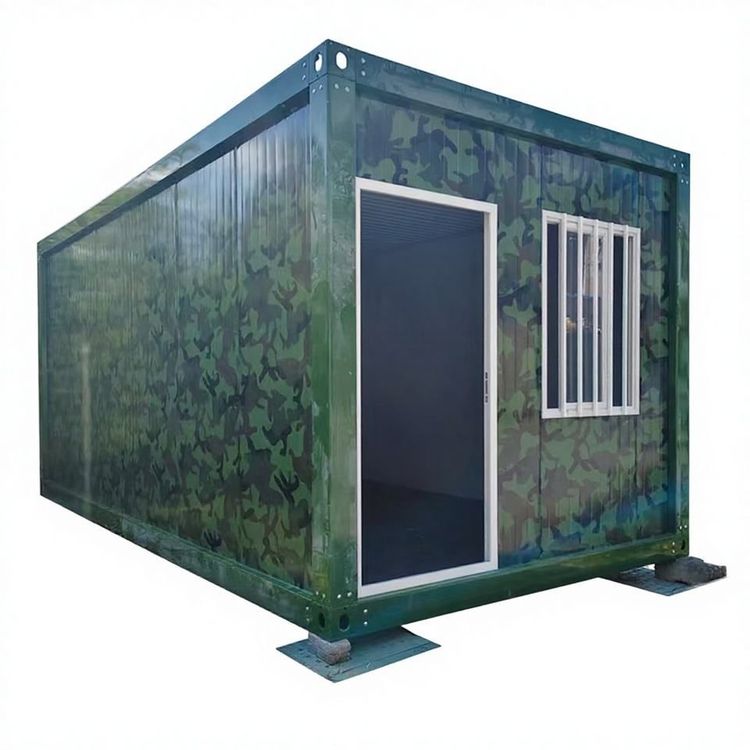
Mobile Toilets in High-Altitude Areas
Mobile toilets in high-altitude areas address challenges such as low temperatures, water scarcity, power shortages, and ecological fragility through technological innovation, achieving the goals of safety, year-round operability, and ecological control.

1. Anti-freezing technology: Ensuring stable operation in low-temperature environments
In high-altitude areas, winter temperatures often drop below minus tens of degrees Celsius, causing traditional toilets to become unusable due to frozen pipes. Malayi Village in Guoluo Tibetan Autonomous Prefecture, Qinghai Province, employs graphene heating technology, using electric heating films to maintain constant temperatures in key components such as water storage tanks and sewage pipes, ensuring normal flushing even in extreme cold. Additionally, some toilets adopt a double-layer insulation structure, with an outer layer of high-density polyurethane foam and an inner layer of anti-freezing alloy material, effectively reducing heat loss and lowering energy consumption.
2. Water-saving technology: Adapting to water-scarce environments
Water resources are scarce in high-altitude areas, necessitating water-saving designs for mobile toilets. The "airplane toilet" promoted in Ganzi Prefecture, Sichuan Province, relies on vacuum negative pressure technology, using air pressure differences to rapidly suck waste into collection tanks, requiring only 0.5 liters of water per flush—over 80% less than traditional toilets. Furthermore, some toilets utilize recirculating water systems, employing membrane bioreactors to purify sewage for reuse, further reducing water consumption.
3. Energy supply: Solving power shortage issues
In high-altitude areas with inadequate power grid coverage, mobile toilets rely on renewable energy sources for power. The photovoltaic micro-flush toilets in Malayi Village are equipped with a photovoltaic energy storage system, generating electricity through solar panels and storing it in lithium batteries to meet the power needs of heating and lighting equipment, achieving "zero electricity cost" operation. For areas with insufficient sunlight, wind power generation devices can be integrated to form a hybrid wind-solar energy supply model, ensuring year-round stable toilet operation.
4. Ecological protection: Standardizing waste disposal and maintenance
The ecological fragility of high-altitude areas requires waste disposal methods that avoid soil and water contamination. The Technical Guidelines for the Construction, Operation, and Maintenance of Public Toilets in High-Altitude Areas issued by Sichuan Province mandates that mobile toilets adopt resource utilization technologies, such as converting waste into organic fertilizer through biological degradation or using sealed collection tanks for regular transportation to treatment stations. Additionally, the promotion of smart toilet management systems, which use sensors to monitor parameters like temperature, humidity, and water levels in real-time, enables remote maintenance and fault warnings, reducing manual inspection costs.
Through these technological innovations, mobile toilets in high-altitude areas have overcome environmental limitations, providing safe, convenient, and eco-friendly sanitation services for local residents and tourists.