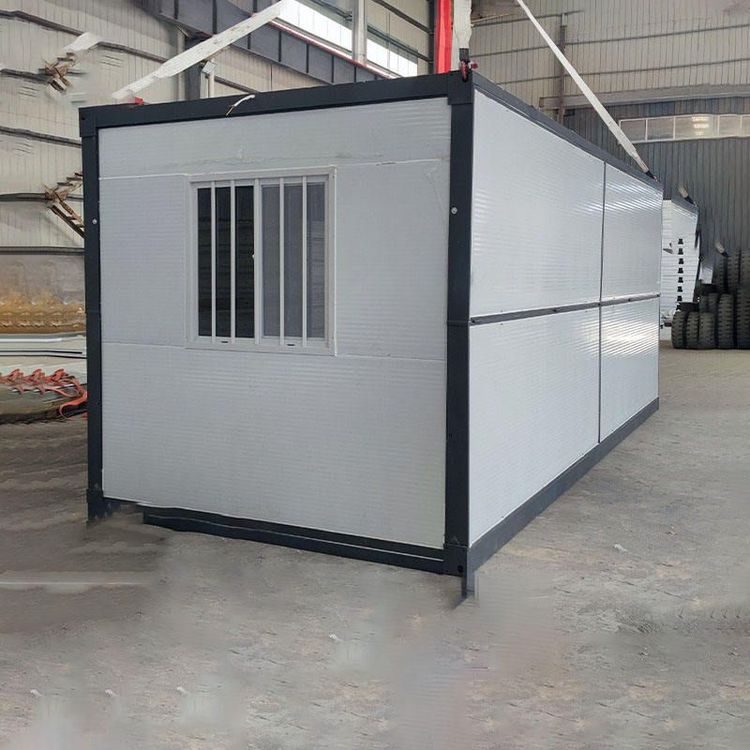
Hezhou Concert Portable Toilet
The planning of portable toilets for the Hezhou concert needs to be comprehensively designed by considering the audience size, venue conditions, and supplier resources. Although there is no specific plan at present, scientific allocation can be carried out by referring to general standards.

1. Demand Estimation and Quantity Planning
The allocation of portable toilets should be dynamically adjusted according to the number of audience members. It is generally recommended to estimate the number of toilet stalls based on a ratio of 1-2 stalls per 1,000 audience members. For example, if the concert has an audience size of 30,000, then 30-60 toilet stalls will be needed. Additionally, 5%-10% of spare toilet stalls should be reserved to cope with unexpected demands (such as equipment failures or peak crowds). If the venue has terrain limitations (such as slopes or narrow passages), the number of toilet stalls should be appropriately increased to ensure service efficiency.
2. Site Selection and Installation Requirements
Toilet stalls should be located within 50 meters of the audience seating area to reduce the walking distance for audience members. When selecting a site, low-lying areas prone to water accumulation (to prevent rainwater backflow) and strong wind areas (to avoid structural collapse) should be avoided, while ensuring a flat ground surface. During installation, the bottom of the portable toilets should be fixed with expansion screws to prevent displacement due to crowd activities; a sunshade or rainproof facility should be reserved on the top to enhance user comfort. If the venue is outdoors, additional consideration should be given to lightning protection measures.
3. Supporting Facilities and Safety Guarantees
Garbage bins should be placed around the portable toilets to maintain a hygienic environment, and lighting equipment (such as LED light strips) should be installed for nighttime events to ensure safety. To cope with emergencies, emergency call buttons should be installed inside the toilet stalls, connected to on-site security or medical teams. In hot weather, cooling fans should be prepared, while in cold regions, heating facilities (such as heating pads or thermal door curtains) should be added. Additionally, regular cleaning personnel should be arranged to inspect the area to avoid odor accumulation or sanitation issues.
4. Contract Management and Compliance
It is recommended to sign a contract with a local rental company in Hezhou (such as the local suppliers mentioned in the reference information) 1-2 months in advance, clarifying the delivery time, number of toilet stalls, payment settlement method, and emergency handling clauses (such as the replacement time limit for equipment failures). The contract should emphasize the environmental protection requirements of the venue to ensure that the sewage discharge from the portable toilets complies with local standards (such as treatment through a septic tank or connection to the municipal sewage network). If the event involves nighttime use, it should be confirmed whether the supplier provides 24-hour maintenance services.
5. Local Resource Coordination
The local rental company in Hezhou can provide transportation, installation, and maintenance services for the portable toilets. It is necessary to confirm the supplier's inventory and scheduling capabilities in advance according to the concert schedule. If the venue is located in a remote area, it is necessary to coordinate with the supplier to prepare a backup power supply (such as a generator) to cope with sudden power outages. Additionally, the supplier can be requested to provide a layout plan of the toilet stalls to facilitate the design of the on-site guidance system and guide audience members to quickly find the facilities.