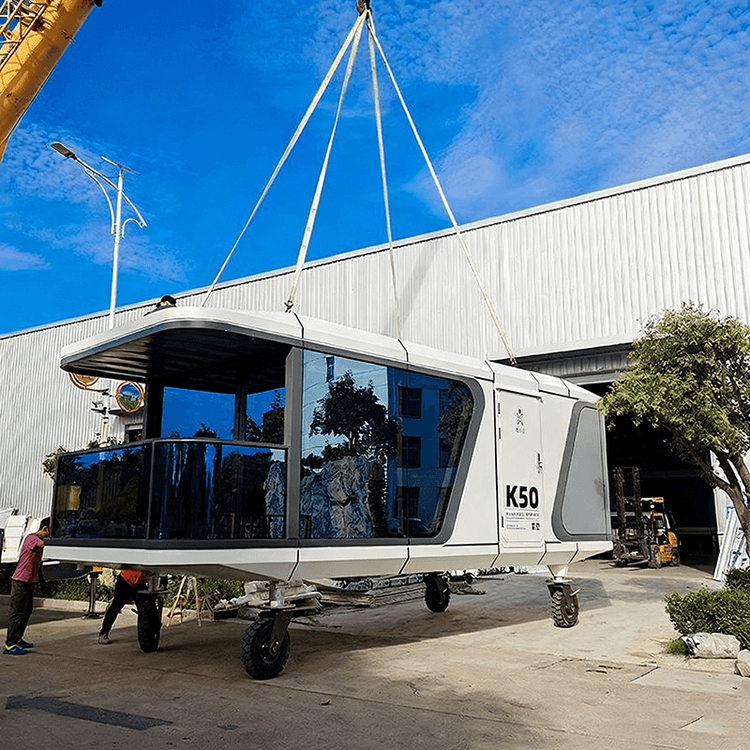
How About Heze Mobile Toilet Panels
Heze mobile toilet panels exhibit good overall performance, with certain advantages in terms of materials, structure, and cost, meeting the usage needs of various scenarios.
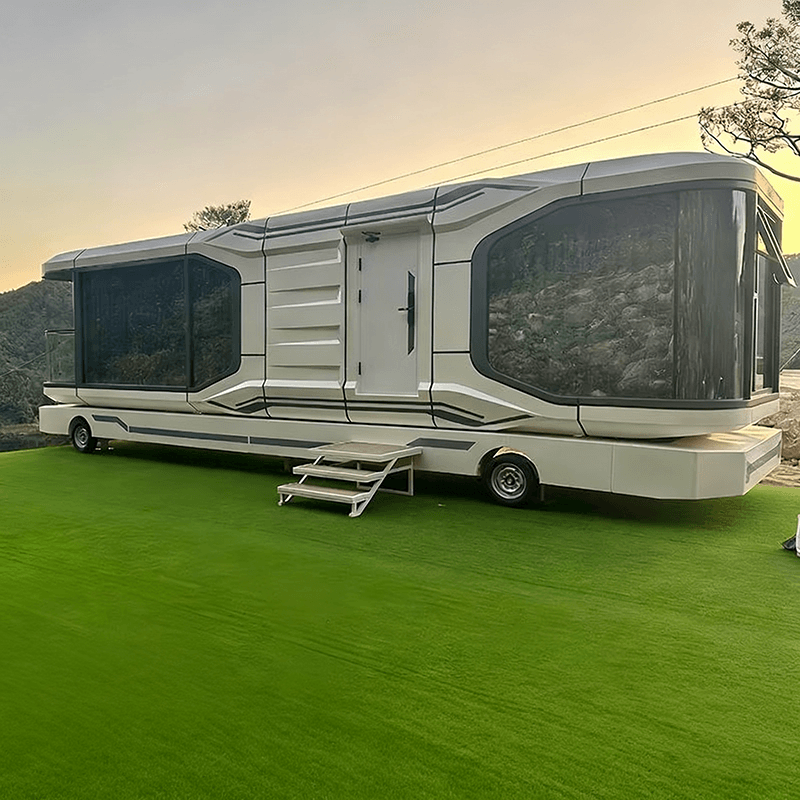
Materials: Heze mobile toilet panels utilize a variety of eco-friendly materials. The exterior walls commonly employ metal insulated decorative panels, aluminum-plastic panels, or color-steel sandwich panels. These materials maintain stable colors and can be cleaned simply by flushing with water, without fading or peeling. They are resistant to ultraviolet radiation, moisture, and acid-base erosion, and are not prone to aging. Additionally, they are tough, not easily damaged, and offer strong sound insulation and thermal insulation properties, being less likely to break or crack upon external impact. Moreover, these materials possess self-extinguishing flame-retardant properties, meeting the standard for difficult-to-ignite materials. Among them, the metal decorative panels have stable chemical and physical structures, do not decompose or mold, are radiation-free and pollution-free, and are environmentally friendly, providing a safe and comfortable environment for users.
Structure: The mobile toilet panels are composed of a frame structure welded from steel. The base is generally welded using channel steel or I-beams, with square steel used for the columns, and wall materials installed on the wall foundation. This structural design ensures the overall stability of the toilet, enabling it to withstand certain external forces and ensuring safety during use. Furthermore, the steel frame is easy to install and dismantle, facilitating movement and reconfiguration, making it suitable for various temporary or frequently relocated locations.
Cost: Taking portable prefabricated toilet houses (a type of mobile toilet) as an example, a single-story portable prefabricated house costs approximately 100 yuan per square meter, while a double-story one starts at 200 yuan per square meter. However, the final cost is also influenced by factors such as material costs, labor costs, and site rental fees. Additionally, factors like the construction location, usage duration, and quality requirements are also crucial, as different usage scenarios and needs can lead to variations in cost. Overall, the cost is relatively reasonable and can be selected according to different budgets and requirements.