
Back to blog
Article
Heyuan Temporary Mobile Toilet Installation
Admin October 07, 2026
The installation of temporary mobile toilets in Heyuan should be carried out step-by-step according to the type (such as mobile type, simple construction type, packaged type, etc.), with the core process as follows:
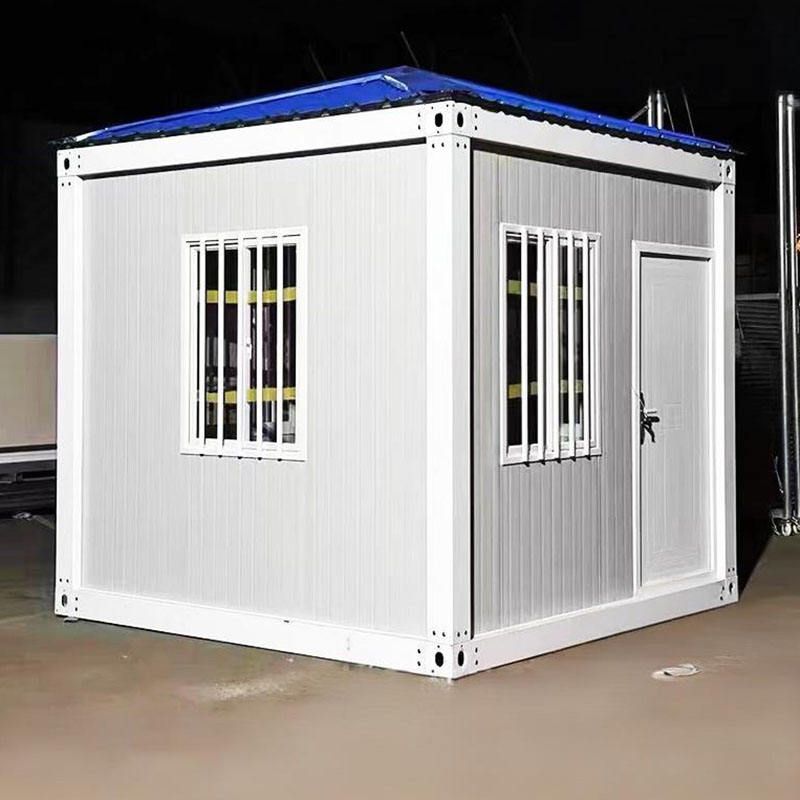
1. Preliminary Preparation
- Site Selection Requirements: Choose a flat and well-ventilated area, avoiding low-lying waterlogged areas, water source pollution zones, and densely populated walkways to ensure safety and environmental hygiene.
- Site Clearance: Remove obstacles such as debris and stones from the ground to keep the installation surface clean and avoid affecting equipment stability.
- Component Inspection: Check the equipment list to confirm that all components, including the main frame, toilet bowl, fecal storage tank, connectors, and seals, are complete and undamaged.
2. Foundation Fixing
- Mobile Toilets: Place the main body at the designated location and secure the bottom corners with expansion screws or press the base tightly with counterweights (such as concrete blocks) to prevent shaking during use.
- Simple Construction Toilets: Assemble the metal or bamboo frame according to the instructions, ensuring vertical and horizontal alignment; lay a waterproof membrane on the ground to prevent soil contamination from leakage.
- Packaged Toilets: Since no external piping network is required, simply fix the main body and focus on checking whether the mechanical packaging system (such as the compression device and seal bag slot) is properly installed.
3. Core Component Installation
- Toilet Bowl and Sewage System:
- Connect the toilet bowl's sewage outlet to the fecal storage tank and reinforce it with a sealing rubber ring or silicone strip to ensure no leakage.
- For water-flush toilets, connect the water pipe to the water tank and test the water pressure for stability; for dry toilets, fix the position of the fecal storage tank and reserve a cleaning access.
- Packaged Toilet Mechanical System: Install the automatic packaging device and adjust the compression force and seal bag replacement mechanism to ensure that waste can be effectively compressed and sealed.
4. Auxiliary Facility Assembly
- Doors, Windows, and Sealing: Install doors and windows and adjust their opening and closing flexibility; seal gaps with sealing strips to prevent odor diffusion.
- Safety Accessories: Install convenience facilities such as handrails and hooks, and lay anti-slip mats on the ground to reduce the risk of slipping.
- Electrical System: Connect the power supply for lighting and exhaust fans, and test whether the power is on normally to avoid short circuits or electric leakage.
5. Sealing and Debugging
- Sealing Inspection: Focus on checking the connections of the toilet bowl, fecal storage tank, doors, and windows, and fill gaps with silicone strips or sealant.
- Function Testing: Simulate usage scenarios to test functions such as flushing, sewage discharge, and packaging to ensure no blockage, leakage, or mechanical failure.
- Cleaning and Supply Placement: Clean up installation residues and place consumables such as toilet paper and deodorizers to enhance the user experience.
6. Safety Acceptance
- Structural Inspection: Confirm the overall stability, shake the main body to test for no looseness, and check whether screws and connectors are tightened.
- Labeling and Record-keeping: Post emergency contact information, usage instructions, and maintenance schedule tables inside the toilet to complete the final acceptance.
Tip: Different types of toilets (such as eco-friendly type, vehicle-mounted type) may require additional or reduced steps. It is recommended to refer to the product manual for operation first and contact the manufacturer's technical support if necessary.



