Mobile Toilets in Heping District
Mobile toilets in Heping District are designed as portable sanitation facilities to address the conflict between high pedestrian traffic density and limited public space in urban core areas. Through modular technology, they enable rapid deployment and flexible allocation, effectively alleviating toilet pressure during peak hours.

I. Service Demand and Application Scenarios
As an urban core area, Heping District experiences significant demand for mobile toilets due to the concentration of large-scale festivals (such as the Begonia Flower Festival), street markets, road construction, temporary parking lots, and the Wudadao tourist area. For example, during the Begonia Flower Festival, six mobile toilets were deployed, with temporary points added to disperse pedestrian pressure and avoid queues caused by insufficient capacity at traditional fixed toilets. Their core value lies in rapid response to sudden demands, such as relocating toilets in construction areas according to project progress to minimize impacts on residents' lives.
II. Product Technical Features
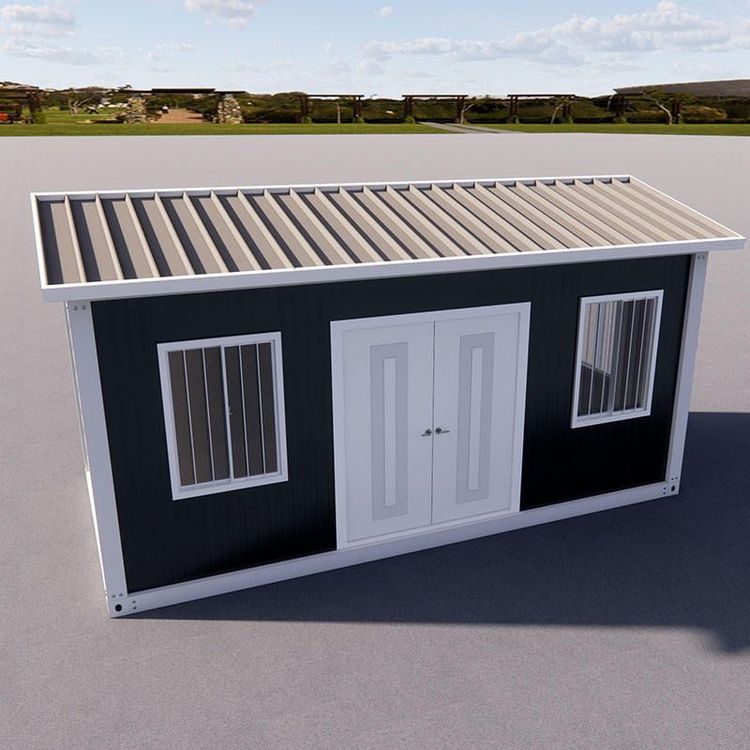
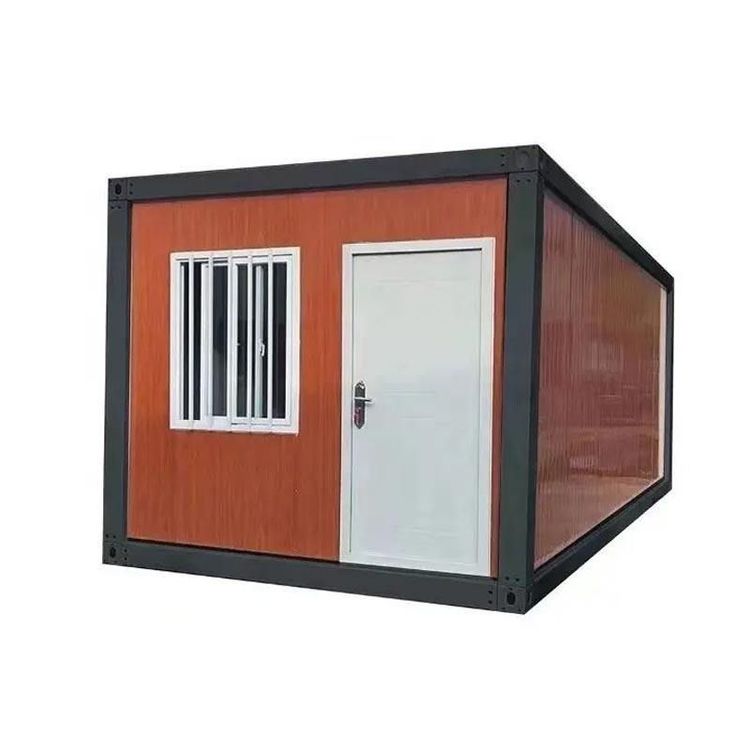
- Modular and Adaptive Design: The toilet bodies are made of high-strength composite materials with anti-corrosion, moisture-proof, and UV-resistant properties, suitable for long-term outdoor use. The modular structure supports rapid assembly and disassembly, with a single unit deployable within 2 hours to meet emergency needs.
- Environmental Protection and Smart Configuration: Internally equipped with water-saving flushing systems (reducing single-flush water consumption by 40% compared to traditional toilets), ventilation and deodorization devices, and barrier-free facilities, some premium models integrate solar power and smart sensors for low-energy operation. Waste disposal methods are flexible, supporting direct discharge into municipal sewers or built-in biodegradation units. For example, biodegradation technology can convert waste into harmless fertilizer, reducing sewage transportation costs.
- Remote Operation and Maintenance Capability: Through IoT technology, real-time monitoring of equipment status is achieved, with data such as waste tank levels and equipment failures synchronized to a management platform. Maintenance personnel can schedule cleaning vehicles or replace spare units in advance to ensure service continuity.
III. Maintenance Process and Reliability Assurance
The maintenance process is divided into three stages:
- Before Use: Conduct comprehensive disinfection and functional testing, such as checking flushing system pressure and ventilation airflow.
- During Use: Clean the waste tank every 50 uses and replenish disinfectant and water to prevent odor spread.
- After Use: Perform deep cleaning of the toilet body interior and inspect easily damaged parts like chassis traction structures and seals to ensure equipment reusability.
Reliability standards include maintaining a spare unit reserve sufficient to replace faulty equipment within 2 hours, with disinfection records traceable to specific operators and times to comply with public health and safety regulations.
IV. Industry Support and Technological Development
Excellent factories have obtained ISO quality management system certification and environmental production standards, using automated production lines to enhance product consistency. For example, optimized sealing structures reduce leakage rates to below 0.1%, and lightweight designs reduce the weight of a single unit by 30% compared to traditional models, facilitating manual handling. The widespread adoption of IoT technology has increased equipment utilization by 20%, such as by analyzing peak usage data to pre-allocate resources to key areas, further alleviating toilet pressure.