
Hengyang Mobile Toilet Design
The design of mobile toilets in Hengyang needs to comprehensively consider aspects such as configuration, functionality, appearance, and basic facility setup to meet usage demands in different scenarios.
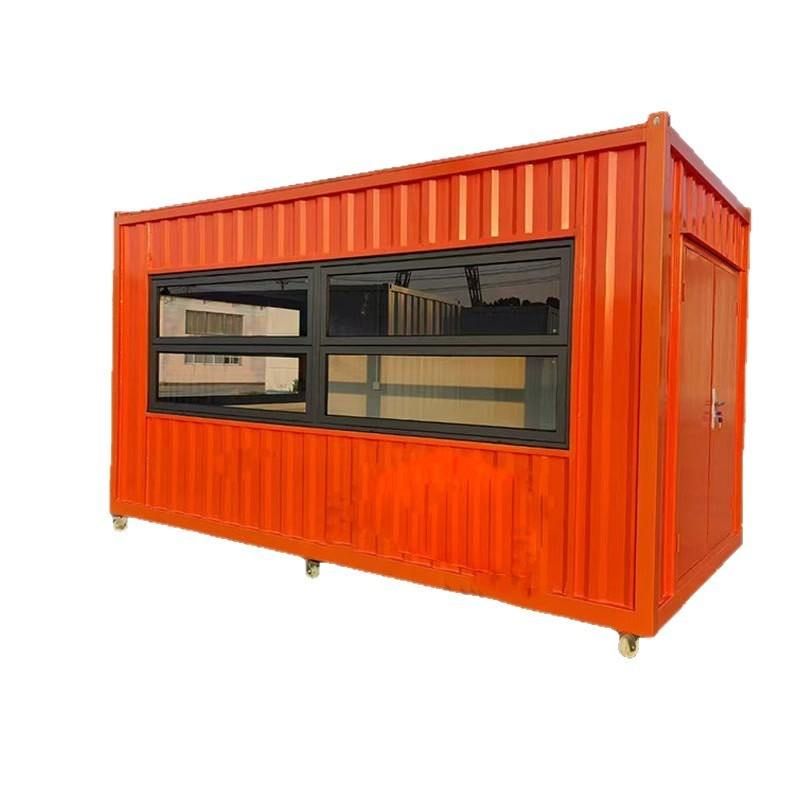
Configuration Design: In rural cultural and tourism activities, the number of mobile toilets should be determined based on the scale of the event. Generally, it is recommended to configure one mobile toilet for every 50 - 100 visitors, with a male-to-female toilet ratio of 1:1.5 - 2 to alleviate female queuing issues. The location selection should balance convenience and safety, prioritizing areas with high foot traffic, such as main entrances, viewing platforms, and near dining areas, and should be no more than 50 meters from major activity points. Avoid low-lying areas prone to waterlogging, geologically unstable regions, and keep away from fire sources and pollution sources. During peak hours, additional temporary mobile toilets or portable restrooms can be added to supplement capacity. Some scenic spots adopt a dynamic allocation plan of 'female toilets first,' adjusting the number of open toilet stalls based on real-time foot traffic.
Functional Design: Modern mobile toilets emphasize intelligence and user-friendliness. Products from brands like Jiejie Environmental Protection are equipped with dedicated handrails, sensor-based flushers, and other electrical devices to enhance usability. They feature dedicated母婴 rooms (mother-and-baby rooms) and rest areas to meet the needs of special groups. They adopt waterless flushing technology, using an automatic control system to realize functions such as lighting, ventilation, occupancy indication, feces and urine identification, feces flushing, temperature regulation, and fault alerts, all without manual intervention, making them both eco-friendly and efficient.
Appearance Design: Mobile toilets support customization according to needs, with a variety of material, specification, and color options. Their external dimensions can be adjusted based on site requirements, with a reasonable internal space layout and an elegant and stylish decoration style that can blend into the natural environment while enhancing the overall image of the scenic spot.
Basic Facility Setup: A reasonably configured mobile toilet should include basic facilities such as sinks, toilet paper, and hand soap. Where possible, barrier-free facilities such as ramps and handrails can be added to facilitate use by disabled individuals. Temporary portable restrooms should be equipped with squat toilets, sinks, door locks, light bulbs, exhaust fans, etc., with slip-resistant flooring to ensure safety. The completeness of these facilities directly affects the user experience and should be flexibly adjusted according to actual needs.



