
Hengshui Rental Mobile Toilet Models
The main rental mobile toilet models in Hengshui include glass mobile toilets, flush-type toilets, foam-sealing mobile toilets, trailer-mounted and standalone mobile toilets, as well as microbial-degrading waterless mobile toilets. Here are the specific classifications and their characteristics:
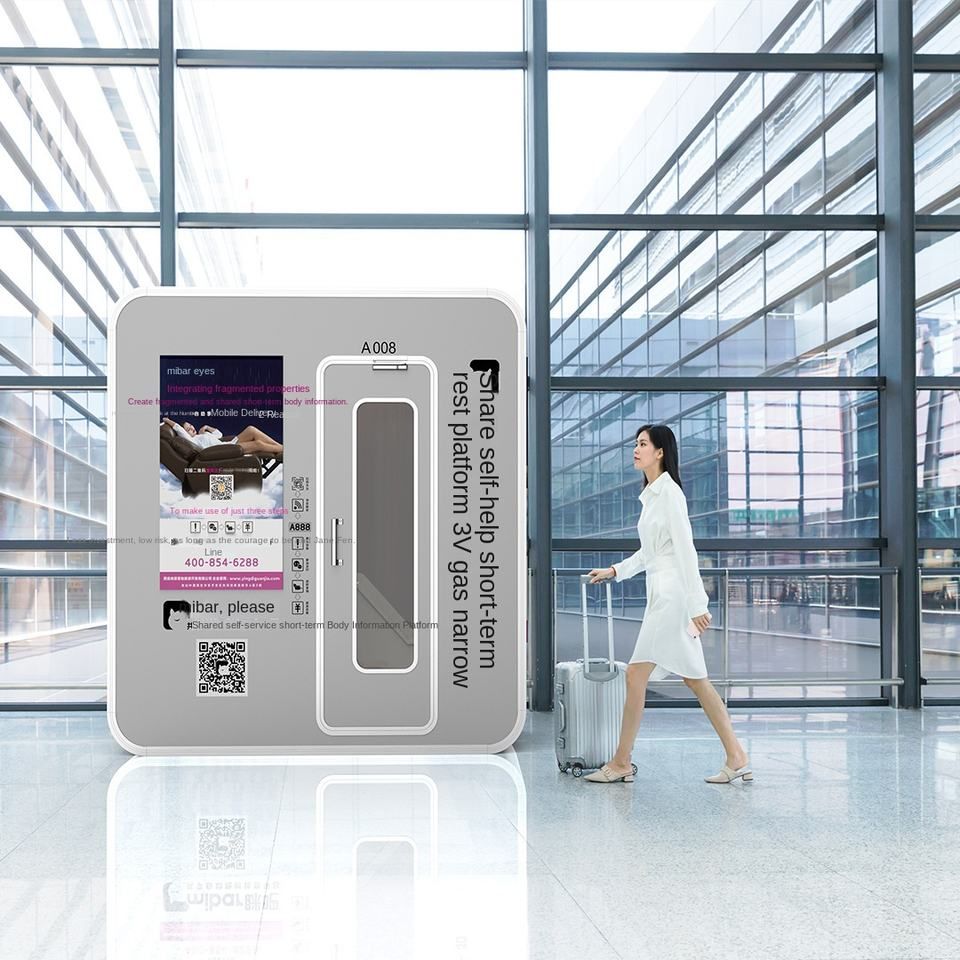
Glass mobile toilets use transparent or semi-transparent glass as their primary material, offering a strong sense of modernity and good lighting. Their structure typically combines tempered glass with a metal frame, ensuring both safety and aesthetic appeal. These toilets are often used in scenic spots, commercial streets, and other locations with high environmental harmony requirements. Their internal configurations are similar to those of conventional mobile toilets, but their appearance blends more easily with the surrounding landscape.
Flush-type toilets are an upgraded version of traditional mobile toilets, utilizing a water tank or municipal water supply system for flushing. Their key advantages include high cleanliness and effective odor control, making them suitable for areas with high foot traffic. Some models are equipped with water-saving devices, effectively reducing water consumption and meeting environmental protection requirements.
Foam-sealing mobile toilets replace traditional flushing methods with foaming liquid, using foam to cover excreta for sealing and deodorization. This technology significantly reduces water usage, requiring only about 0.2 liters of foaming liquid per use, and the foam layer effectively blocks odor diffusion. These toilets are suitable for water-scarce areas or temporary large-scale events, with lower operating costs.
Trailer-mounted and standalone are the two main structural types of mobile toilets. Trailer-mounted toilets are connected to vehicles via a towing device, facilitating rapid transportation and deployment, and are commonly used in emergency rescue, outdoor music festivals, and other scenarios. Standalone toilets, on the other hand, have a self-supporting structure and do not require external traction, allowing for more flexible installation positions, suitable for long-term fixed use or areas with complex terrain.
Microbial-degrading waterless mobile toilets employ biodegradation technology, using specific bacteria to decompose excreta into harmless substances. This model does not require connection to water and electricity systems, achieving true zero emissions, and is particularly suitable for ecologically protected areas, remote mountainous regions, and other areas with weak infrastructure. Its processing cycle is about 24 hours, with no risk of secondary pollution.



