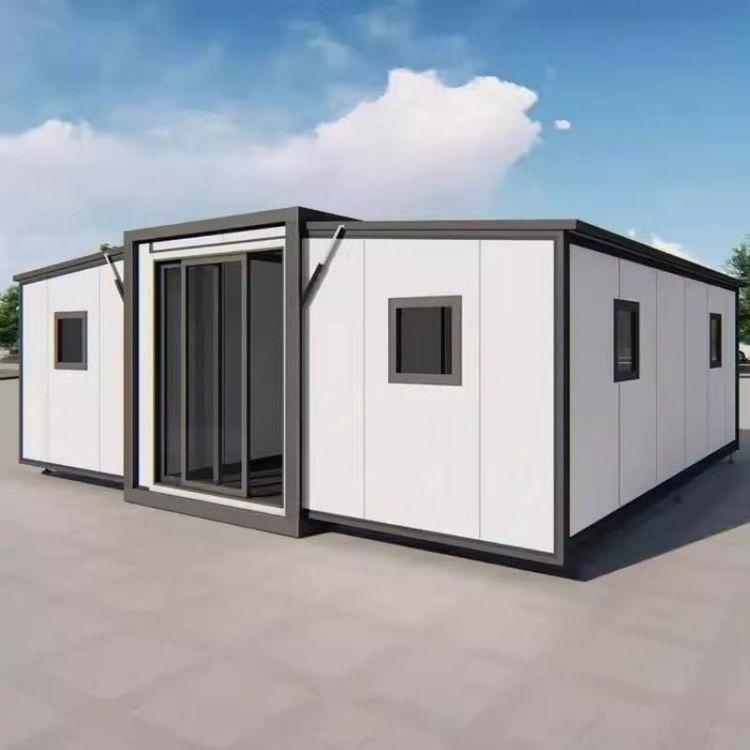
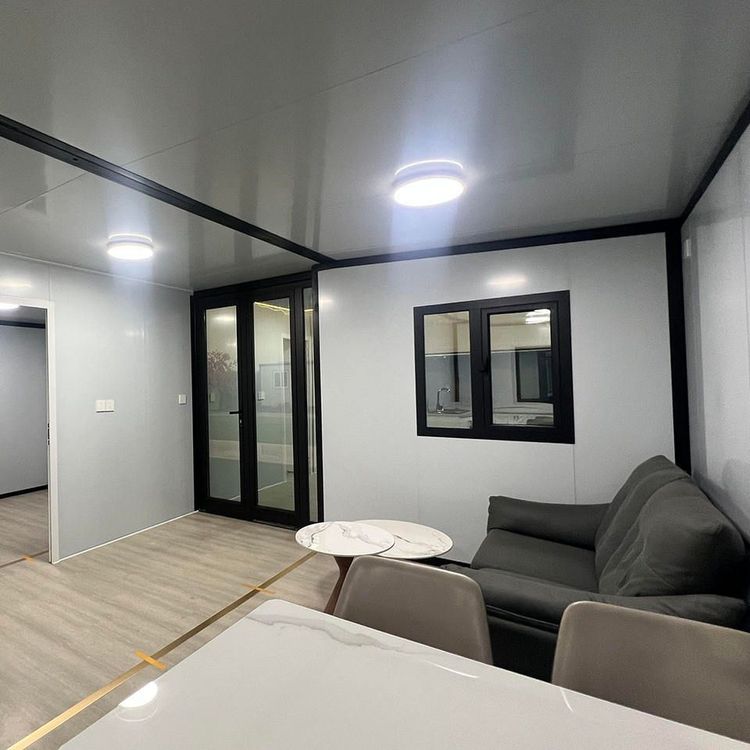
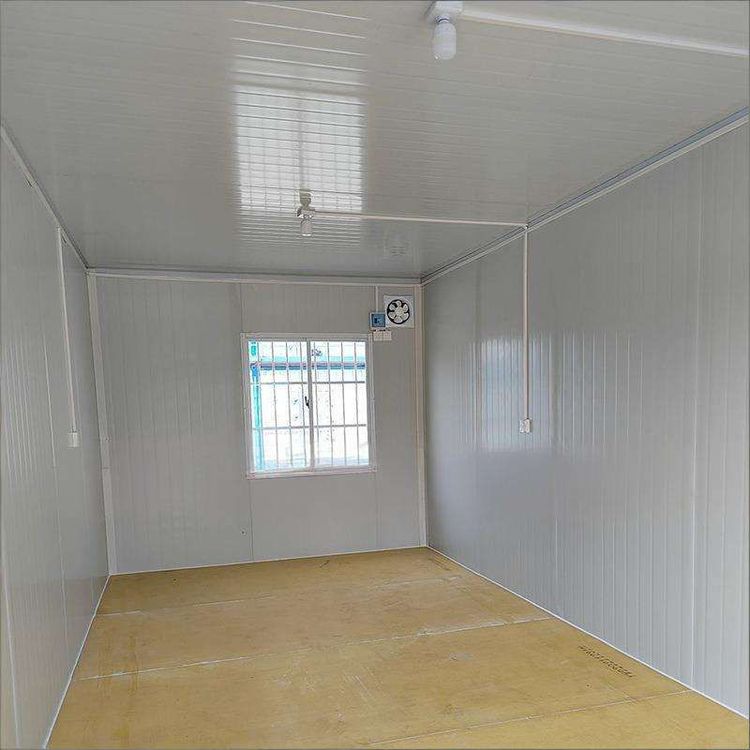
Hengli Container House
The rectification campaign in Hengli Town mainly targets illegally constructed container houses used for residential purposes that pose safety hazards. Legally compliant customized container houses (such as those for cultural tourism and commercial use) can be normally used as long as they meet the standards.

I. Core Content of the Rectification Campaign in Hengli Town
The Comprehensive Administrative Law Enforcement Office of Hengli Town, in collaboration with multiple departments, has launched a special rectification campaign, focusing on cracking down on the illegal act of stacking containers on factory grounds and transforming them into houses. During the campaign, a total of 205 illegally constructed "container houses" have been demolished, and approximately 4 tons of garbage have been cleared. The main targets of the rectification are the phenomena of unauthorized modification of containers for group rentals. These houses have major safety hazards such as messy electrical wires, poor ventilation, and the use of gas for cooking. Moreover, they have not obtained legal construction permits and are considered illegal constructions.
II. Legal Application Scenarios of Container Houses
Cultural Tourism and Commercial Support
As an important branch of modular buildings, customized container houses are widely used in cultural tourism attractions, commercial districts, and other scenarios. For example, Dongguan Yashun Light Steel Structure Co., Ltd. provides services such as customized container house restrooms and homestays. Its products need to meet the qualification requirements of Grade II professional contracting for steel structure engineering and Grade II professional contracting for building decoration and renovation engineering, and pass certifications such as the quality management system and the environmental management system to ensure safety and compliance.Municipal and Public Facilities
Container houses can be used for municipal support scenarios such as temporary offices, construction enclosures, and security posts. For example, in the container relocation project in the northern area of the First Affiliated Hospital of Sun Yat-sen University (Nansha), containers are used for the temporary placement of medical facilities and need to comply with hospital construction standards and fire protection regulations.
III. Key Standards for Legal Container Houses
Structural Safety
They need to adopt welded fixed or disassembled structures and have wind and earthquake resistance capabilities (such as wind resistance of Grade 9 and earthquake resistance of Grade 8). The materials should use fire-resistant and anti-corrosive materials such as galvanized frames and color-steel sandwich panels to ensure high-temperature resistance (≤50℃) and low-temperature resistance (≤-50℃).Functional Compliance
The internal wiring needs to be pre-installed in the factory and equipped with safety devices such as circuit breakers. The discharge of domestic water needs to be purified through a sewage treatment system. Container houses used for residential purposes need to meet basic requirements such as ventilation, lighting, and fire protection, and the unauthorized modification of gas facilities is prohibited.Qualifications and Approvals
The construction party needs to obtain professional contracting qualifications for steel structure engineering and building decoration and renovation engineering, and pass certifications such as work safety licenses and environmental management systems. The project needs to be approved by departments such as planning and fire protection, and the unauthorized occupation of public spaces or factory grounds is strictly prohibited.