
Henan Shangqiu Mobile Toilet Inspection
The inspection of mobile toilets in Shangqiu, Henan, should focus on three key aspects: structural safety, hygiene compliance, and electrical safety. The specific inspection points are as follows:
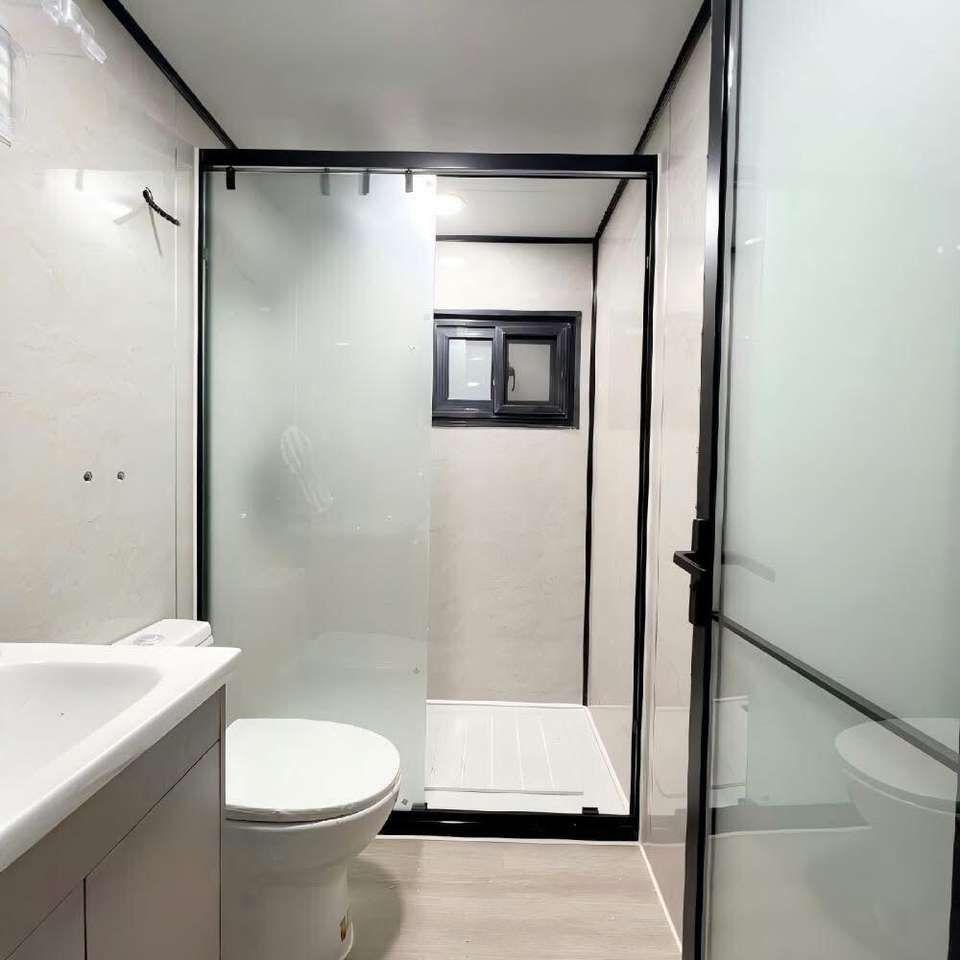
I. Structural Safety Inspection The structural stability of mobile toilets must be verified through calculations for wind resistance, earthquake resistance, and load-bearing capacity. Dead load refers to the self-weight of the toilet (such as walls, roofs, and equipment), and it is essential to ensure that the structural load-bearing design complies with building codes. Live load includes dynamic weights from human activities and cleaning equipment, and reasonable values should be set according to the usage scenario (for example, the standard live load for public toilets is typically 2.5 kN/㎡). Wind load inspection should be conducted in conjunction with the wind pressure values in the Shangqiu area (refer to the "Building Structural Load Code") to assess the toilet's wind resistance, with particular attention to checking the connection nodes of lightweight materials (such as color-coated steel sheets) for firmness. Seismic action should be calculated based on the seismic fortification intensity in Shangqiu (usually 6 degrees or 7 degrees) to ensure that the structure does not collapse or undergo severe deformation during an earthquake. Additionally, material parameters (such as steel strength and concrete mix ratios) must meet design requirements to avoid safety hazards caused by material degradation.
II. Hygiene Compliance Inspection When renting mobile toilets, reputable companies should provide a hygiene inspection report that covers microbial indicators (such as Escherichia coli and total bacterial count), air quality (concentrations of odor substances like ammonia and hydrogen sulfide), and compliance of the sewage disposal system. For example, septic tanks should have anti-leakage designs, and waste disposal should comply with the "Urban Public Toilet Hygiene Standards". If water-flush toilets are used, the water quality should be tested to ensure it meets the standards for drinking water. Furthermore, the toilet interior should be equipped with ventilation equipment to ensure timely removal of odors and avoid affecting the user experience.
III. Electrical Safety Inspection If temporary power supply lines are laid for mobile toilets (such as for lighting and exhaust fans), the lines must be inspected and approved by a third-party inspection agency before use. The inspection focuses on the insulation performance of the lines (the insulation resistance value should be ≥0.5 MΩ), grounding protection (the grounding resistance value should be ≤4 Ω), sensitivity of the leakage protection device (the operating current should be ≤30 mA), and the规范性 (regularity) of line laying (avoiding unauthorized connections). Electrical components (such as switches and sockets) should have 3C certification to prevent fires or electric shocks caused by electrical faults.
Summary: The inspection of mobile toilets in Shangqiu should comprehensively consider structural, hygiene, and electrical aspects to ensure they meet safety standards for use. When renting, priority should be given to reputable companies that can provide complete inspection reports, and professional agencies should be commissioned to conduct re-inspections before use to mitigate potential risks.



