Henan Prefabricated Concrete House
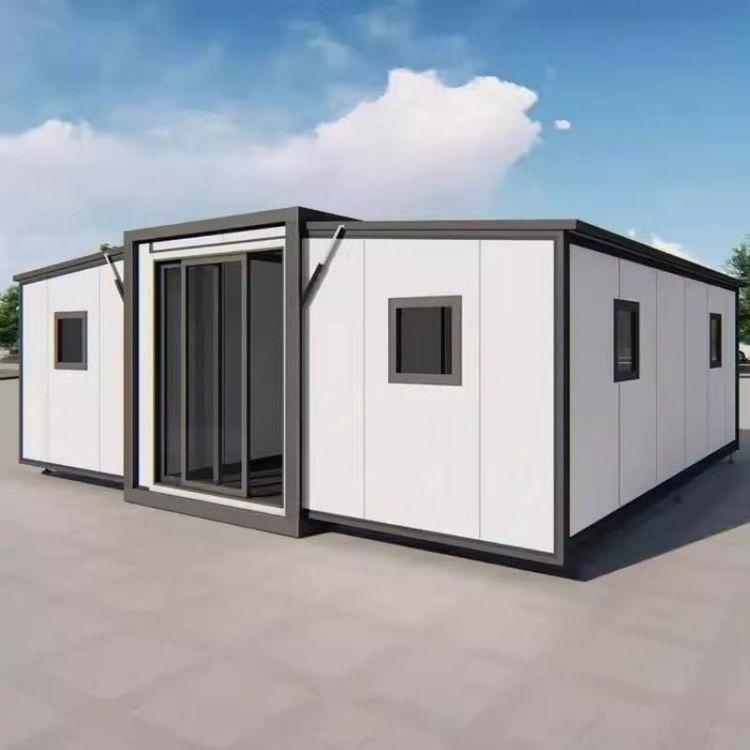
Henan prefabricated concrete houses are an innovative form of housing that uses reinforced concrete materials, offering rapid construction and lower costs. The following provides an introduction from the aspects of construction characteristics, cost advantages, performance, and existing shortcomings:

Construction Characteristics: The construction process of Henan prefabricated concrete houses is similar to building with blocks. Components such as concrete slabs are prefabricated first and then transported to the construction site for assembly. A team of several workers can complete the assembly of a villa in just four hours, and constructing an entire building takes only two days, significantly shortening the construction cycle and improving building efficiency.
Cost Advantages: In terms of cost, these houses offer significant advantages. The cost per square meter is only around 300 RMB, and the cost of constructing a large villa is just over 100,000 RMB, far lower than that of traditional brick-and-mortar structures. For rural residents looking to improve their living conditions but with limited funds, these houses represent a very economical choice.
Performance: From a structural performance perspective, Henan prefabricated concrete houses are sturdy and durable, with a warranty period of 70 years, providing residents with long-term and stable living security. This is due to the use of reinforced concrete materials, which offer high strength and stability, enabling them to withstand certain external forces.
Existing Shortcomings: However, these prefabricated houses also have some shortcomings. In terms of design, they may lack flexibility and find it difficult to meet the diverse and personalized needs of residents. In terms of thermal insulation performance, further research and improvements are needed to enhance the living comfort of the houses. For earthquake-prone areas, their seismic performance also needs to be strengthened to ensure that the houses remain relatively stable during natural disasters such as earthquakes, safeguarding the lives and property of residents.