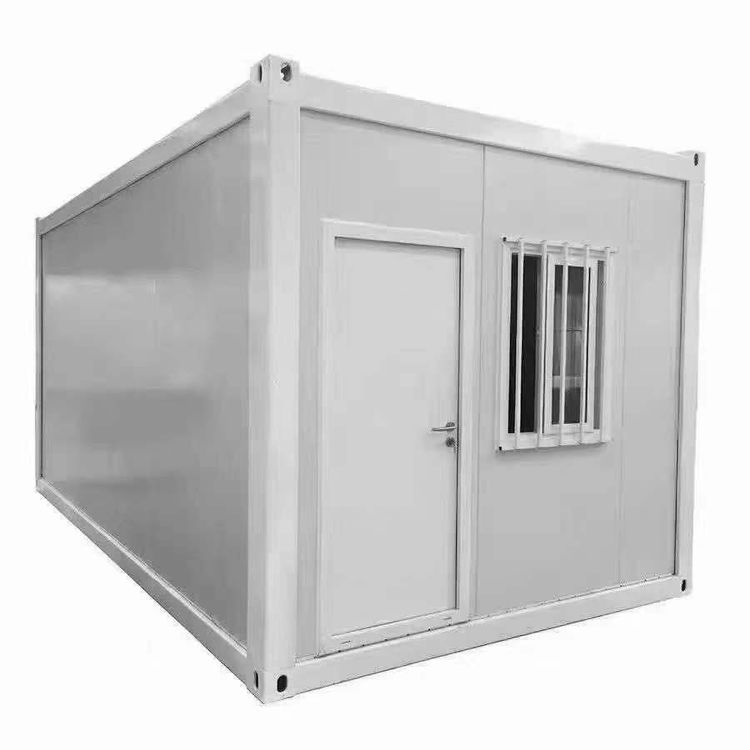
Henan Outdoor Mobile Toilet Installation
The installation of outdoor mobile toilets in Henan requires following the steps and precautions below:

Site Selection and Foundation Inspection
Before installation, prioritize selecting an area with a flat terrain and good drainage to avoid low-lying areas prone to waterlogging or soft ground. If the ground is soft, such as grass or sand, lay crushed stones or wooden planks in advance to create a solid foundation. Also, check that the support feet at the bottom of the toilet are intact, ensuring there are no missing or damaged parts to prevent tilting after installation due to uneven support.
Basic Installation Requirements
After the equipment arrives on site, strictly follow the instructions to fix its position, ensuring the toilet is level overall and harmonious with the surrounding environment. The standard size of a mobile public toilet is usually 2.4m×1.8m. When installing, the spacing between adjacent toilets should be no less than 1.5m to avoid overcrowding that affects usage or maintenance.
Fixing Methods
- Ground Anchor Fixing Method: At the four corners or key load-bearing positions of the toilet, use expansion screws or ground anchor nails to connect the fixing chains (straps) to the ground. If the site allows, drive concrete blocks or counterweight blocks into the bottom of the toilet to enhance stability. The depth of the ground anchors should exceed 30 centimeters to ensure sufficient pull-out resistance and prevent displacement due to strong winds or external forces.
- Windbreak Rope and Diagonal Pull Fixing: Install windbreak ropes at the top of the toilet and fix the other ends to ground stakes or heavy objects (such as stones or concrete blocks). If the wind is strong, adopt a "well"-shaped diagonal pull method, using nylon ropes or steel cables to tighten the toilet body from different angles and disperse the impact of the wind.
- Additional Counterweight Plan: If the site is temporarily restricted (such as hard ground where ground anchors cannot be driven), add heavy objects such as sandbags or water tanks inside or outside the toilet. For example, place 2-3 bags of 20-kilogram sandbags on each side of the toilet or use a water tank filled with water to enhance stability through gravity. The counterweights should be evenly distributed to avoid tilting due to excessive weight on one side.
Configuration of Supporting Facilities
Install the water supply and drainage system simultaneously to ensure the normal flushing function. If it is a waterless flushing toilet, check that the capacity of the fecal storage tank meets the usage requirements and plan the cleaning cycle in advance to avoid fecal overflow or odor diffusion.
Regular Inspection and Emergency Reinforcement
After the end of each day during the event, check whether the fixing devices (such as ground anchors and windbreak ropes) are loose. In case of rain or strong wind warnings, reinforce the windbreak ropes in advance and add temporary supports (such as wooden stakes or steel pipes) if necessary. If slight tilting of the toilet is found, stop using it immediately and refix it. Do not force its use to prevent safety accidents.