
Henan Nanyang Cement Prefabricated House
Henan Nanyang cement prefabricated houses are constructed by assembling factory-prefabricated modules on-site, offering advantages such as low cost and fast construction speed, but also having shortcomings in sound insulation and property rights.
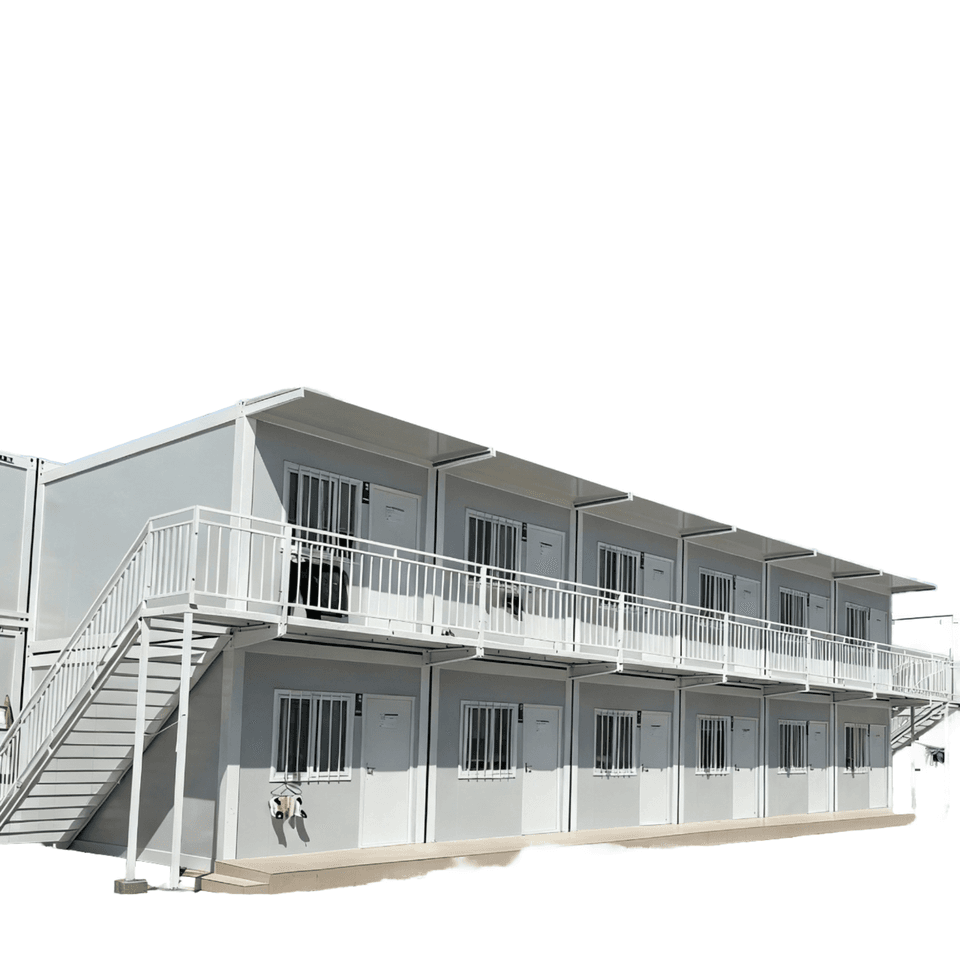
Core Advantages:
- Low Cost: The construction cost of the main body of a 120-square-meter house is approximately 120,000 - 150,000 yuan, which is 30% lower than that of traditional buildings. The cost per square meter is only a little over 300 yuan, and the cost of a large villa can also be controlled at just over 100,000 yuan.
- Fast Construction Speed: After the factory-prefabricated modules are transported to the site, a few workers can complete the assembly of a villa within 4 hours, and the entire building only takes 2 days.
- Strong Earthquake Resistance: The structure can withstand magnitude-8 earthquakes and is suitable for earthquake-prone areas.
- Convenient Local Supply: There are local suppliers in Nanyang (such as Yuanfa Building Materials in the Vocational Education Park) that provide standard-sized prefabricated modules with a coverage radius of up to 150 kilometers.
Main Disadvantages:
- Average Sound Insulation: There may be gaps at the joints of the modules, resulting in sound insulation performance weaker than that of traditional buildings.
- Limited Property Rights: They are temporary buildings and cannot obtain property certificates. For long-term use, attention should be paid to policy risks.
- Low Design Flexibility: The module sizes are fixed, and the internal space layout is restricted, making it difficult to meet personalized needs.
- Thermal Insulation to Be Improved: Some cases show that their thermal insulation performance needs to be enhanced through additional measures, especially in extreme climate areas.
Suitable Scenarios:
They are suitable for short-term residence, emergency housing, or low-cost transitional housing, such as construction site dormitories and post-disaster reconstruction. If long-term residence is required, it is necessary to comprehensively evaluate issues such as sound insulation, thermal insulation, and property rights, and choose a regular supplier to ensure the quality of the modules.
Improvement Directions:
Currently, some research is focusing on optimizing module connection processes to improve sound insulation and thermal insulation performance, while exploring more flexible design solutions to meet diverse needs.



