Back to blog
Article
Henan Mobile Public Toilet Installation
Admin October 16, 2026
The installation of mobile public toilets in Henan should follow standardized procedures, covering aspects such as rental preparation, installation implementation, and post-installation maintenance. Details are as follows:
I. Pre-Rental Preparations
- Clarify Requirements and Types Determine the number of public toilets based on the scale of the event and site conditions. Generally, allocate 1-2 standard units per 100 people, with additional units required for special scenarios (e.g., music festivals, exhibitions). Choose appropriate types, such as regular mobile toilets, accessible toilets, or mother-and-baby-specific toilets.
- Confirm Site Conditions The installation location should be level and have drainage facilities. Outdoor sites should avoid low-lying areas prone to water accumulation to prevent rainwater backflow. Indoor sites should reserve sufficient space to ensure safety distances between equipment and surrounding facilities (e.g., fire exits).
II. Rental Process and Considerations
- Select Reputable Suppliers Screen rental companies with good reputations through industry associations or online platforms, focusing on verifying their business licenses, service cases, and user reviews. When signing contracts, clarify delivery times, installation scope, and after-sales service terms (e.g., fault repair time limits) to avoid disputes.
- Cost Breakdown and Details Costs typically include equipment rental, transportation, installation, and basic maintenance. Confirm whether additional fees (e.g., deposits, overtime fees, damage compensation) apply. Request a detailed quotation in advance and clarify payment methods and schedules.
III. Installation and Layout Specifications
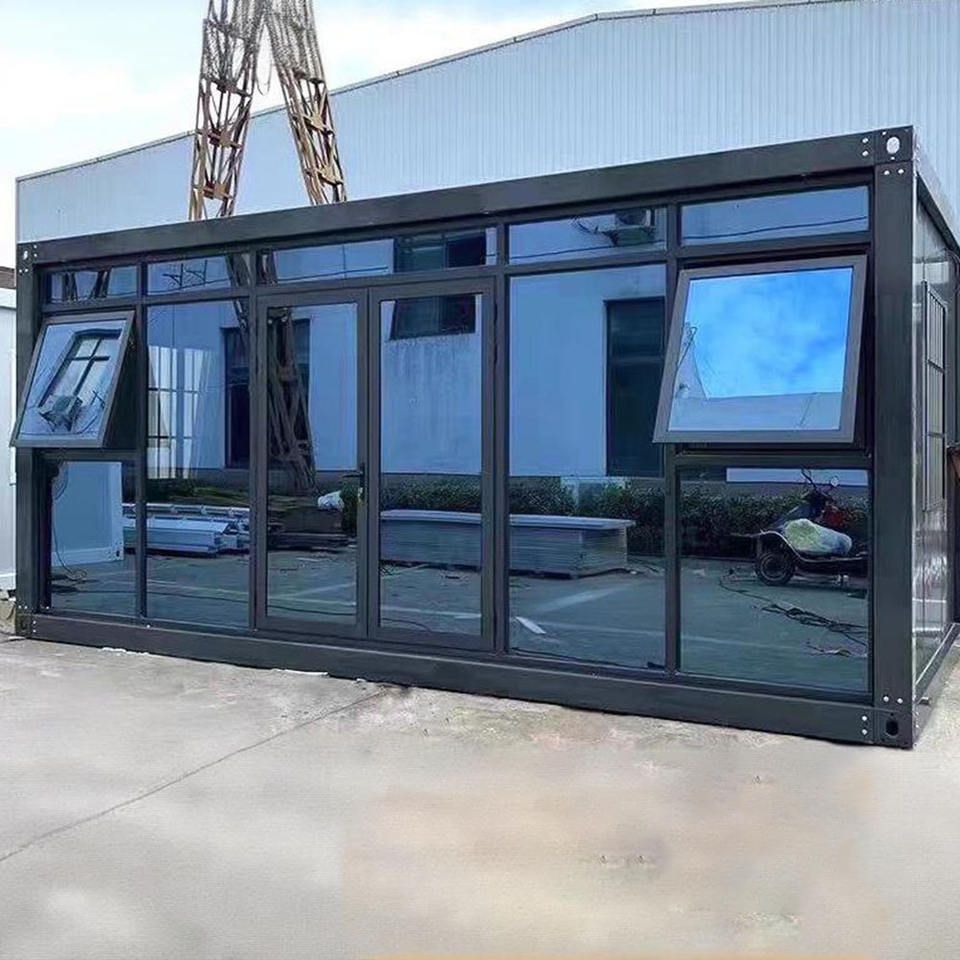
- Basic Installation Requirements After equipment arrives, fix it in position according to the instructions and use a level to ensure it is horizontal to avoid tilting that affects usability. Standard mobile toilet units typically measure 2.4m × 1.8m, with an installation spacing of no less than 1.5m to ensure ventilation and smooth personnel movement.
- Supporting Facility Configuration Install water supply and drainage systems simultaneously, connecting to municipal networks or providing water storage tanks to ensure normal flushing functions. For waterless flushing types (e.g., packaged toilets), check the fecal storage tank capacity (usually ≥200L) and plan cleaning cycles in advance (recommended once daily).
IV. Daily Management and Maintenance
- Cleaning and Disinfection Clean every 2 hours during high foot traffic and thoroughly disinfect at least once daily, focusing on high-contact areas such as door handles and flush buttons. Provide consumables like hand sanitizer and toilet paper and replenish them regularly.
- Emergency Response Mechanism Agree on fault response times with suppliers (generally within 2 hours for on-site repairs) and maintain backup equipment (e.g., temporary toilets) for emergencies. Secure equipment before severe weather (e.g., strong winds, heavy rain) to prevent displacement or damage.
Local Henan enterprises such as Qingzhigu Environmental Protection and Henan Jieyujie Environmental Protection Technology Co., Ltd. offer full-process services from R&D to after-sales support, customizing solutions based on project requirements.
Related