Henan Container House Standard
Currently, there is no unified local standard for container houses in Henan region. They mainly follow national and industry-related standards, while also needing to meet local building codes and safety requirements.
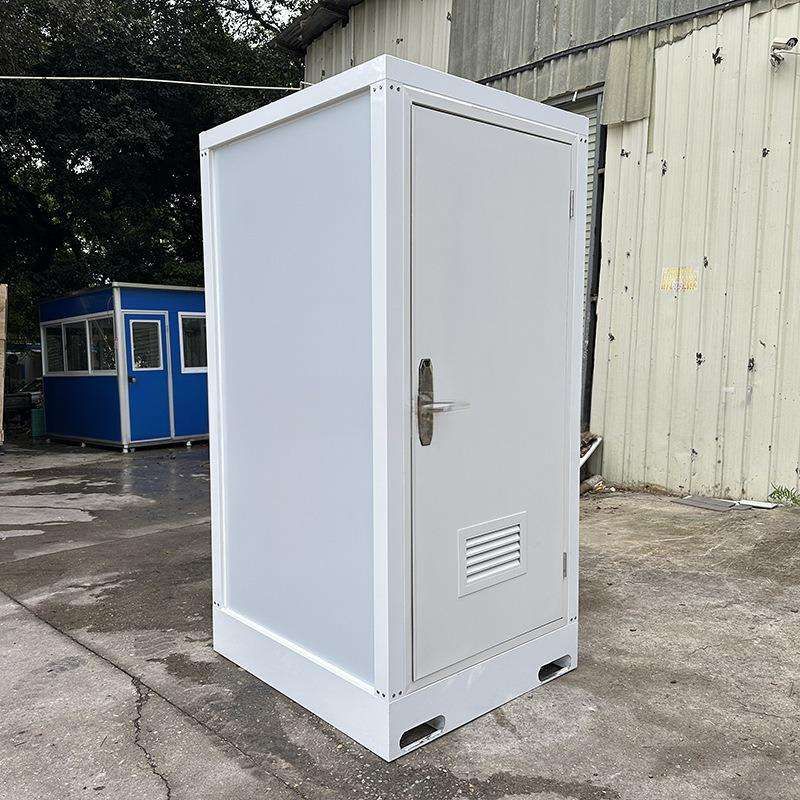
I. National Standards and Industry Specifications The production and acceptance of container houses must comply with documents such as the 'Quality Acceptance Standard for the Construction of Container Houses', covering three aspects: material quality, factory production quality, and on-site installation quality. For example, materials must pass inspections for steel and accessories; factory production must establish a quality traceability system, with key processes confirmed by resident factory representatives; on-site installation must check structural stability, fire resistance, and waterproofing measures. Additionally, container houses must meet safety requirements for earthquake resistance and wind resistance, such as some products being designed to withstand an earthquake intensity of 8 degrees and wind resistance levels verified through laboratory testing.
II. Technical Requirements for Practical Applications in Henan Region
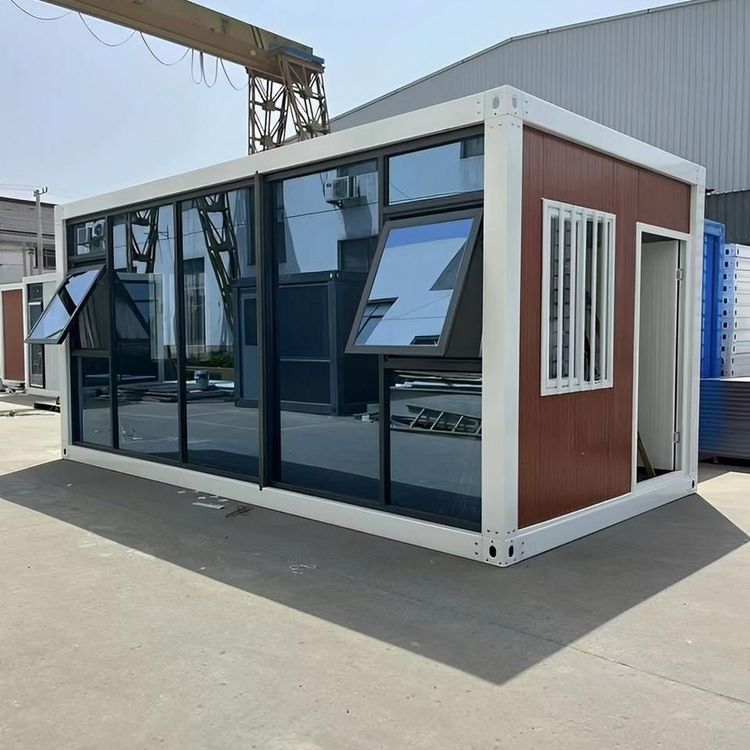
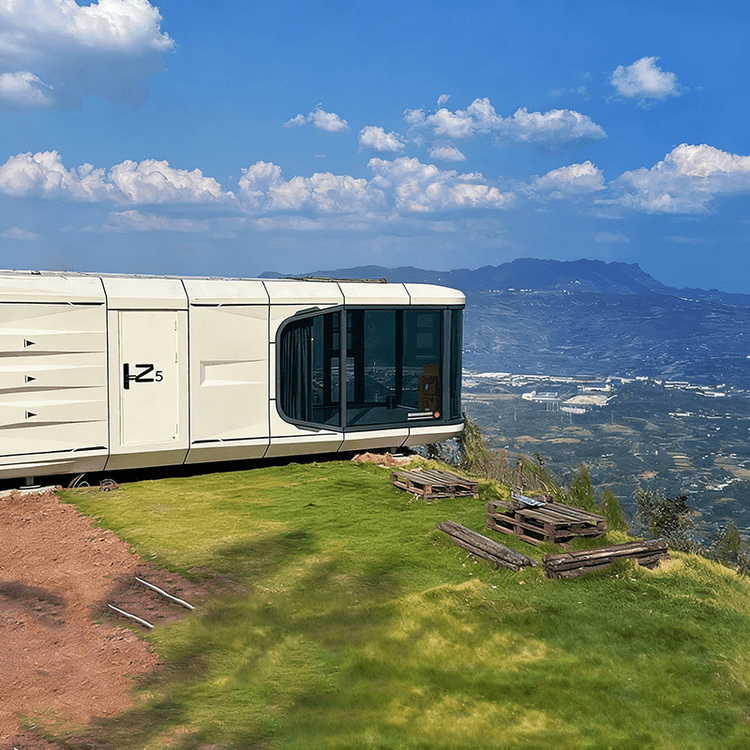
- Structure and Materials: Enterprises in Henan often use light steel structures or aviation aluminum shells, such as high-temperature galvanized steel welded frames combined with aviation aluminum shell technology, enabling structures to meet 8-degree earthquake resistance and 12-level wind pressure standards, with a service life of up to 50 years. Walls are filled with high-density fire-resistant rock wool or magnesium oxide boards, balancing insulation and flame-retardant needs.
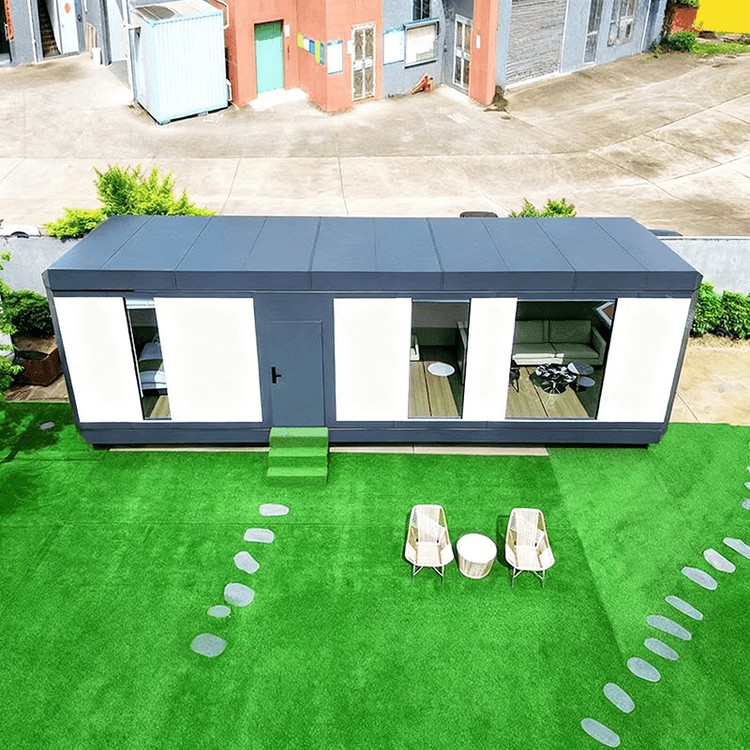
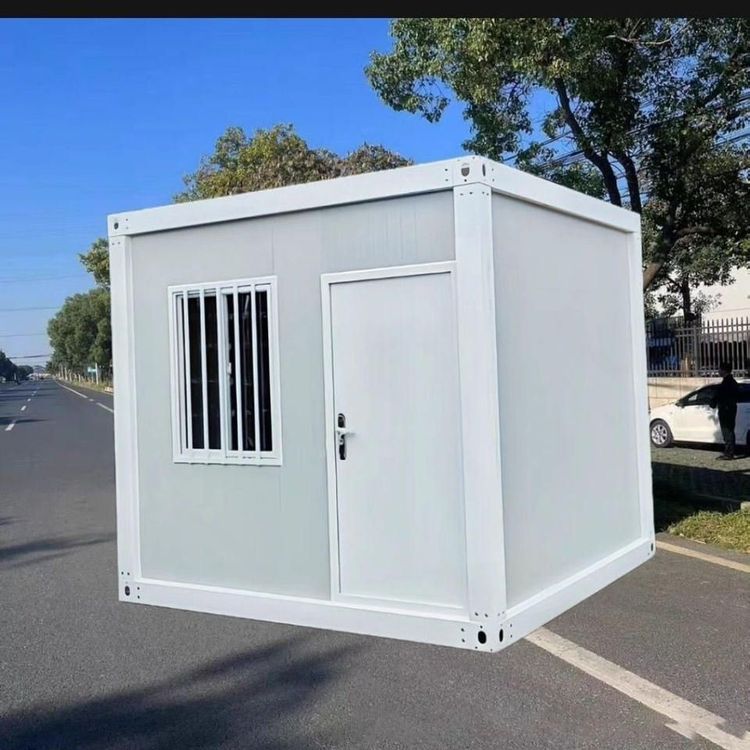
- Functional Classification: Based on usage, they are divided into residential types (such as space capsule homestays, hotel rooms), commercial types (such as mobile food stalls, scenic area sales kiosks), and public supporting types (such as mobile restrooms, temporary reception centers), with different types having varying requirements for spatial layout, functional zoning, and durability.
- Environmental Protection and Recycling: Modular design supports repeated disassembly and assembly, with high recycling rates for metal components, aligning with green construction principles and suitable for use in densely populated areas or ecologically sensitive zones.
III. Local Supplementary Requirements Some enterprises in Henan, such as Yujiang Packing Container Houses and Tianfeng Movable Container Houses, incorporate local adaptability designs into their products. For example, in response to the high-humidity climate in the Central Plains region, exposed fasteners are made of hot-dip galvanized materials, and welds are coated with epoxy zinc-rich primers for corrosion resistance; for temporary building needs, they have developed ready-to-use, 48-hour quick-assembly products and optimized transportation solutions to accommodate narrow sites.