
Hegang Mobile Toilet Manufacturer
Hegang mobile toilet manufacturers offer a diverse range of products, services, and technologies, as detailed below:
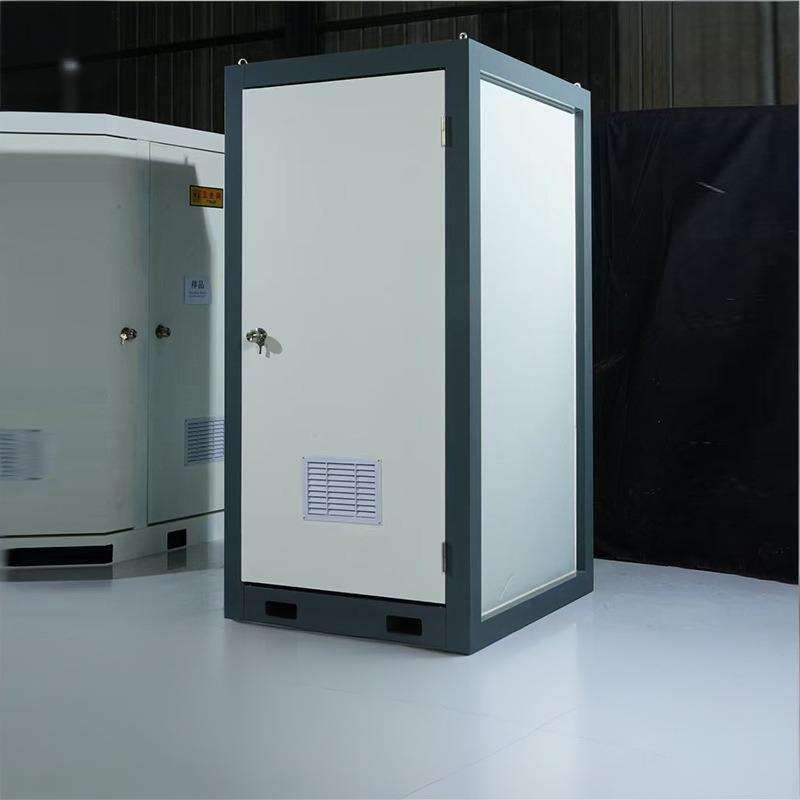
Product Types and Features: Manufacturers in Hegang provide various types of mobile toilets, including standard, water-saving, and eco-friendly models. Standard models are simple in structure, facilitating easy installation and disassembly. Water-saving models reduce water consumption by optimizing flushing systems. Eco-friendly models may employ biodegradable materials or recycling technologies to minimize environmental impact. In terms of materials, options include steel, plastic, and composite materials. Steel structures are robust and durable, suitable for long-term use. Plastic models are lightweight and easy to transport, ideal for scenarios requiring frequent relocation. Composite materials combine multiple advantages, such as corrosion resistance and ease of cleaning.
Service Model: Manufacturers adopt an integrated service model encompassing manufacturing, leasing, and operation and maintenance. Lease contracts typically cover the full range of responsibilities, including transportation, installation, regular cleaning, troubleshooting, and final recycling. For example, Chengxu Mobile Toilet Rental offers a comprehensive suite of services, including research and development, production, sales, and technical training for mobile public toilets and related accessories. Their main business scope includes various leasing services, such as mobile toilet leasing and event restroom leasing.
Technical Composition: Mobile toilet units are prefabricated modular building products that integrate sewage disposal, water supply, ventilation, and structural stability. The boxes are often made of corrosion-resistant galvanized steel or fiberglass, with internal anti-corrosion treatment processes determining their service life in cold regions. Regarding sewage disposal systems, the current mainstream solution is a recycling system integrated with biological degradation or chemical treatment devices, reducing reliance on external sewage networks.
Future Development: The pressure for industrial upgrading stems from the elevation of environmental standards and increased user expectations for sanitary conditions. Future product iterations may focus more on emission reduction technologies and resource recycling efficiency. The integration of intelligent management systems will enhance the precision and operational efficiency of leasing services. Manufacturers need to transition from mere product manufacturers to providers of sanitation problem solutions, improving their adaptability to non-standard scenarios.



