Back to blog
Article
Hegang Container House Construction
Admin September 15, 2026
The construction of container houses in Hegang requires comprehensive consideration of multiple factors, including design, construction, approval, and maintenance.
I. Design Planning
- Spatial Layout: Choose between splicing combinations or staggered stacking methods based on needs to expand functional areas. For example, connecting two containers can create a flat layout of approximately 100㎡, including a living-dining room, double bedrooms, and a bathroom with a bathtub. Staggered designs can create rich spatial layers, with the ground floor reserved for a leisure courtyard or passageway area to improve ventilation and lighting.
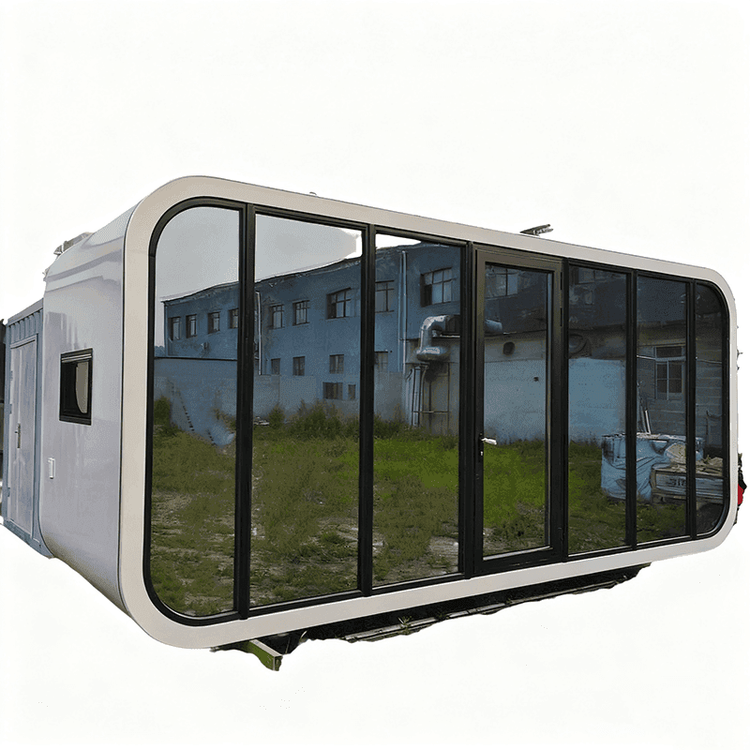
- Lighting and Insulation: Install large floor-to-ceiling windows, roof skylights, and glass partitions to enhance indoor brightness; set up internal insulation layers on walls and roofs, and choose triple-glazed windows to achieve warmth in winter and coolness in summer; roof eaves or terrace awnings can prevent excessive sun exposure in summer.
- Facade Beautification: Use paint spraying, themed murals, cladding, or glass curtain walls on the exterior facade to break away from the industrial feel and create a villa-like atmosphere.
II. Construction
- Foundation Construction: Elevate containers on pile foundations to prevent moisture and pests and facilitate site leveling.
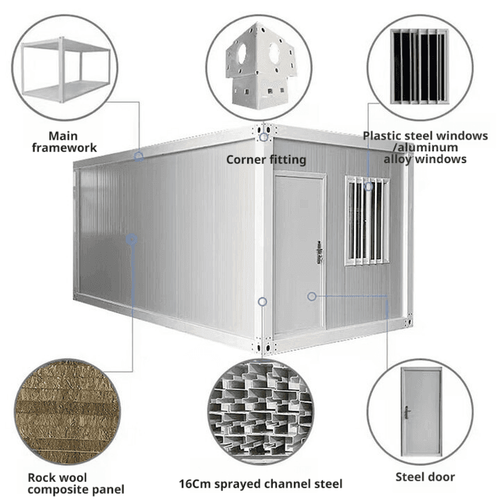
- Structural Safety: The main body of the container is made of steel. Cut and welded edges need to be polished and coated with epoxy primer and topcoat to prevent rusting.
- Waterproofing and Sealing: Use sealant around doors and windows, container joints, and roof gutters, and replace it regularly to prevent leakage.
III. Approval Procedures
- Homestead Construction: It is necessary to follow local requirements for construction approval and provide structural drawings stamped by an engineer. Containers cannot be directly used as permanent residences without approval; otherwise, there is a risk of being identified as illegal construction.
- Leased Land Construction: Mostly for temporary structures only, with the nature of use clearly specified in the contract.
IV. Post-Maintenance
- Rust Prevention and Corrosion Resistance: Inspect welds, corners, and other areas annually, and immediately polish and repaint any rust spots. The repainting cycle is 8-12 years in dry inland areas, 7-10 years in humid southern areas, and 3-5 years in coastal areas for heavy-duty anti-corrosion repainting.
- Waterproofing and Sealing: Regularly replace sealant and clean roof leaves to prevent clogging of gutters.