
Hefei Street Mobile Toilet Design
The design of mobile toilets on Hefei streets emphasizes adaptability to local conditions, humanization, energy efficiency, and intelligence, utilizing eco-friendly materials and advanced management and maintenance models.
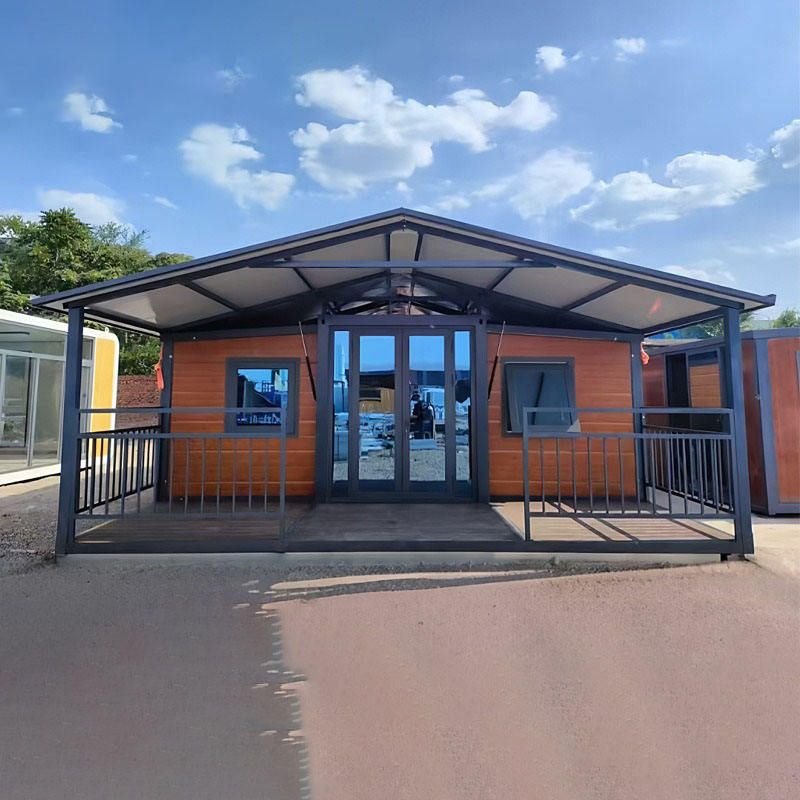
I. Adaptive Design Based on Local Conditions
Mobile toilets on Hefei streets feature diverse appearances tailored to different geographical locations and environmental characteristics. For instance, the public toilet in the parking lot of Siliqu Road Park employs a metal exterior wall with green plant patterns, harmonizing with the surrounding natural environment. The mobile toilet at the intersection of Linquan Road and Siliqu Road adopts a sailboat-style steel frame structure, showcasing a modern aesthetic. This design not only enhances the coordination of the urban landscape but also meets the functional needs of different areas.
II. Humanized and Intelligent Facilities
The design prioritizes humanization and intelligence, incorporating gender-neutral restrooms to improve usage efficiency. Facilities such as 'occupied' and 'unoccupied' indicator systems, touchless faucets, and handrails are provided for the convenience of different user groups. Intelligent odor control systems, temperature-regulating fans, and sound masking systems enhance the user experience. For special groups, emergency call buttons and anti-slip floor tiles are installed to ensure safety and convenience.
III. Eco-Friendly Materials and Energy-Saving Technologies
Materials such as color-coated steel plates, metal carved panels, anti-corrosion wood, and aluminum-plastic panels are selected for their eco-friendliness. Some public toilets are equipped with solar power systems to reduce energy consumption. Water-saving flushing systems and biodegradation technologies are employed to lower sewage discharge pressure, with some achieving on-site resource treatment of excreta, reflecting a green and environmentally friendly philosophy.
IV. Scientific Management and Maintenance Model
The 'Internet + Public Toilet' model is adopted, establishing electronic records and setting up exclusive QR codes for public evaluation or repair requests. Smart monitoring systems are used to track usage frequency, water and electricity consumption, and other data in real-time, enabling scientific scheduling of cleaning and maintenance resources and improving management efficiency. This model not only enhances the service quality of public toilets but also increases public participation and satisfaction.



