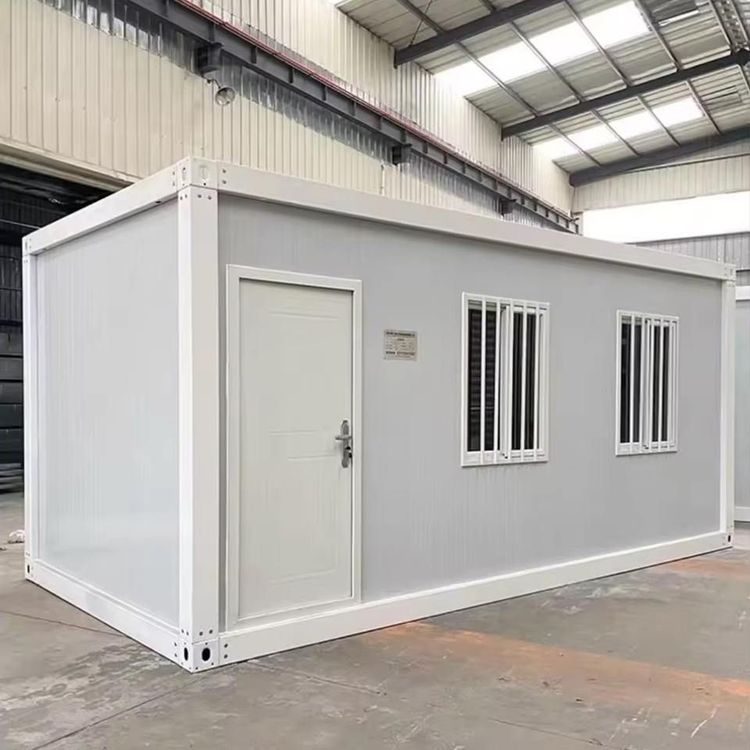
Hefei Outdoor Mobile Toilet Design
The design of outdoor mobile toilets in Hefei features modularity, user-friendliness, environmental protection, easy maintenance, and flexibility.

Modular design is one of the core advantages of Hefei's outdoor mobile toilets. They utilize standardized components for assembly, eliminating the need for complex construction during installation. The layout can be quickly adjusted based on site shape and foot traffic, allowing for flexible addition or removal of toilet stalls in areas such as scenic spot entrances or temporary event zones. Compared to traditional fixed public toilets, construction time can be reduced by over 50%, and costs by approximately 30%, making them particularly suitable for spaces with limited room or requiring rapid response.
User-friendly design is reflected in the consideration for special groups. Most mobile toilets are equipped with barrier-free access, handrails, and low-positioned sinks. Some high-end models also include baby care stations and child-specific toilets to meet the needs of users of different ages and physical conditions. For example, the mobile toilets in Hefei Binhu National Forest Park optimize door width and interior space to ensure wheelchair accessibility, demonstrating the humanistic touch of the design.
Environmental protection technology is another highlight of Hefei's mobile toilets. In terms of water conservation, vacuum or micro-flushing technologies are used, limiting water consumption per flush to under 1 liter, saving over 80% compared to traditional public toilets. For energy supply, some toilets integrate solar panels to power lighting and ventilation systems, achieving energy self-sufficiency. Excrement treatment employs biodegradation or chemical harmless technologies to convert waste into organic fertilizer or discharge it safely, preventing soil and water pollution. For instance, the mobile toilets in Hefei Dashushan Cultural Cemetery use microbial treatment technology for on-site resource utilization of excrement.
Maintenance and management convenience are enhanced through intelligent means. Sensors installed inside the toilets monitor usage frequency, water levels, battery levels, and other data in real-time, feeding back to management departments via IoT platforms for timely scheduling of cleaning and repairs. Additionally, the use of lightweight materials (such as high-strength plastics or aluminum alloys) reduces cleaning difficulty, improving daily disinfection and tidying efficiency by about 40% compared to traditional public toilets.
Flexibility and convenience are demonstrated in their mobility and independence. The toilet bodies are designed to be lightweight, allowing for rapid relocation via lifting or towing to suit temporary exhibitions, disaster relief, and other scenarios. The basic functional modules (such as toilet bowls, water tanks, and ventilation systems) are highly integrated, with some models also equipped with sinks, lighting, and even air conditioning, enabling independent operation without relying on fixed plumbing or electrical systems.