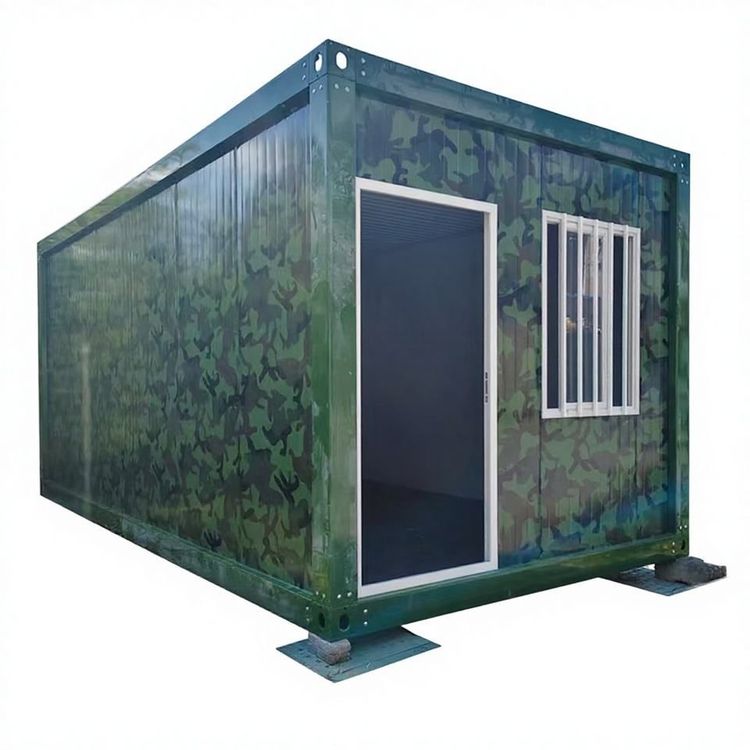
Hefei Outdoor Mobile Toilet Construction
The construction of outdoor mobile toilets in Hefei requires comprehensive consideration of product selection, customization needs, and key points in the construction process.

I. Product Types and Applicable Scenarios
The Hefei market offers various types of mobile toilets, which should be selected based on scenario requirements. Anhui Zhengfeng Environmental Protection Equipment Co., Ltd.'s products are primarily steel-framed, featuring high strength and corrosion resistance, suitable for long-term outdoor use, such as in parks and scenic spots. Their waterless flush and foam toilets reduce water dependency, making them ideal for water-scarce areas. Chengfeng Mobile Toilet Rental's products are more tailored to construction site needs, with trailer-mounted and regular mobile toilets made of corrosion-resistant materials, offering strong weather resistance to withstand harsh conditions. Their compact internal layouts are equipped with basic sanitary facilities, accommodating multiple users simultaneously, and are easy to install and relocate according to construction progress.
II. Customization Service Key Points
Mobile toilets in Hefei support personalized customization, requiring clear identification of core needs. Size customization should consider site size and user numbers to avoid space waste or insufficient capacity. Function expansion can include adding sinks, storage cabinets, and ventilation systems to enhance user experience, such as adding barrier-free facilities in scenic spot toilets. Exterior design should harmonize with the surrounding environment to minimize visual intrusion, such as using wood-grain finishes or colors matching nearby buildings.
III. Construction Process and Technical Parameters
Under rental arrangements, the construction process must strictly adhere to standards. Preliminary planning involves determining specifications and quantities based on user numbers and duration, and surveying installation sites to ensure flat ground, proper drainage, and distance from hazardous areas. Installation and commissioning include connecting water supply and drainage, electrical access (if needed), and stability checks. For example, water tank capacity should match cleaning cycles, with larger models recommended for construction sites to reduce maintenance frequency. Usage and maintenance are regularly performed by the service provider, including cleaning, wastewater removal, and equipment inspections to ensure proper operation. Demobilization and site restoration involve dismantling, removal, and site cleanup to prevent residual impacts on the environment.
IV. Scenario Differences and Parameter Matching
Different scenarios have varying technical parameter requirements. Construction sites require durability, with steel-framed, corrosion-resistant products recommended, and a minimum single-unit area of ≥1.5㎡ to accommodate multiple users. Short-term events (e.g., exhibitions, music festivals) need rapid deployment, favoring lightweight, modular designs with appropriately reduced water tank capacities to lower transportation costs. Material properties should suit the environment, such as salt-fog corrosion resistance in coastal areas and frost resistance in cold regions.