
Hechi Mobile Toilet Usage Standards
No complete and detailed regulations specifically targeting the usage standards of mobile toilets in Hechi have been found yet, but mobile toilets generally should meet the following general standards:
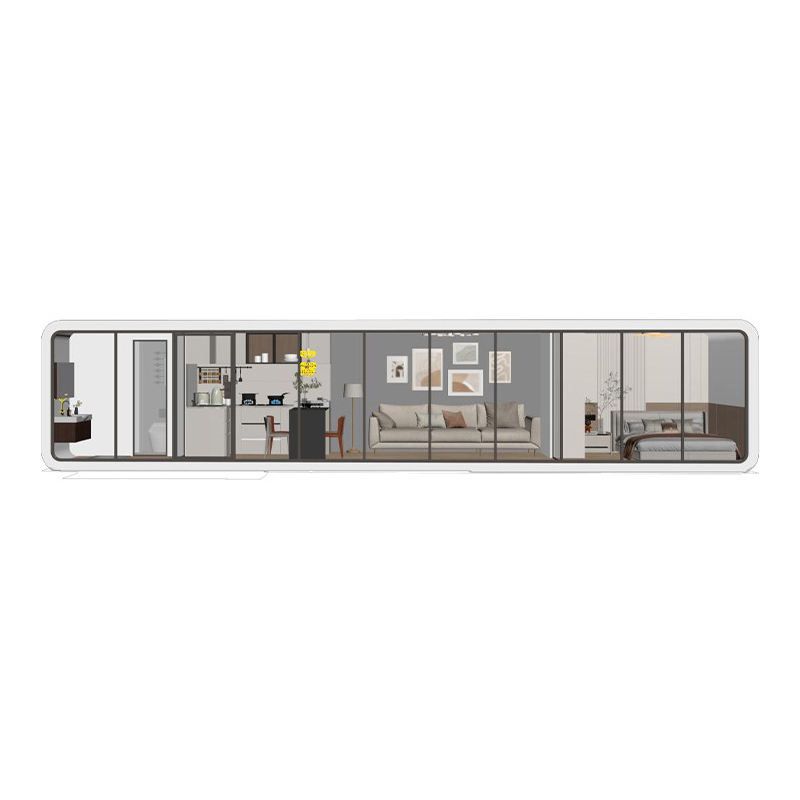
Structural Stability
Mobile toilets need to have a stable structure. The main structure is usually made of steel or aluminum alloy to ensure overall compressive and load-bearing capacity. The structural design should facilitate transportation and installation, while using weather-resistant, corrosion-resistant, and pollution-free environmentally friendly materials to ensure long-term stability and safety performance, enabling them to withstand the weight during use and the impact of the external environment, providing users with a safe and comfortable usage environment.
Hygiene Standards
They should meet strict hygiene requirements. A regular cleaning and disinfection plan should be formulated to reduce bacterial growth and odor production. Handwashing facilities and hygiene products such as paper towels should be provided to safeguard the health and hygiene of users. For example, dedicated personnel should be arranged to clean and disinfect the toilets every day, thoroughly cleaning all parts inside the toilets to ensure there are no stains or odors.
Environmental Protection Standards
Considering environmental protection factors is crucial. Environmentally friendly materials should be selected for use, and water-saving designs should be adopted, including choosing water-saving fixtures and compliant lighting equipment. Renewable energy sources such as solar and wind power can also be considered to reduce operating costs and environmental impact. In terms of waste disposal, reasonable design should be carried out, and biological degradation and other methods should be adopted to avoid direct discharge into the natural environment, which would cause pollution.
Accessibility Facilities
Accessibility facilities should be provided to facilitate use by people with disabilities or those with mobility impairments. The location of accessible toilets should be close to public restrooms, with an area of not less than 4.00 square meters. Inside, there should be a wheelchair turning space with a diameter of not less than 1.5 meters. At the same time, accessible toilets should be equipped with accessible toilet seats, accessible washbasins, multi-functional tables, low-level coat hooks, and emergency call devices, and should have horizontally sliding doors or outward-opening flush doors.
Safety Facilities
Appropriate safety facilities should be provided, such as emergency assistance devices and non-slip floors. Emergency assistance devices can send out distress signals in a timely manner when users encounter emergencies, while non-slip floors can effectively reduce the risk of users slipping and getting injured, ensuring the safety of users in emergency situations.
Comprehensive Humanized Facilities
The actual needs and experiences of different groups of people should be fully considered, taking into account aspects such as the gender ratio allocation and the provision of accessibility facilities. For example, according to the footfall and gender ratio of the usage location, the number of male and female toilets should be reasonably set to meet the usage needs of different groups of people.



