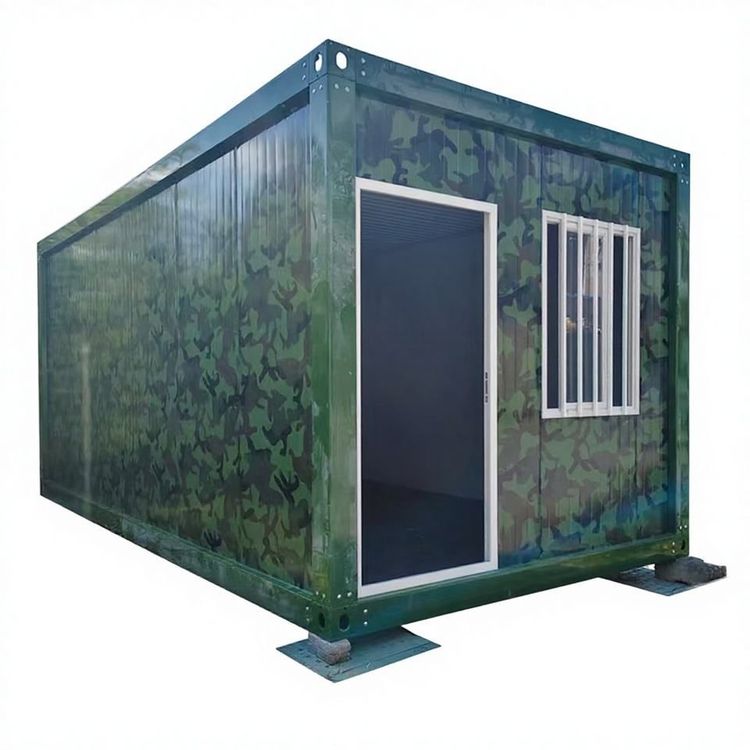
Hebi Water-Saving Mobile Toilet
The Hebi water-saving mobile toilet is an environmentally friendly mobile public toilet that uses vacuum collection or water-saving flushing technology, with significantly lower water consumption than traditional public toilets. Its core features and application scenarios are as follows:
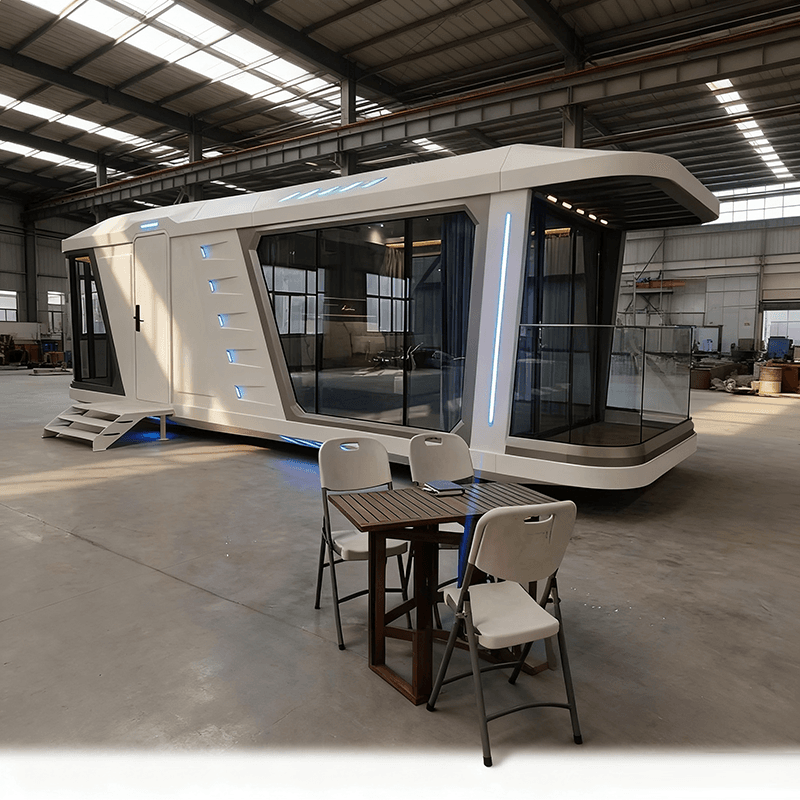
Technical Features and Water-Saving Advantages
The core technology of the Hebi water-saving mobile toilet is the vacuum collection system or water-saving flushing device. By using negative pressure suction or optimizing water flow design, the single flush volume is controlled to 1/5 to 1/3 of that of traditional public toilets (traditional public toilets use about 6-10 liters per flush, while the water-saving type only requires 1.2-3 liters). For example, the vacuum collection system uses a vacuum pump to generate negative pressure, quickly sucking feces into the fecal storage tank and requiring only a small amount of water to flush the pipes, greatly reducing water consumption. This type of technology is particularly suitable for scenarios with scarce water resources or long-term operations, reducing sewage discharge by more than 70%.
Applicable Scenarios and Supporting Requirements
This type of public toilet mainly serves scenic spots, remote areas, temporary event venues, and other water-sensitive areas. For example, in mountainous scenic spots or arid regions, traditional public toilets can easily cause ecological damage due to high water consumption and difficult sewage discharge. In contrast, water-saving mobile toilets can achieve centralized treatment of feces through supporting sewage collection tanks or septic tanks, avoiding soil and water source pollution. When renting or using, it is essential to focus on checking the supporting equipment: if a fecal storage tank is used, confirm whether its capacity meets the usage cycle; if connected to the municipal sewage pipeline network, verify the compatibility of the pipeline interface; some scenarios may also require the installation of deodorization systems or solar power supply devices to enhance the user experience.
Diverse Product Options and Customization Services
In addition to the water-saving type, companies such as Henan Xujia Environmental Protection Technology Co., Ltd. also offer various types of waterless packaged mobile toilets, foam-sealed mobile toilets, and water-flushing mobile toilets. For example, the waterless type encapsulates feces in biodegradable plastic bags, requiring no flushing, suitable for scenarios without a water source; the foam-sealed type uses foaming agents to cover the surface of feces, isolating odors and reducing flush volume. Users can choose based on factors such as the number of users, environmental conditions, and budget, and support customized processing of size, material, and functional modules, such as adding baby care rooms, barrier-free facilities, or intelligent monitoring systems.
Environmental Benefits and Long-Term Value
The promotion of water-saving mobile toilets can significantly reduce water consumption and sewage treatment costs. Taking a scenic spot public toilet with an average daily usage of 200 people as an example, a traditional public toilet consumes about 4,380 tons of water per year, while a water-saving type only requires 876-1,314 tons, saving 65%-80% of water resources. At the same time, reducing sewage discharge can alleviate municipal treatment pressure, comply with green building and sustainable development policy requirements, and have significant economic and environmental dual benefits in the long run.