
Hebi Box-type Mobile Toilet
The Hebi box-type mobile toilet is a portable sanitation facility designed with a high-strength steel frame, a waterproof and rust-resistant outer layer, and an integrated box body. It features comprehensive functional configurations and flexible application scenarios, suitable for both temporary and long-term outdoor use.
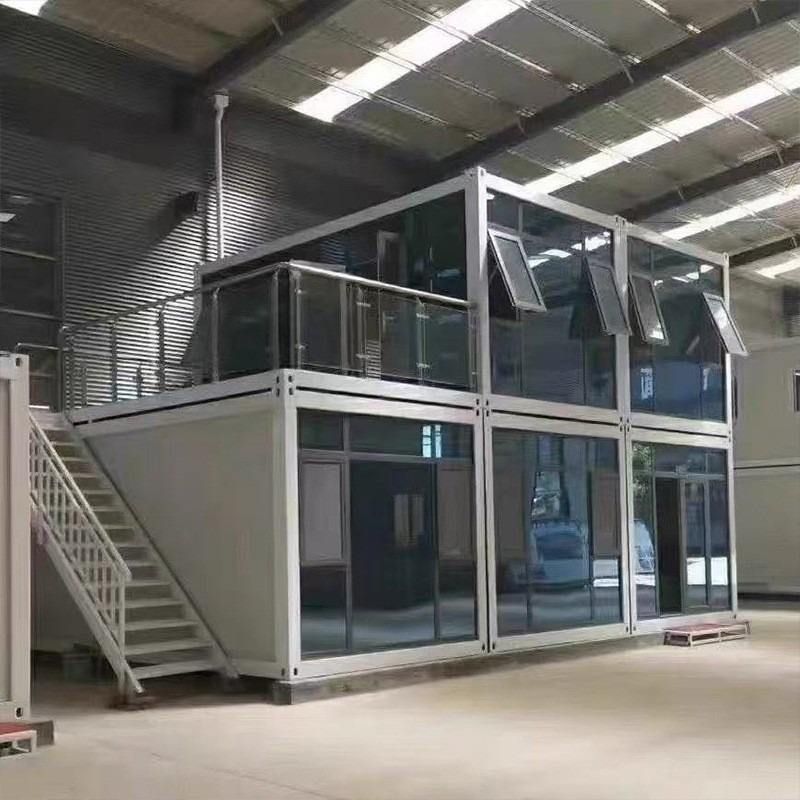
1. Basic Structure and Materials
The main frame of the Hebi box-type mobile toilet is typically constructed from high-strength steel, ensuring structural stability and strong impact resistance. The outer layer is covered with waterproof and rust-resistant materials (such as galvanized steel sheets or composite materials), which can withstand rain, moisture, and UV radiation, extending the service life. The box body adopts an integrated molding process to avoid leakage issues caused by joint seams. Anti-slip foot pads are installed at the bottom to enhance stability on uneven ground and reduce the risk of shaking during movement.
2. Internal Functional Configurations
The standard configuration covers basic sanitation needs: squat toilets (some equipped with foot-operated flush valves to reduce contact contamination), sinks (with optional hot and cold water systems), lighting fixtures (primarily LED energy-saving lamps), ventilation devices (exhaust fans or natural ventilation openings), as well as toilet paper holders and trash bins. High-end models further enhance the user experience, such as adding aroma systems to mask odors, emergency call buttons for safety, and some are equipped with hand dryers or automatic sensor faucets to improve hygiene convenience.
3. Water and Electricity, and Sewage Disposal Design
The flushing system employs water-saving technology, with a single flush volume controlled between 0.5-1 liters, suitable for scenarios with limited water resources. There are two types of sewage disposal methods: direct discharge, which requires connection to the municipal sewage network and is suitable for fixed locations; and fecal storage, which is equipped with a large-capacity fecal storage tank and requires regular cleaning by professional vehicles, offering greater flexibility. The power supply options are flexible, allowing for external mains power or solar charging panels to meet basic electricity needs for lighting and ventilation. Some models are also equipped with backup batteries to handle power outages.
4. Additional Practical Facilities
To adapt to diverse scenarios, rental providers offer customization services: barrier-free facilities (handrails, widened doors) to meet the needs of disabled individuals; winter insulation and heating devices (electric heaters or floor heating) to ensure normal use in low-temperature environments; and child-specific toilet compartments to reduce usage risks. Additionally,配套标识牌引导使用 (signage for guidance), anti-slip mats for safety, and toolboxes for maintenance form a complete service system.
5. Application Scenarios
The Hebi box-type mobile toilet is widely used in temporary or highly mobile scenarios: construction sites to address workers' sanitation needs; large-scale events such as music festivals and marathons to cope with peak人流 (pedestrian traffic); and municipal engineering and landscaping projects to ensure basic sanitation conditions for outdoor operations. Its modular design supports rapid assembly, disassembly, and transportation, making it an important supplement to public area sanitation facilities.



