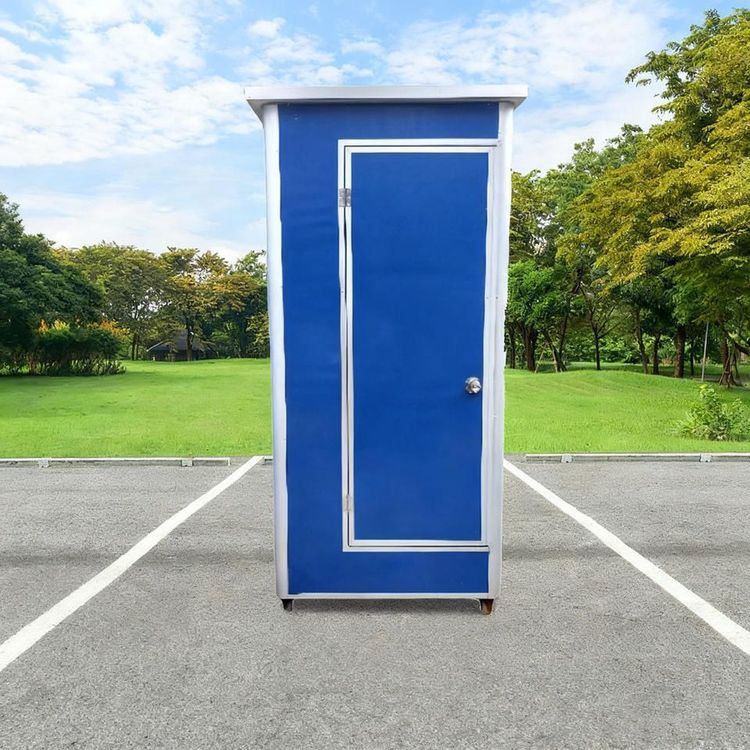
Installation of Mobile Toilets in Hebei Scenic Spots
The installation of mobile toilets in Hebei scenic spots requires comprehensive planning, covering preliminary preparations, equipment selection, installation and construction, as well as post-installation maintenance.

I. Preliminary Planning and Site Preparation Before installation, conduct an on-site survey of the site, focusing on assessing ground flatness, passageway width, and water and electricity access conditions. If the ground is soft soil, it needs to be hardened in advance or paved with a gravel bed to ensure a stable foundation; at the same time, reserve space for equipment transportation and lifting. According to the climatic characteristics of the scenic spot, consider the soil freeze-thaw cycle in winter installations and appropriately deepen the pipeline burial depth; in windy areas, install windproof cable fixing devices, and in the rainy season, set up temporary rain shelters for construction.
II. Equipment Selection and Modular Installation Select toilet types based on the conditions of the scenic spot:
- Flush Type: Suitable for scenic spots with complete water supply and sewage systems, ensuring a good user experience;
- Waterless Packing Type: Ideal for water-scarce areas, requiring no water source connection;
- Foam Sealing Type: Balances water conservation and odor control needs, reducing operation and maintenance costs. The number of toilet stalls should match daily visitor traffic, supporting custom sizes and functions. The equipment adopts factory-prefabricated modular structures, transported to the site and lifted by cranes. During installation, use a level to calibrate the box posture to ensure horizontal alignment; the fixing method is selected based on the site, either by welding pre-embedded parts or reinforcing with expansion bolts, and waterproof sealing strips are added at box connections.
III. System Installation and Commissioning
- Water Supply and Drainage System: Water supply pipes must have thermal insulation properties, buried deeper than the frost line and equipped with filtration devices; drainage pipes should be laid according to slope requirements, with thermal insulation materials wrapped in cold regions.
- Electrical and Ventilation Systems: Use waterproof cables for circuits, with switches and sockets meeting splash-proof ratings; prioritize low-voltage LED lighting; ventilation systems determine air exchange rates based on the number of people, with louvered vents or exhaust fans installed on side walls.
- Internal Facilities: Precisely position toilet fixtures over drainage outlets, using flexible sealing materials to fill connections; adjust the level of the sink support before conducting a water flow test; apply anti-rust treatment to hardware.
IV. Inspection and Maintenance After installation, conduct a systematic inspection, including flush sensitivity, pipeline pressure, circuit insulation resistance, and ventilation equipment operation tests. Establish a regular maintenance plan, focusing on checking pipeline freeze protection, aging of sealing strips, and corrosion of metal components.
V. Service Provider Selection Criteria Prioritize products with waterproof, fire-resistant, and thermal insulation properties, ensuring that enterprise qualifications cover manufacturing and sales scopes. For example, Xingtai Yunsheng Integrated Housing Co., Ltd. adopts full-welding roof technology, ensuring structural stability and supporting multiple relocations. Its core team has over 30 years of industry experience and can provide selection advice suitable for different scenarios.