
Hebei Prefabricated Modular Housing
Hebei prefabricated modular housing is a form of prefabricated rural housing characterized by factory-prefabricated components and on-site assembly construction, rapidly emerging and achieving large-scale application in rural areas.

Construction Methods and Processes
Hebei prefabricated modular housing adopts an industrialized construction model. Core components such as columns, beams, and wall panels are prefabricated on factory assembly lines, achieving component interchangeability through standardized design. After being transported to the homestead, construction personnel quickly assemble them using methods such as bolt connections and welding, eliminating the need for traditional wet operations like bricklaying and plastering throughout the process. For example, the house of farmer Li Zhanjun in Weichang County, Chengde, was completed in just a few weeks for the main structure, reducing the construction period by more than 50% compared to traditional brick-and-mortar structures.
Policy Support and Subsidy Mechanisms
Hebei Province took the lead in launching pilot projects for prefabricated rural housing in 2022, providing a provincial subsidy of 10,000 yuan per newly built household and implementing fully digital management for subsidy applications, approvals, and disbursements through the "Yunongtong" APP. Some cities and prefectures have叠加 subsidies for dilapidated house renovations, creating a synergistic policy effect. Taking Li Zhanjun's case as an example, the total cost of building his house was 170,000 yuan. Through the combination of provincial subsidies and dilapidated house renovation subsidies, he only paid slightly more than 110,000 yuan in actual expenses, significantly reducing the economic burden on farmers.
Promotion Results and Coverage
By the end of 2025, a cumulative total of 20,000 farming households across the province had voluntarily chosen to build prefabricated rural housing, covering 45 counties (cities, districts) and achieving full township coverage. Since the beginning of spring 2026, an additional 2,717 households have started construction, with market acceptance continuing to rise. During the promotion process, enterprises have answered farmers' questions through live streams, driving the transformation of technological awareness from "concept" to "practicality" and forming a virtuous cycle of "government guidance + enterprise participation + farmer benefit."
Technological Advantages and Performance Characteristics
Through standardized design, industrialized production, and modular construction, modular housing reduces construction waste by approximately 80% and increases material utilization to over 90%. New systems such as MiC (Modular Integrated Construction) and C-MiC (Concrete Modular Integrated Construction) transfer more than 90% of the processes to factories, further enhancing building quality. Measured data shows that such housing meets seismic performance standards for an 8-degree fortification intensity. The walls use thermal insulation materials, achieving a "warm in winter and cool in summer" effect, with overall energy consumption reduced by 30% compared to traditional rural housing.
Product Forms and Market Applications
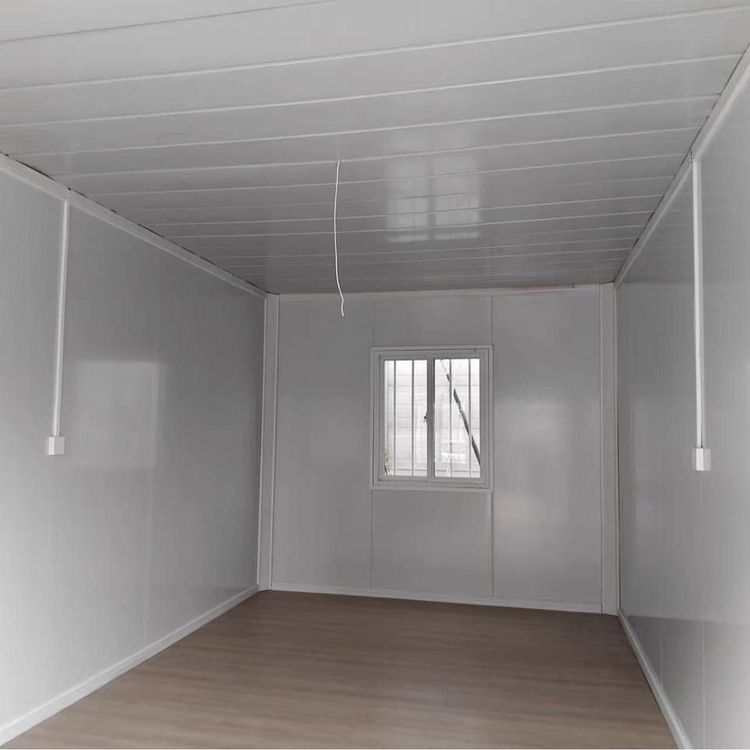
Hebei prefabricated modular housing covers various forms such as container houses, modular villas, and multi-story rural housing, meeting the needs of different scenarios. Through technological innovation, enterprises have introduced expandable and detachable modular units, supporting farmers in flexibly adjusting spatial layouts according to changes in family structure and promoting the transformation of rural housing from "one-time construction" to "sustainable renewal."
You may also like
Everything You Need to Know About Portable Toilet Used For Sale
Read More
House Design: Top Options & Considerations
Read More
Top Portable Toilet Air Conditioning Manufacturers: How to Choose a Factory Partner
Read More