
Prefabricated Houses in Hebei Province
Prefabricated houses in Hebei Province, represented by prefabricated rural houses and movable houses, have formed a large-scale development pattern. They are characterized by efficient construction, controllable costs, and superior performance, and have expanded into multiple fields such as emergency response and overseas applications.
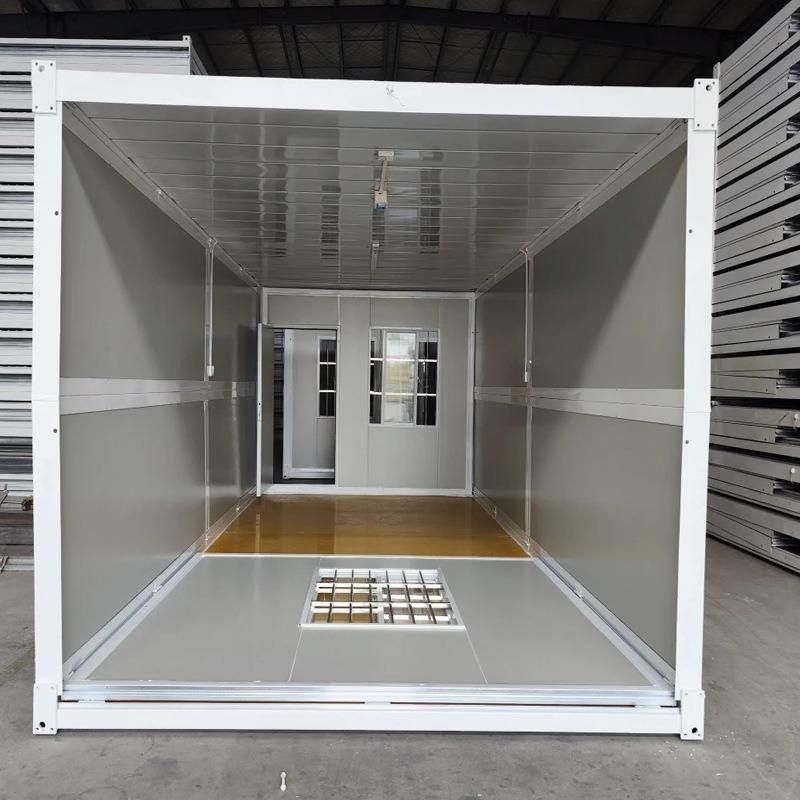
I. Popularization of Prefabricated Rural Houses in Rural Areas
Hebei Province launched a pilot program in 2022 to promote the rapid popularization of prefabricated rural houses in rural areas through policy guidance, subsidy incentives, and market-oriented operations. By the end of 2025, a total of 20,000 rural households across the province had voluntarily chosen to build such houses, covering towns in 45 counties (cities and districts). Their core advantages include:
- Efficient Construction: Components are prefabricated in factories and assembled on-site, resulting in short construction periods. For example, the new house of Li Zhanjun, a farmer in Weichang County, Chengde City, was completed in just 3 months, significantly shorter than the time required for traditional house construction.
- Controllable Costs: Provincial subsidies of 10,000 yuan per household, combined with subsidies for dilapidated house renovations, have significantly reduced the actual expenditures of farmers. Li Zhanjun ultimately spent over 110,000 yuan, which was more cost-effective than traditional house construction.
- Superior Performance: The houses are warm in winter and cool in summer, energy-efficient, and environmentally friendly. They also meet standards such as seismic fortification intensity ≥ 8 degrees and wind resistance rating ≥ 10 degrees, ensuring both safety and comfort.
II. Industrial Agglomeration and Technological Innovation
Relying on its steel structure industry foundation and transportation and logistics advantages, Hebei Province has become an important agglomeration area for prefabricated and movable houses in China. The industry exhibits dual attributes of 'manufacturing + services':
- Manufacturing Side: Leading enterprises have a prefabrication rate of over 85% and adopt automated processes such as robot welding and CNC cutting to ensure product precision and quality.
- Service Side: Enterprises provide full-chain services, covering design consulting, logistics and distribution, and post-maintenance, to meet the diverse needs of scenarios such as emergency command centers and overseas mining camps.
III. Diversified Application Scenarios
Prefabricated houses in Hebei Province have expanded into multiple fields:
- Rural Construction: As a new trend in rural residential buildings, 2,717 new households started construction in 2025, driving the improvement of rural housing quality.
- Emergency Response and Public Utilities: They provide rapid responses in scenarios such as disaster relief command and temporary resettlement. For example, Hebei Zhonghong Huasheng Intelligent Integrated Housing Co., Ltd. offers relevant solutions.
- Overseas Projects: Prefabricated houses that meet international standards and adapt to extreme climates are exported overseas. For instance, an American couple purchased a foldable prefabricated house from China online, demonstrating international market competitiveness.
IV. Market Prospects and Scale
It is predicted that by 2025, the market size of prefabricated buildings, including movable houses, will exceed 2 trillion yuan, with a compound annual growth rate of over 15%. With its industrial agglomeration effect and policy support, Hebei Province will continue to lead the industry's development, with huge market potential in the future.



