
Hebei Mobile Toilet Emergency Support
Hebei mobile toilets ensure sanitation needs through multi-dimensional measures in emergency support and are key facilities in the emergency rescue system.
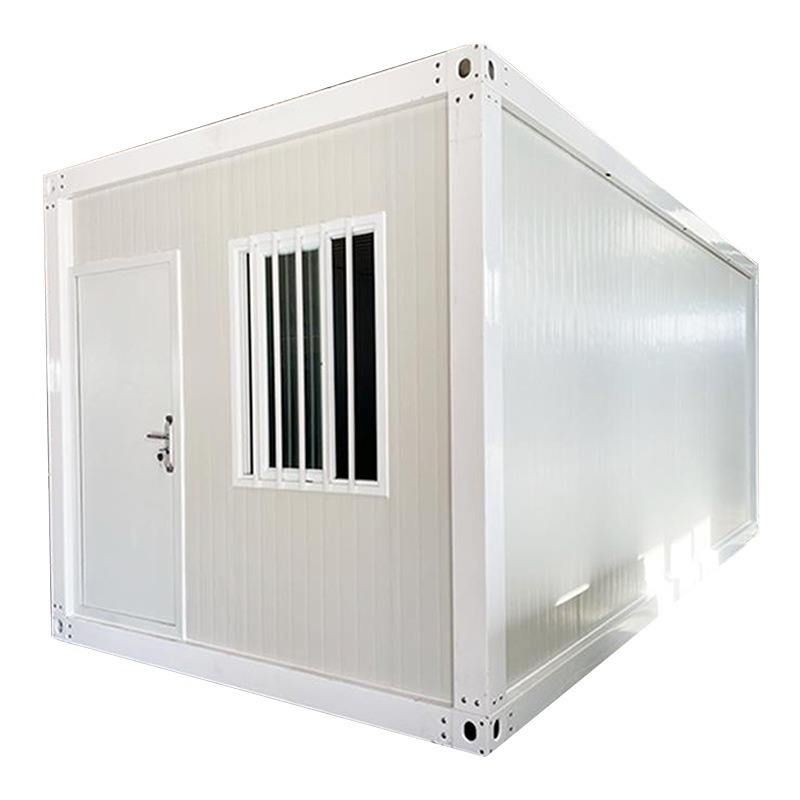
1. Wide range of applicable scenarios, covering core emergency needs
Hebei mobile toilets mainly serve emergency scenarios such as post-disaster resettlement and field operations, focusing on addressing the basic sanitation needs of affected people and rescue personnel. After disasters like earthquakes and floods, traditional toilet facilities often become unusable due to damage or power and water outages. Mobile toilets can be quickly deployed at temporary resettlement sites to prevent the spread of diseases caused by deteriorating sanitation conditions. In addition, in temporary scenarios such as field construction and large-scale events, mobile toilets can meet the demand for foot traffic through flexible configurations and become core facilities for sanitation management.
2. Diverse product types to suit different scenario needs
Hebei offers a variety of mobile toilets in different specifications, including simple mobile toilets and emergency toilet tents. For example, the emergency toilet tents produced by Nuoda Hardware Tools Factory in Nanmeng Town, Bazhou City, use painted steel pipe frames, can accommodate 6-8 people simultaneously, and have features such as wind resistance and easy disassembly, making them suitable for rapid setup after disasters. Simple mobile toilets, through modular design, can be combined into large sanitation units to meet the needs of high-foot-traffic scenarios. The diversity of products ensures that appropriate equipment can be matched for different emergency scenarios, from individuals to groups and from short-term to long-term.
3. Strict deployment specifications to ensure long-term use
The emergency deployment of mobile toilets needs to follow standardized procedures:
- Pre-deployment assessment: Examine the terrain, drainage conditions, and foot traffic, avoid low-lying and flood-prone areas, and ensure the feasibility of the sewage system.
- Site selection and securing: Maintain a safe distance from water sources and residential areas, and use ground stakes, sandbags, and other wind-proof measures to prevent the overturning of tent-type toilets.
- Operation, maintenance, and cleaning: Develop a sewage disposal plan (such as septic tanks or suction trucks), clean at least twice a day, and equip with disinfectants to prevent the growth of pathogens.
- Withdrawal and recycling: Thoroughly disinfect before leaving, and the sewage treatment should comply with environmental protection standards to avoid secondary pollution.
4. Comprehensive service process for full-cycle management
Users can contact service providers by phone or online platform, stating their usage scenarios, number of people, duration, and other needs. The service provider will recommend models based on the information (such as emergency tents for scenarios with less than 50 people and modular toilets for large-scale events) and develop a deployment plan. During use, the service provider will conduct regular inspections and replenish consumables to ensure the normal operation of the equipment. For example, a service provider completed the deployment of 200 mobile toilets within 48 hours in the 2023 Zhuozhou flood and continued to maintain them for one month after the disaster.



