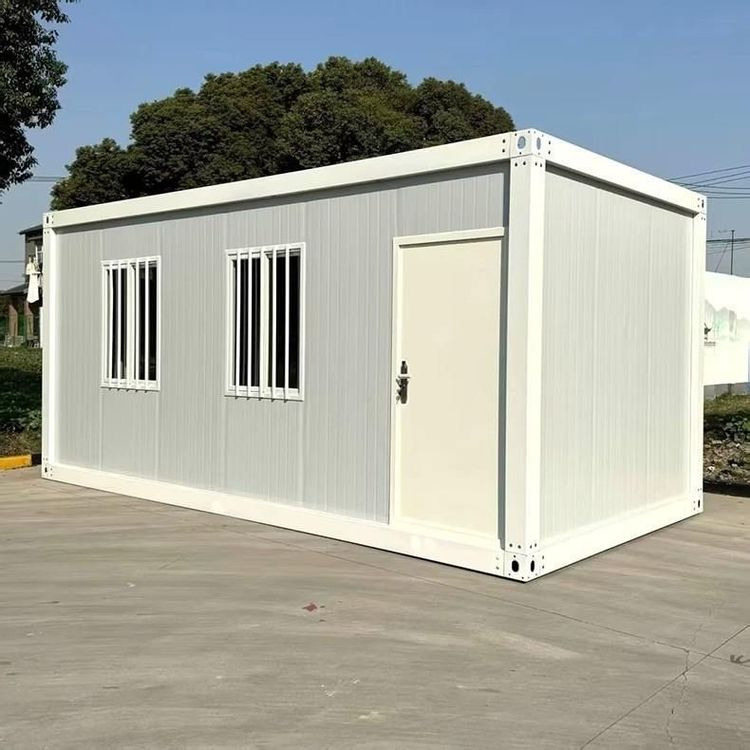
Introduction to Hebei Mobile Smart Toilets
Hebei mobile smart toilets represent a green, technology-driven choice for environmental protection, integrating four core advantages: intelligent water conservation, smart management, mobility, and environmental benefits, providing efficient solutions for the public facilities sector.

Intelligent Water Conservation Technology
Hebei mobile smart toilets utilize vacuum adsorption technology or micro-flush technology, reducing single-flush water consumption to 0.5 - 1 liters, significantly lower than the 6 - 10 liters used by traditional toilets. Some models are equipped with rainwater collection systems, utilizing natural precipitation to supplement water sources and further reduce reliance on municipal water supplies. Based on an average daily usage of 200 times, a single smart toilet can save approximately 700 tons of water annually, significantly reducing water consumption.
Smart Management System
The toilets are equipped with IoT sensors that continuously monitor toilet occupancy status, temperature, humidity, air quality (such as ammonia concentration), and other data, enabling dynamic adjustments through a management platform. For example:
- When a toilet is occupied, an electronic display outside the door automatically shows “Occupied” to guide user flow;
- When ammonia concentration exceeds standards, the fresh air system automatically activates to improve indoor air quality;
- Remote fault diagnosis is supported, allowing maintenance personnel to receive equipment alerts via a mobile app, prepare spare parts in advance, and minimize downtime.
Modular Design and Mobility
Employing standardized modular design, the main structure consists of detachable components, enabling rapid assembly or layout adjustments based on site requirements. For example:
- During peak tourist seasons, additional toilet units can be added to meet high demand;
- After exhibitions, the entire unit can be relocated to other areas for reuse, with an installation period of only 1 - 2 days, significantly reducing construction costs.
Environmental Benefits and Resource Recycling
Achieving environmental goals through multiple dimensions:
- Water resources: Water-saving technologies reduce freshwater consumption, while rainwater collection systems enhance resource utilization;
- Energy: Some models utilize solar power systems, reducing dependence on traditional power grids;
- Waste treatment: Fecal waste is converted into organic fertilizer through biodegradation technology, achieving “waste-to-resource” conversion and promoting resource recycling.
Additionally, mobile toilets produced by Cangzhou Tianrun Environmental Protection Technology Co., Ltd. offer diverse configurations, including water-saving and waterless packing types, with exterior materials such as carved panels and aluminum-plastic panels. Interior finishes range from simple to luxurious, and optional features like smart toilet systems and central air conditioning are available to meet various scenario needs.