
Hebei Craft Mobile Toilet
Hebei craft mobile toilets primarily employ splicing and full-welding processes, with the full-welding process being more widely used and offering superior performance.
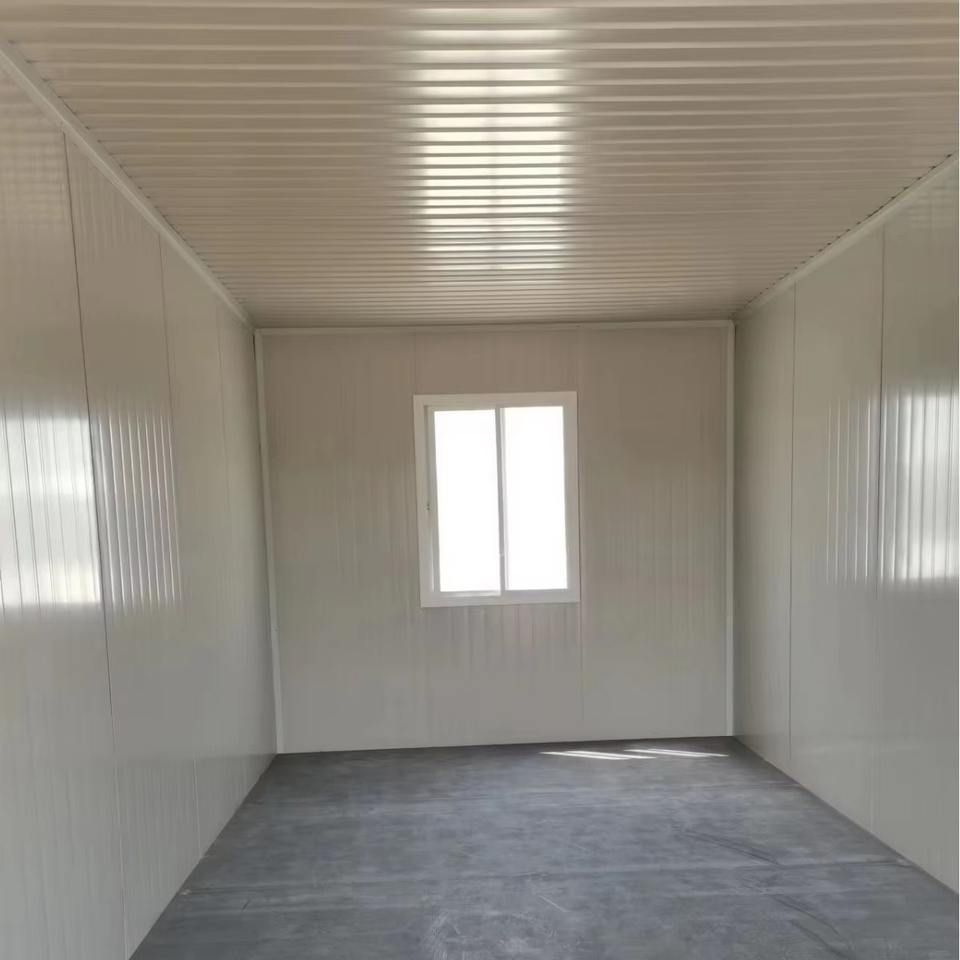
Core Features of Full-Welding Process The full-welding process involves full-seam welding of the spliced parts of mobile toilets, with particular attention to seamless welding of the top structure. This process effectively resolves rainwater leakage issues by eliminating splicing gaps, while significantly enhancing the overall structural rigidity. Its fire-retardant properties are strengthened due to the welding's airtightness, and its thermal insulation performance is superior to that of ordinary splicing processes due to structural integrity. Additionally, the full-welding process endows the product with the characteristics of being lightweight, durable, and easy to assemble and disassemble, allowing for multiple turnovers and adaptability to diverse climatic conditions and scenarios across China.
Performance Advantages and Data Support
- Structural Stability: Full-welding treatment enhances the product's resistance to deformation, making it less prone to loosening or cracking during long-term use, especially suitable for high-frequency assembly and disassembly scenarios.
- Durability Improvement: Public user feedback indicates that the service life of products using the full-welding process is on average about 35% longer than that of ordinary splicing processes, with turnover usage increasing by more than 50%. This data demonstrates that the full-welding process offers greater advantages in long-term cost-effectiveness, resulting in lower overall usage costs.
- Scenario Adaptability: The sealing and structural strength of the full-welding process enable it to meet the freeze-resistance requirements in cold northern regions and the corrosion resistance demands in humid southern environments, making it widely applicable in scenic spots, construction sites, temporary events, and other scenarios.
Process Comparison and Selection Recommendations Although the splicing process has lower costs, it suffers from defects such as gaps that easily harbor dirt and inadequate waterproofing, making it suitable for short-term or low-frequency usage scenarios. In contrast, the full-welding process, through its full-seam welding technology, fundamentally resolves the pain points of the splicing process. Despite slightly higher initial costs, the full-welding process offers significant advantages in durability, turnover rate, and overall performance in the long run, making it the mainstream choice for mobile toilet production in Hebei. For projects pursuing high quality and long-term usage, products using the full-welding process offer better cost-effectiveness.



