Hebei Container House Construction
The construction of container houses in Hebei has formed a mature industrial system with a diverse range of product types and wide application scenarios. The following is an introduction from four aspects: industrial foundation, technical characteristics, application fields, and construction key points.

I. Industrial Foundation and Scale
Fucheng County in Hebei is one of the top five integrated housing production bases in China. Since its inception in 2018, it has gathered 48 upstream and downstream enterprises, forming a complete industrial chain from steel processing and door and window fittings to cross-border logistics. In the first half of 2026, the industrial revenue reached 820 million yuan, a year-on-year increase of 126%, with products exported to more than 50 countries and regions. By establishing industry associations, promoting 'shared manufacturing' equipment, and creating regional public brands, the local area has effectively integrated resources, reduced costs for small and medium-sized enterprises, and formed a virtuous industrial ecosystem.
II. Technical Characteristics and Innovation
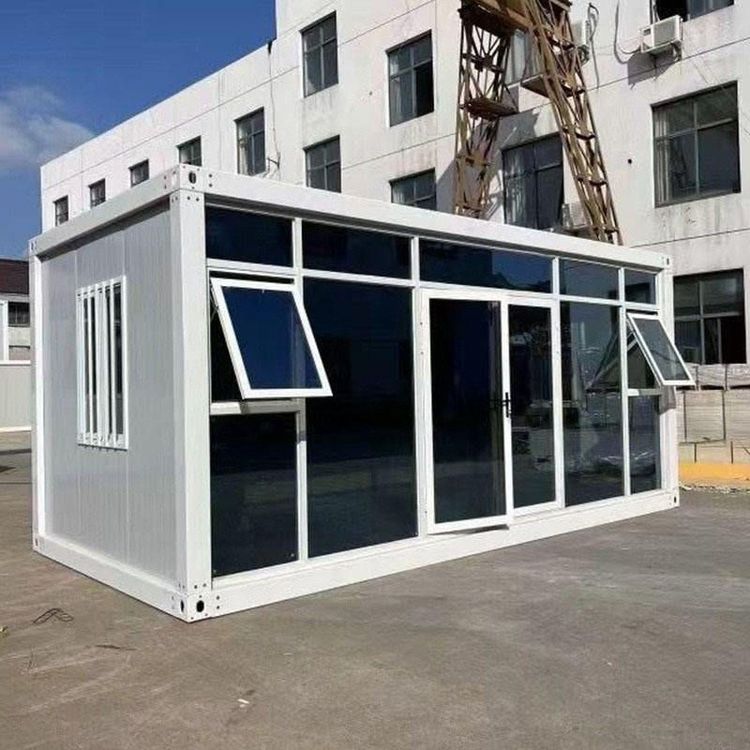
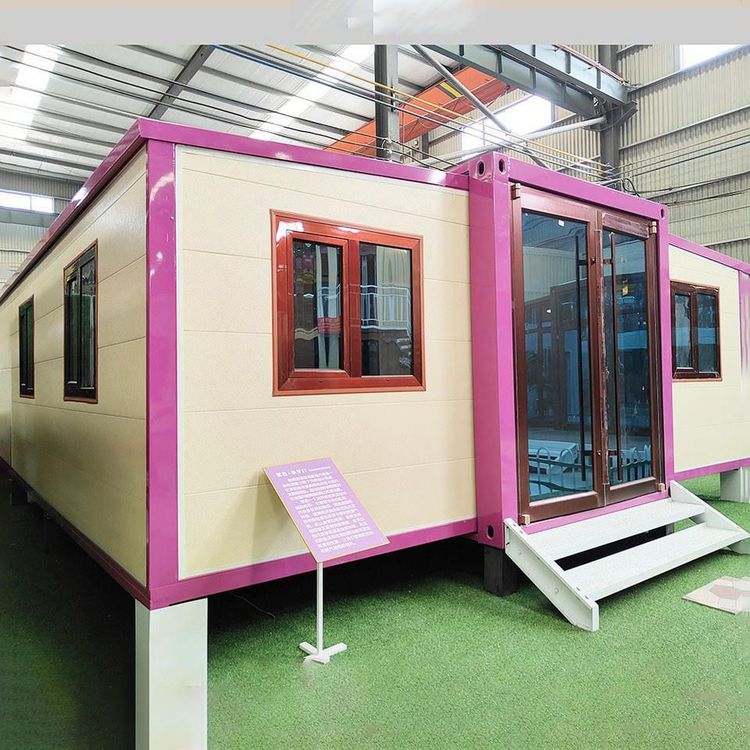
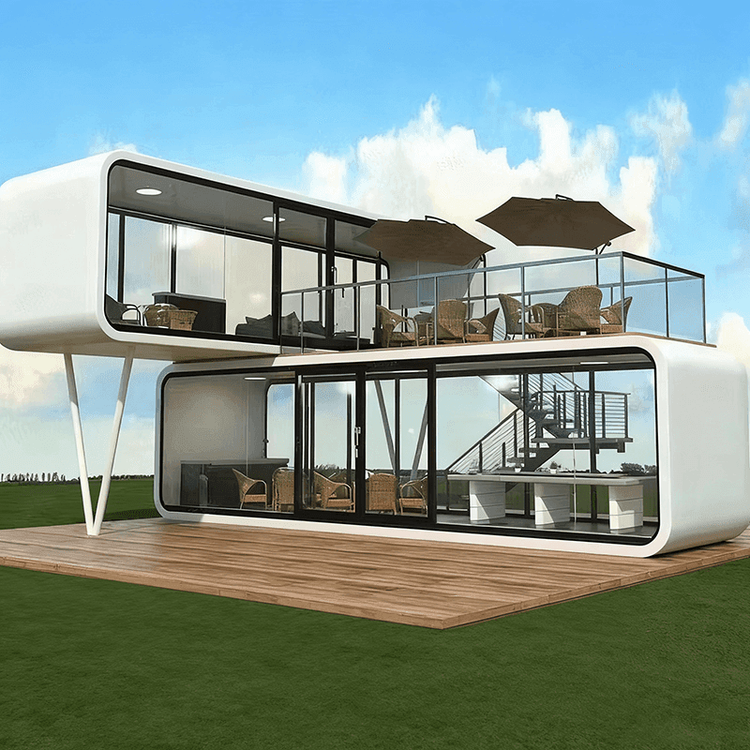
- Modular Design: Products include modular cabins, double-wing expandable container houses, space capsules, etc., supporting rapid assembly and disassembly. For example, packing-box units use welded frames instead of traditional screw connections, significantly shortening construction time.
- Structural Optimization: High-strength steel and a reasonable frame structure are adopted to meet seismic and wind resistance requirements. The customized light steel residential buildings in Shijiazhuang have a seismic performance of magnitude 9 and can withstand wind loads from a Category 12 typhoon.
- Environmental Protection and Energy Efficiency: Environmentally friendly materials such as metal carved panels and rock wool sandwich panels are used. The thickness of the exterior wall insulation layer is adjustable to adapt to different climate zones, and the steel recycling rate reaches 90%.
III. Application Fields
- Infrastructure Projects: Provide temporary offices, accommodations, kitchens, bathrooms, and other facilities for housing construction, subways, municipal engineering, etc.
- Cultural Tourism and Homestays: High-end modular residences and smart travel spaces have become new choices for cultural tourism projects, supporting customized designs.
- Emergency Relief: Rapidly deployable folding boxes and packing-box units are suitable for disaster relief and temporary medical stations.
- New Energy Support: Special containers such as energy storage cabins meet the needs of the new energy sector.
IV. Construction Key Points and Selection Recommendations
- Structural Design: It should comply with the 'Building Structural Design Code', and choose reinforced frames or wind-resistant designs according to the usage environment (such as earthquake-prone areas or areas with strong winds).
- Space Expansion: Double-wing expandable container houses have a large expansion range and are suitable for scenarios requiring high spatial flexibility (such as temporary exhibitions and emergency relief).
- Material Quality: Prioritize the use of steel and insulation materials that comply with the 'Building Material Quality Standards' to ensure durability and environmental friendliness.
- Assembly Convenience: Rapid assembly designs can reduce transportation and installation costs and are suitable for frequently relocated scenarios such as construction site dormitories and wilderness camps.