Heating Methods for Container Houses
The heating methods for container houses mainly include optimizing thermal insulation design, adopting efficient temperature control equipment, and utilizing clean energy for heating, as detailed below:
Optimizing Thermal Insulation Design
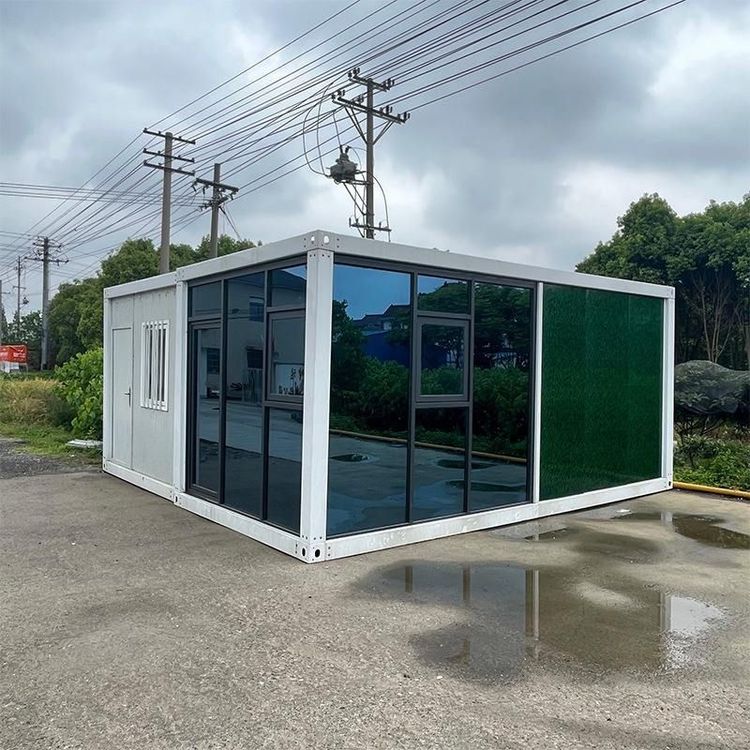
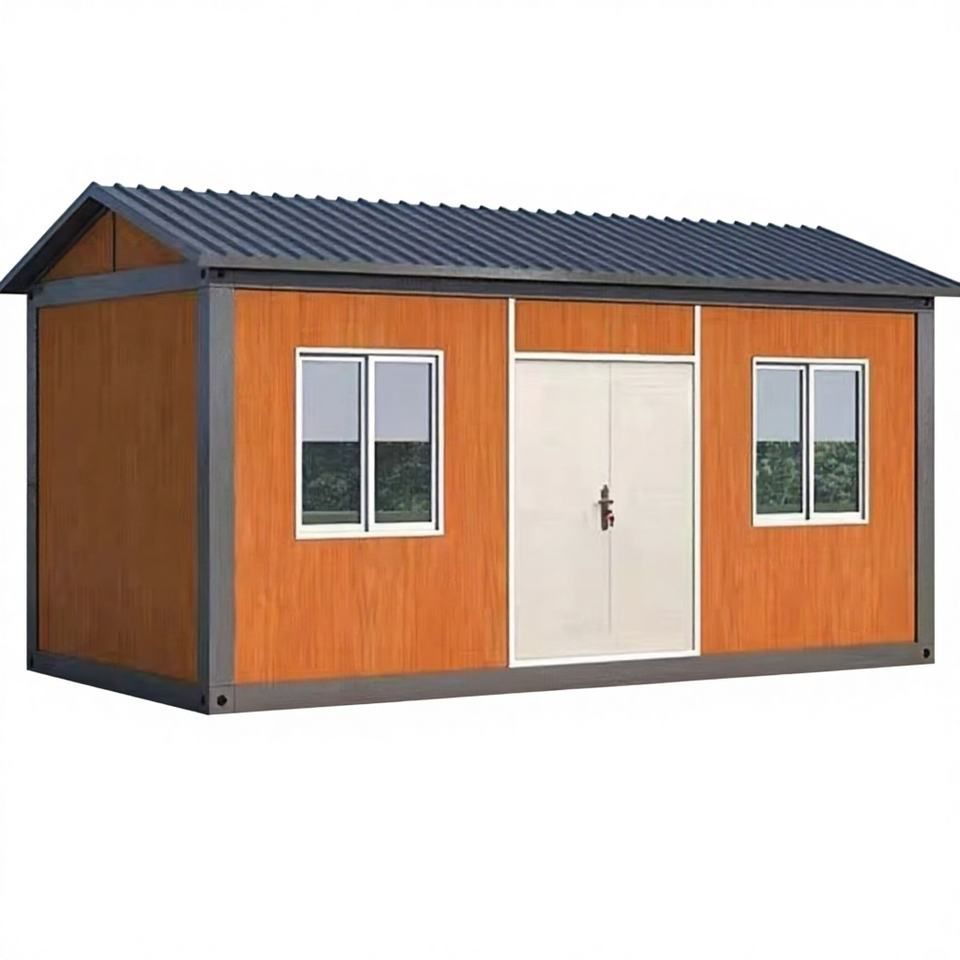
The metal exterior of container houses has high thermal conductivity, necessitating thermal insulation design to reduce heat loss. Exterior wall insulation can utilize materials such as polystyrene boards, polyurethane foam boards, and rock wool boards, which have low thermal conductivity and effectively block heat transfer. For example, using a polyurethane foam layer of over 50mm can block heat conduction, combined with an outer layer of anti-corrosion color-coated steel plate to reflect sunlight and an inner layer of fire-resistant gypsum board + moisture-proof film for coordinated humidity and temperature control, forming a three-layer key structure that significantly enhances thermal insulation performance. In terms of window and door design, double or triple-glazed windows should be selected, and sealing strips should be installed at the edges to reduce heat leakage. Additionally, attention to detail is crucial, such as the splicing of insulation materials, connection points, and the junction between the insulation layer and the container structure, which require the use of sealing materials and professional construction methods to ensure airtightness and structural stability.
Adopting Efficient Temperature Control Equipment
On the basis of thermal insulation, adding temperature control equipment can further enhance indoor comfort. Air conditioners are a common choice, but attention should be paid to energy consumption. Entrance air curtains can reduce heat loss when doors are opened, suitable for scenarios with frequent entry and exit. Graphene floor heating is an efficient and energy-saving heating method that distributes heat evenly throughout the room through radiant heating from the floor, providing a more comfortable body feel. Furthermore, air-source heat pumps are also an environmentally friendly and efficient heating solution, particularly suitable for combination with solar energy to form a "solar heating + air-source heat pump" system, further reducing energy consumption.
Utilizing Clean Energy for Heating
With technological advancements, the application of clean energy in heating container houses is becoming increasingly widespread. Solar water heaters can provide hot water to meet domestic water needs while reducing reliance on traditional energy sources. New photovoltaic-thermal panels can simultaneously generate electricity and heat, providing independent energy supply for container houses, reducing electricity costs and environmental burdens. Additionally, upgrading the floor heating system, such as replacing traditional radiators with more comfortable floor heating, can also significantly enhance the stability of indoor temperature and reduce temperature fluctuations.