
Hazards of Prefabricated Houses
The hazards of prefabricated houses mainly include poor earthquake resistance, low service life, wall cracks and water leakage, poor thermal insulation, poor sound insulation, difficulty in adjusting the internal structure, fragile connection points, and extensive use of substandard materials.
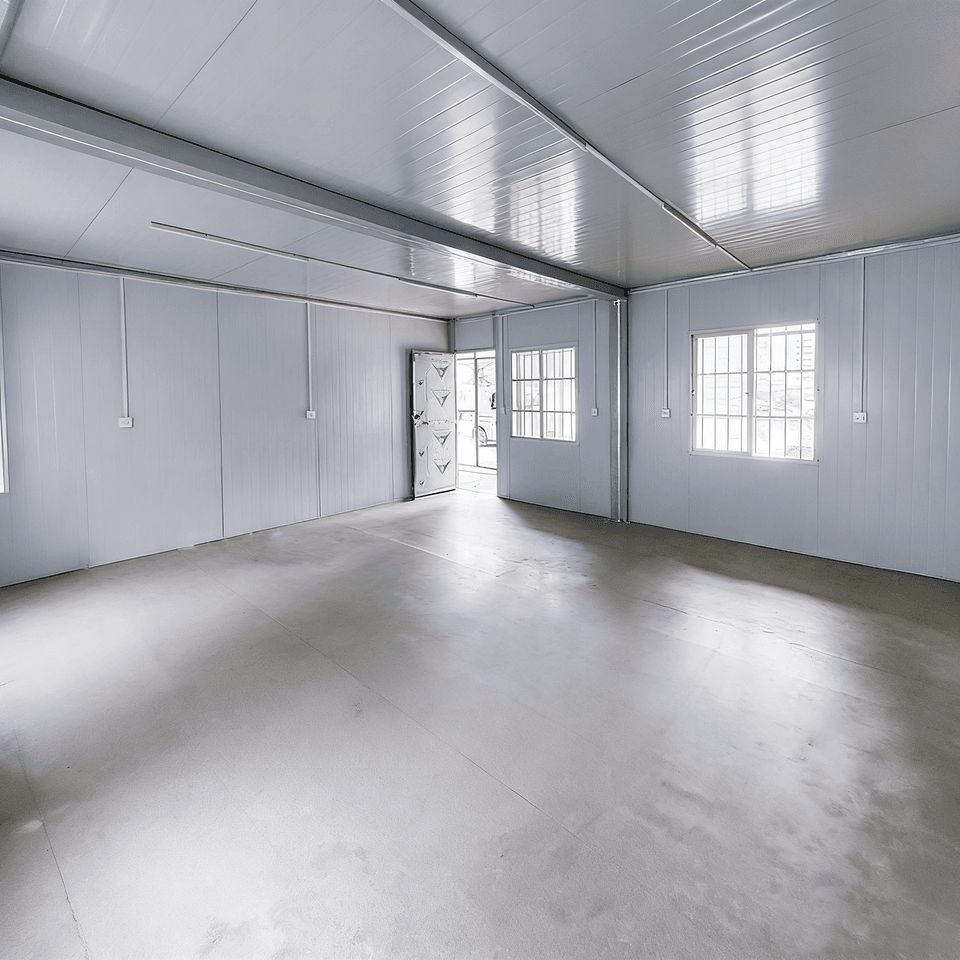
Poor Earthquake Resistance: Prefabricated houses are assembled from prefabricated panels, resulting in poor overall integrity, lack of firmness and toughness, and are not as stable as monolithic cast structures. Even slight vibrations can loosen the joints between floor panels, making them highly susceptible to collapse during earthquakes, with severe collapse situations and high casualty rates.
Low Service Life: The designed service life of prefabricated houses is approximately 30 to 50 years. Many were constructed between the 1970s and 1990s and are now approaching or exceeding their intended service life, showing signs of aging. Problems such as wall cracks and ceiling water leakage have increased, with many being classified as 'dangerous buildings' that are difficult and costly to repair.
Wall Cracks and Water Leakage: Cement components in prefabricated houses are prone to cracking, and the gaps between components increase, raising the risk of water leakage between floors. During rainy days, heavy rain outside can lead to light rain inside, with common issues such as mottled walls, deformed floors, and leaking windows.
Poor Thermal Insulation: The thermal insulation performance of prefabricated panel buildings is poor, making them hot in summer and cold in winter. During extreme weather, the walls seem as thin as paper, with cold air seeping in through gaps in the walls and around doors and windows in winter, and intense heat indoors when outdoor temperatures soar in summer.
Poor Sound Insulation: The sound insulation effect of prefabricated houses is not ideal, allowing residents to clearly hear their neighbors' voices, which affects the quality of life.
Difficulty in Adjusting Internal Structure: Unlike modern commercial housing, prefabricated houses allow almost no large-scale modifications. Every wall may be related to the overall structure, making it difficult for residents to customize their living space according to personal needs.
Fragile Connection Points: The connection between prefabricated panels and walls is simple, with only simple filling between panels and no ring beams or structural columns, resulting in a house without a rigid framework. When the foundation settles or walls crack, the panels can become misaligned and loose. Over time, the connections weather and the steel reinforcements rust, reducing strength.
Extensive Use of Substandard Materials: The materials used in prefabricated houses are brittle and prone to fracture. Regular prefabricated panels have thin steel reinforcements, but small workshops, seeking higher profits, use thin steel wires instead. The concrete grade is often substandard, and the thickness is insufficient, appearing as cement panels but actually cracking easily upon impact and breaking instantly when overloaded, without any warning.



