
Harbin Mobile House Container
Harbin mobile house containers, centered around modular design, feature adaptability to cold regions, high functional integration, and a wide range of application scenarios, making them an important solution for temporary buildings and distinctive spaces in Northeast China.
1. Structure and Materials: Technical Adaptation for Cold Environments
As a representative city in cold regions, Harbin's mobile house containers employ high-strength steel and standardized welding processes in their structure. The thickness of the container body and the strength of the welds are optimized for frequent freeze-thaw cycles. For example, products from Heilongjiang Huamao Equipment Manufacturing Co., Ltd. effectively reduce winter heating energy consumption by increasing the thickness of insulation rock wool and optimizing ventilation structures, while also incorporating wind and snow-resistant designs to ensure the container body remains undeformed in extreme weather. Additionally, some companies, such as Harbin Zhengbin Steel Structure Engineering Co., Ltd., use 10cm-thick integrated insulation panels, reinforced channel steel purlins, and iron plate bases in their container-insulated garages, achieving indoor insulation effects at temperatures as low as minus 30 degrees Celsius. The exterior walls are coated with high-weather-resistant fluorocarbon paint to extend service life.
2. Functional Integration: From Basic Shelter to Smart Upgrades
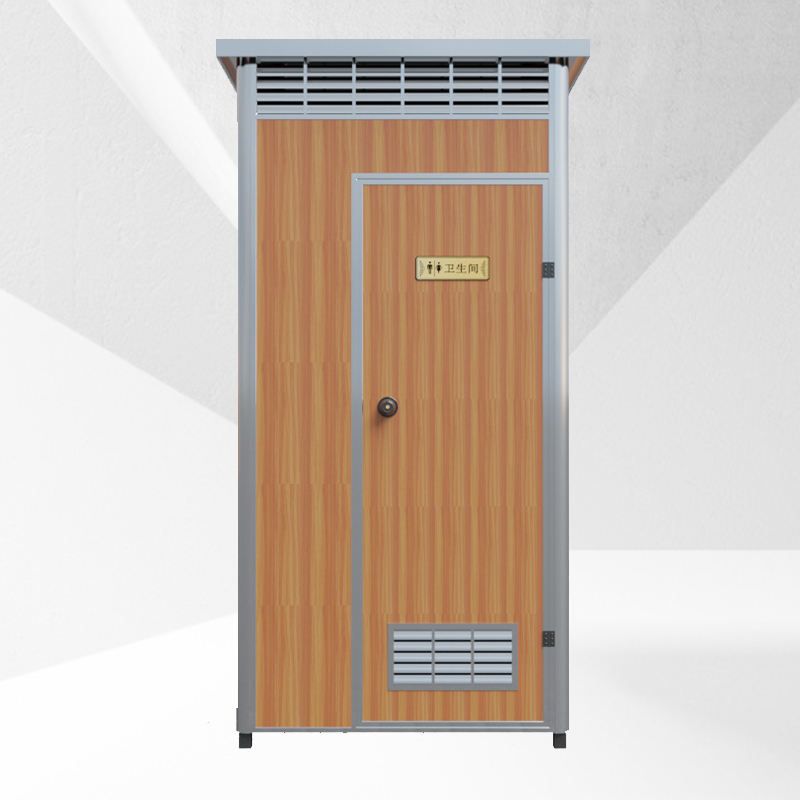
The functional design of Harbin mobile house containers has shifted from simple shelter to standardized, recyclable industrial products. For instance, the internal water and electricity wiring of construction site containers is modularly pre-installed before leaving the factory, reducing on-site installation time and safety risks. Some products integrate facilities such as air conditioning, restrooms, and kitchens, supporting rapid deployment and flexible relocation. Technologically, the concept of green prefabrication is widely applied, such as upgrading wall insulation materials and optimizing ventilation structures to reduce energy consumption loads. Furthermore, some companies offer in-depth customization services, transforming standard containers into composite spaces for offices, meetings, and experimental testing to meet different scenario needs.
3. Application Scenarios: Covering Engineering Temporary Buildings and Cultural Tourism Innovations
In the engineering field, mobile house containers are widely used in scenarios such as construction site dormitories, temporary offices, and command centers. Their recyclable nature avoids the resource waste associated with the demolition of traditional brick-and-mortar temporary buildings. For example, the 'Power Station' created by State Grid Harbin Electric Power Supply Company uses mobile containers as carriers, integrating functions such as free charging, rest and warming, and medical assistance, becoming a new form of urban public service. In the cultural tourism field, containers are aesthetically treated and integrated with the environment, such as through Baroque-style designs and interactive Chinese map wall installations, expanding their potential applications in rural revitalization and scenic spot support facilities.
4. Service Model: Flexible Combination of Leasing and Customization
Local companies in Harbin, such as Huamao Equipment and Zhengbin Steel Structure, combine production and sales with leasing and customization systems, offering a combination of short- and long-term leases and full-cycle management services. For example, construction companies can flexibly adjust the scale of temporary buildings according to project progress, avoiding capital turnover pressures. Users can choose from basic, standard, or upgraded products to meet temporary or long-term home use needs.



